Today, we’re finally uncovering a topic I’ve been meaning to explore (and write about) for nearly a month but life had other plans. Between museum research projects and a few too many dusty manuscripts, I had to take a little detour from this corner of the internet. But now that the archaeologist is back at her desk, it’s time to dig in, quite literally, to something ancient and fascinating.
We’re traveling back to Ancient India (Indus Valley), where hair care wasn’t just vanity, but a sacred ritual. Think long, lustrous, naturally radiant hair without the modern chaos of serums, sprays, and endless products. Just pure herbs, patience, and the quiet science of Ayurveda. Okay, I’d gladly accept that offer and I know you also do.
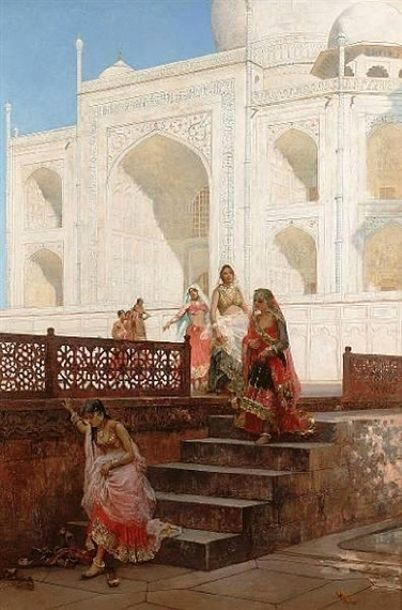
How Ancient Indian women had glorious long hair? How did they care for their hair? What they were using for quicker hair growth and shiny hair that they became well-known around the world when it comes to hair health and beautiful hair? And how Indian ladies can still keep that secret for themselves, having amazing hair?
The Hair Secret of Ancient Indian Women: Ayurvedic Hair Care
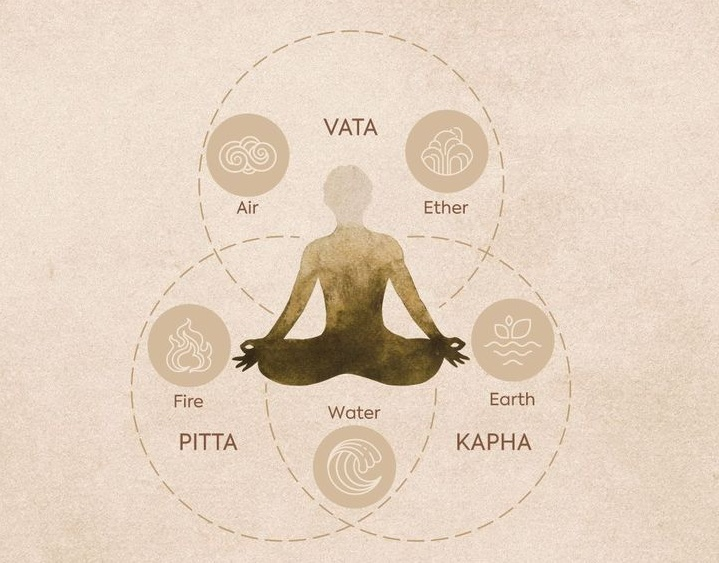
Ayurveda, often called “the science of life”, is one of the world’s oldest healing systems, born in India more than 5,000 years ago. It teaches that beauty and health are not separate pursuits, but reflections of our inner balance. In this holistic philosophy, glowing skin, strong hair, and calm energy all stem from harmony among the three doshas: Vata, Pitta, and Kapha. These are the energies that govern every aspect of body and mind.
In Sanskrit, the word “dosha” means fault, impurity, or more gently, that which can go out of balance. According to Ayurveda, every person is made up of a unique combination of three doshas which together determine our physical, emotional, and even hair-related tendencies.
- Vata is the energy of movement. Light, dry, and cool. When balanced, it brings creativity and flow, but when aggravated, it can cause dryness, frizz, and brittle hair.
- Pitta is the energy of heat and transformation. It governs digestion and metabolism, and when imbalanced, it can lead to scalp irritation, excess oil, or premature greying.
- Kapha is the energy of stability and moisture. Nurturing but sometimes heavy. Too much of it can cause greasy roots, buildup, or sluggish hair growth.
When these doshas fall out of balance, the first signs often appear on the skin and hair. Dryness, dullness, and hair fall are not just cosmetic concerns; they’re whispers from the body asking for attention. You can find more information about doshas here.
Among the countless treasures of Ayurveda are three superstar herbs that have stood the test of time: Bhringraj, Brahmi, and Ashwagandha. Each one plays a unique role in restoring vitality, encouraging growth, and bringing shine and strength back to your strands. Think of them as gentle healers that restore harmony when your doshas fall out of balance. Each one tends to a specific dosha in its own way.
The Ayurvedic Philosophy of Hair Health
In Ayurveda, yes, the hair is an adornment but it’s also a living reflection of your inner world. The strength, shine, and vitality of your hair are seen as direct mirrors of your body’s overall harmony. When your mind is calm, your digestion balanced, and your body properly nourished, your hair naturally flourishes. In other words, healthy hair begins far beneath the surface.
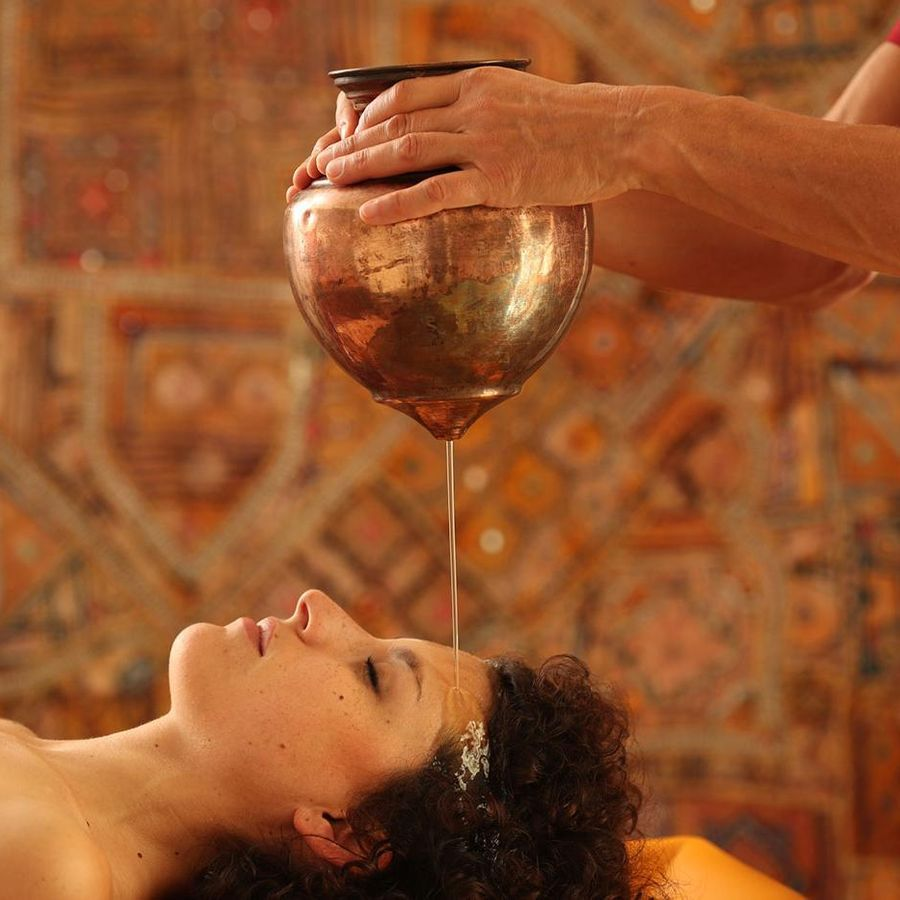
According to ancient Ayurvedic texts, the scalp holds a sacred role in the human body. It’s believed to be a powerful energy gateway, interwoven with marma points that are subtle energy centers that connect to the mind, senses, and even internal organs. When the scalp is regularly massaged and nourished with herbal oils, these energy channels are awakened, promoting circulation, relaxation, and renewal from within. This is why the ritual of Shiro Abhyanga, the traditional Ayurvedic scalp massage, has been cherished for over five millennia.If you’re interested in Ayurveda, be sure to check out this Ayurveda skincare routine designed to promote healthy, balanced skin.
In our modern world, stress, pollution, and irregular routines can easily disturb this inner harmony. Ayurveda teaches that common hair concerns from dullness and dryness to premature greying or excess oil often arise from imbalances in the three doshas:
- Vata imbalance leads to dryness, frizz, and brittle ends. A reflection of air and space elements being too dominant.
- Pitta imbalance brings excess heat to the scalp, which can trigger thinning, sensitivity, or early greying.
- Kapha imbalance causes oiliness, buildup, and a sense of heaviness in both hair and scalp.
The Three Ayurvedic Oils from Ancient India for Hair Growth
Bhringraj: “The King of Herbs” for Hair Growth
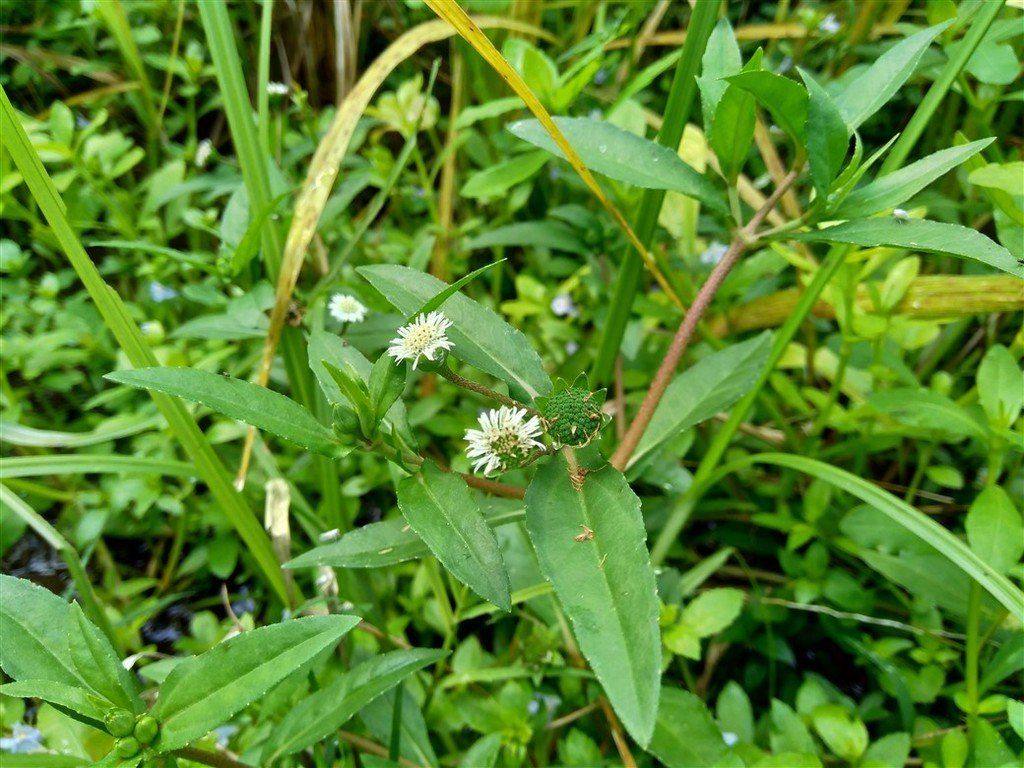
Among all Ayurvedic herbs, Bhringraj (Eclipta alba) reigns supreme as the “King of Hair.” Ancient Ayurvedic texts praise it for its deeply rejuvenating properties, describing it as a natural tonic that nourishes both the scalp and the nervous system. For centuries, it has been a cornerstone in traditional Indian hair care rituals, often infused in oils to awaken dormant follicles, strengthen the roots, and bring life back to dull, tired hair.
Bhringraj oil works by stimulating blood circulation to the scalp, encouraging new and healthy hair growth. Its cooling nature helps prevent premature greying and reduce scalp heat, which are common signs of Pitta imbalance. The herb also helps strengthen roots, minimizing hair breakage and thinning over time. With consistent use, Bhringraj imparts a natural shine and fullness, giving the hair a more voluminous, lustrous appearance.
To harness its full potential, warm a few tablespoons of Bhringraj oil between your palms and gently massage it into your scalp using circular motions for about 10–15 minutes. Allow the oil to sit overnight, or at least for an hour before washing. The rhythmic motion of this massage enhances absorption, improves circulation, and deeply relaxes the mind.
Ideal for: Those with Pitta-dominant hair types. If your scalp tends to feel hot, irritated, or prone to premature greying, Bhringraj is your cooling elixir. It helps restore balance, calm inflammation, and encourage thicker, healthier hair growth from root to tip.
Brahmi: The Calming Herb for Stress-Related Hair Problems
If Bhringraj nourishes the scalp, then Brahmi (Bacopa monnieri) nourishes the soul. Celebrated in Ayurveda for its ability to soothe the nervous system and calm the mind, Brahmi represents the profound connection between emotional wellbeing and hair vitality which is a connection ancient healers understood long before modern science began to explore stress-related hair loss.
In today’s world, where mental strain and constant stimulation are the norm, stress has become one of the biggest triggers of hair fall. This is where Brahmi steps in as a gentle yet powerful ally. It helps cool the scalp, reduce inflammation, and revitalize weakened follicles, particularly those damaged by tension and exhaustion. Its serene, cooling nature makes it one of the most beloved herbs in Ayurvedic hair care for restoring not just hair strength, but also inner calm.
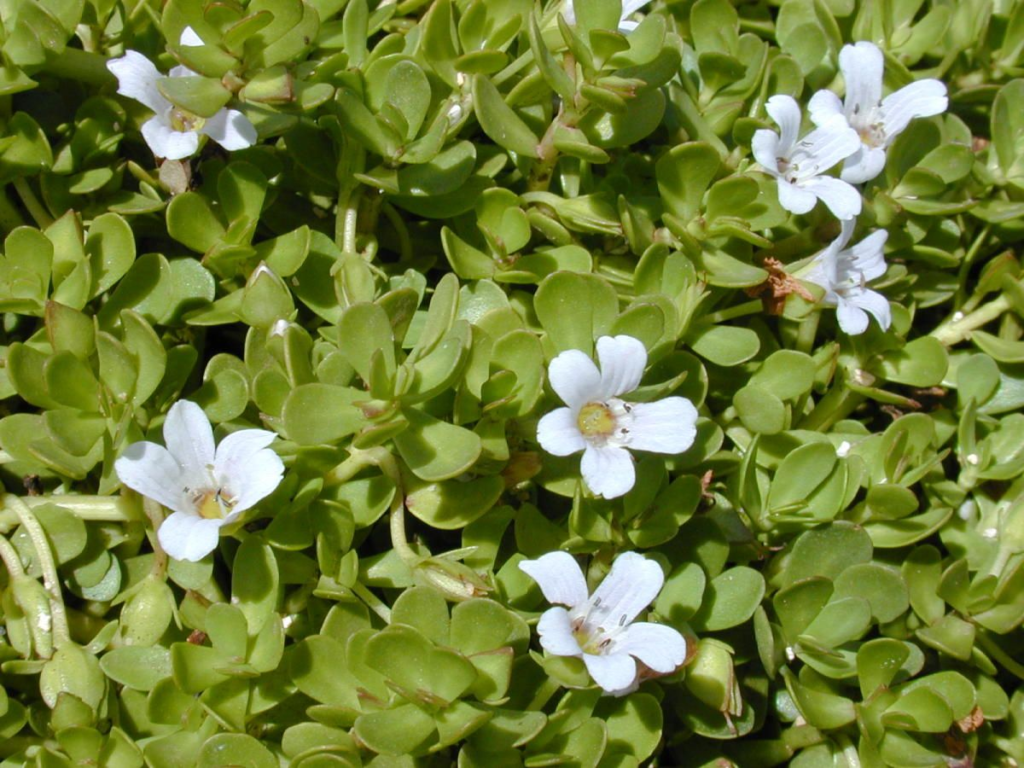
Regular use of Brahmi oil offers multiple benefits: it reduces hair fall caused by stress and fatigue, strengthens fragile strands, prevents split ends, and deeply nourishes the scalp for thicker, shinier, and more resilient hair. Beyond its physical effects, Brahmi is said to enhance mental clarity and concentration, making a head massage with this herb as therapeutic for the mind as it is rejuvenating for the hair.
There are several ways to incorporate Brahmi oil into your Ayurvedic hair care ritual. For a traditional massage, warm the oil slightly and gently apply it to your scalp before bedtime, allowing it to work overnight. For a nourishing hair mask, blend Brahmi oil with aloe vera gel or yogurt and apply it from roots to ends for about 30 minutes before rinsing. Or, if you prefer a more hands-on approach, you can make your own infused oil by soaking dried Brahmi leaves in coconut oil and letting the mixture sit under sunlight for a week.
Ideal for: Those with Vata or Pitta doshas, or anyone whose hair fall is linked to stress, anxiety, or overthinking. Brahmi helps ground the restless mind and bring tranquility back to the body, reminding us that true beauty often begins with inner balance.
Ashwagandha: The Rejuvenator for Hair Strength & Hormonal Balance
If there’s one herb that truly captures the essence of renewal and vitality, it’s Ashwagandha (Withania somnifera), revered in Ayurveda as a Rasayana, meaning “rejuvenator.” While modern wellness often praises Ashwagandha for boosting energy and immunity, its benefits extend far beyond that. In the realm of hair care, this powerful adaptogenic herb is known for balancing hormones, reducing stress, and restoring strength, all of which are vital for maintaining a healthy scalp and steady hair growth.
When the body experiences chronic stress, cortisol rises, leading to weakened follicles, thinning strands, and slower growth. Ashwagandha works by calming the adrenal system and lowering cortisol levels, helping the body adapt to stress more effectively. It also improves blood circulation to the scalp, delivering oxygen and nutrients directly to the hair roots, and revitalizes tired cells from within, supporting regeneration and resilience.
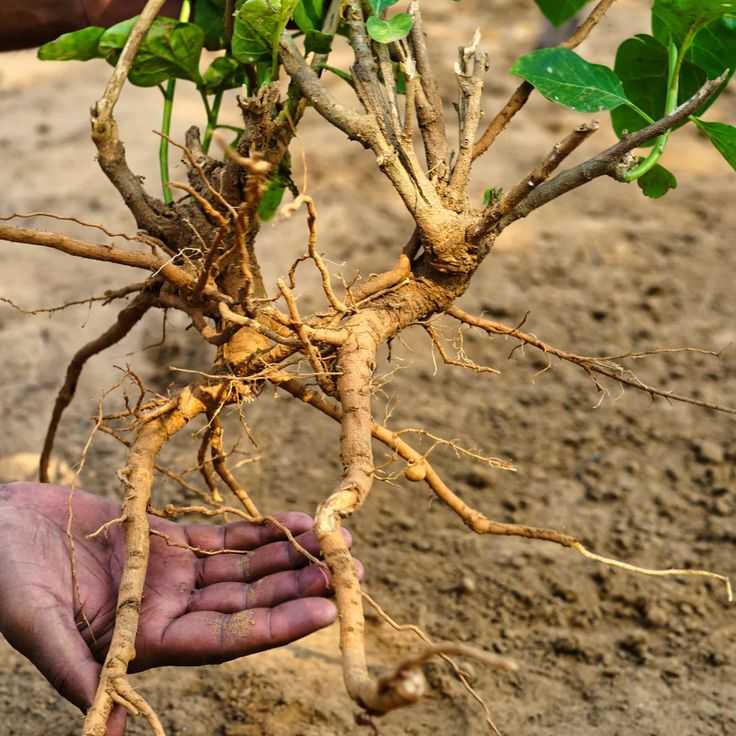
As part of an Ayurvedic hair care ritual, Ashwagandha supports every layer of hair health. It helps strengthen the hair shaft, reduce stress-induced hair fall, and preserve natural melanin, slowing down premature greying. With consistent use, it brings back the vitality and thickness that stress and fatigue often take away.
Ideal for: Those experiencing stress, hormonal imbalance, or dull, lifeless hair. Ashwagandha is especially beneficial for women dealing with postpartum shedding or stress-related hair loss, helping the body rebuild from within while bringing shine and vitality back to every strand.
How Indus Valley Women Used Ayurvedic Oils for Hair Growth
Alright, here we are. We’ve already explored the foundations of Ayurvedic hair care and the deep connection between inner balance and outer beauty. We’ve also tried to make sense of the doshas and I’ll admit, it’s not the easiest concept to grasp (I still have a few questions myself!).
Now it’s time to travel a little deeper into history and uncover how ancient Indian women cared for their hair. What they actually did to encourage growth, strength, and that unmistakable, natural shine. Through my research, here’s what I’ve discovered so far.
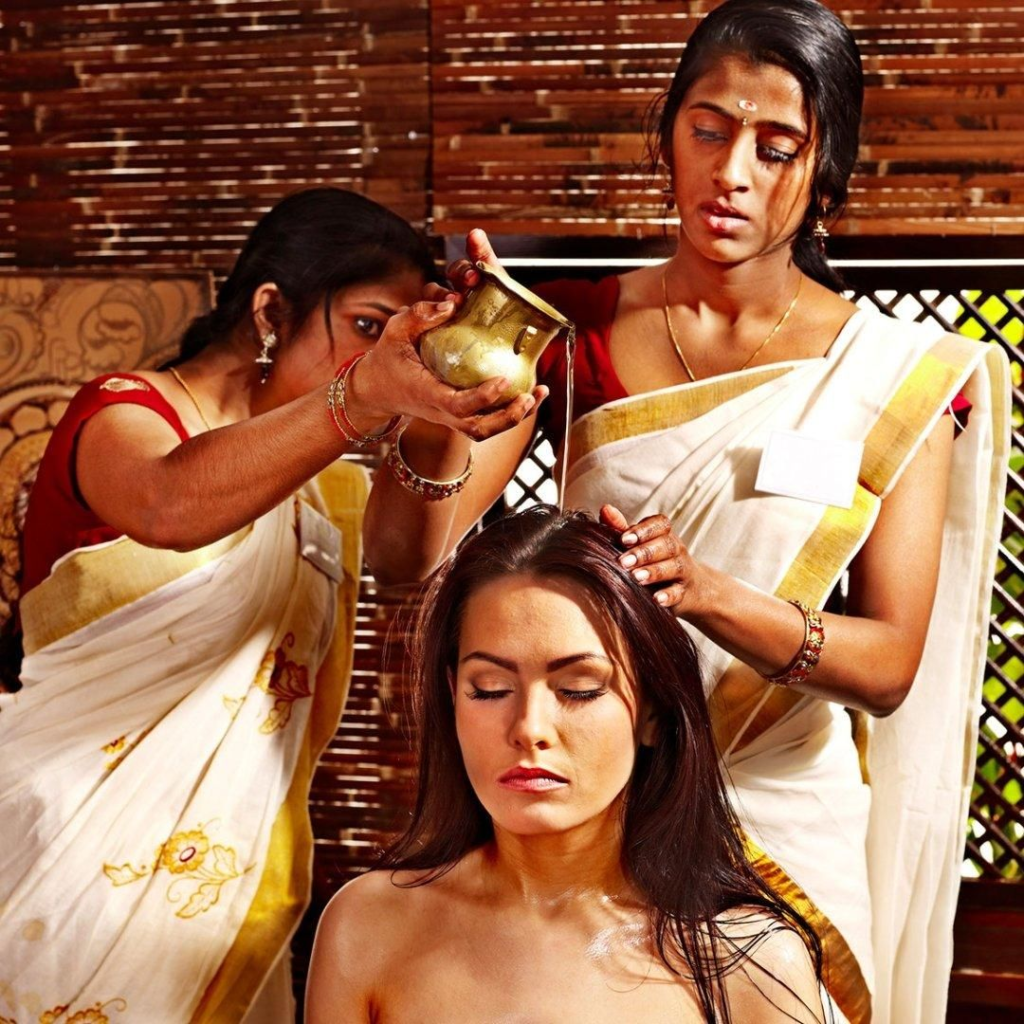
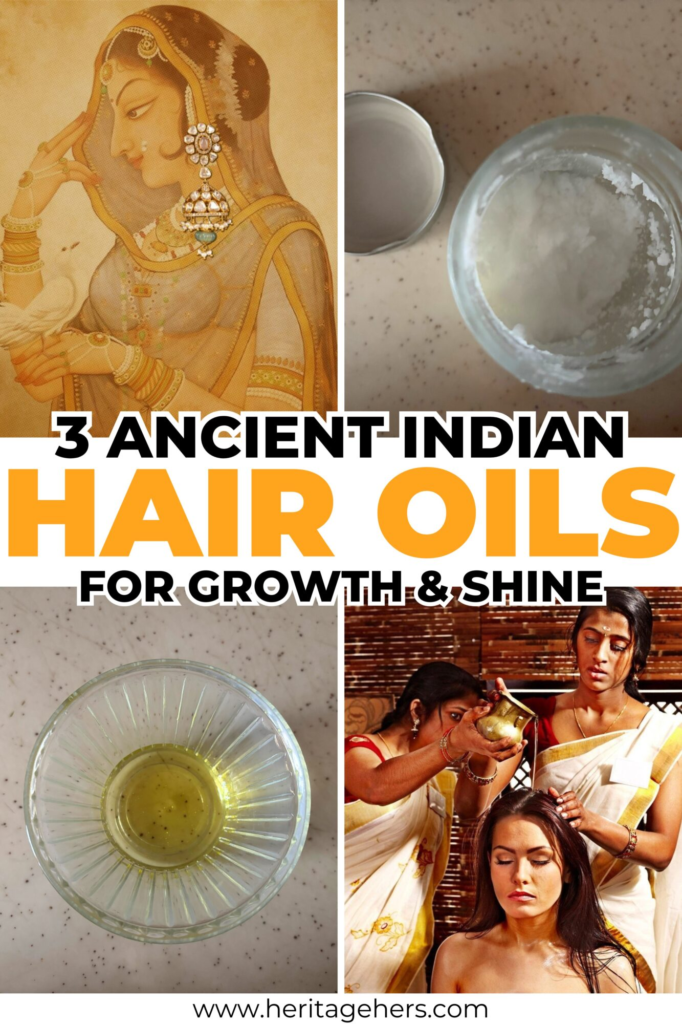
In Indus Valley women treated their hair as a living crown, something to be nourished with intention and protected from imbalance. From village courtyards to royal palaces, the art of oiling the hair, known as “Sneha”, which also means love in Sanskrit – was considered both physical nourishment and emotional care.
Young girls would often sit on woven mats while their mothers or grandmothers gently massaged warm herbal oils into their scalps. These oils were not just random mixtures. They were prepared with Bhringraj for growth, Brahmi for calm, and Ashwagandha for strength, infused slowly in sesame or coconut oil under the sun.
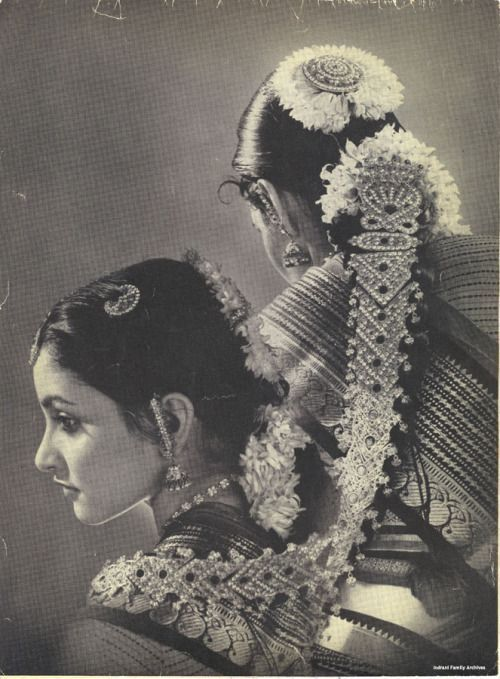
This ritual wasn’t rushed. The massage itself was performed in slow, circular motions, stimulating marmas, the energy points on the scalp, believed to enhance not just hair growth but also mental clarity and emotional grounding. Afterward, women would often braid their oiled hair loosely and let it rest overnight, washing it the next morning with natural cleansers like shikakai, amla, or reetha. The result? Hair that was clean, glossy, and deeply nourished without losing its natural oils.
For many, this became a weekly ritual often done on Fridays or during the waxing moon, when renewal and growth were symbolically strongest. The fragrance of the herbs, the warmth of the oil, and the soothing touch of the hands created a meditative experience that united body and spirit.
Even today, in rural parts of India, you can still witness this timeless ritual. Mothers oiling their daughters’ hair under the afternoon sun, passing down a legacy of care, calm, and connection.If you’d like to explore more ancient hair care traditions, be sure to check out my DIY Cleopatra herbal hair treatment recipes.
Combining the Three Oils: A Holistic Ayurvedic Hair Oil Recipe
Individually, these herbs are potent but when brought together, they form a synergistic elixir for complete hair rejuvenation. Each one plays a distinct yet harmonious role: Bhringraj strengthens the roots, Brahmi soothes the mind and scalp, and Ashwagandha revitalizes from within. Together, they embody the perfect trinity of natural scalp nourishment and balanced hair health.
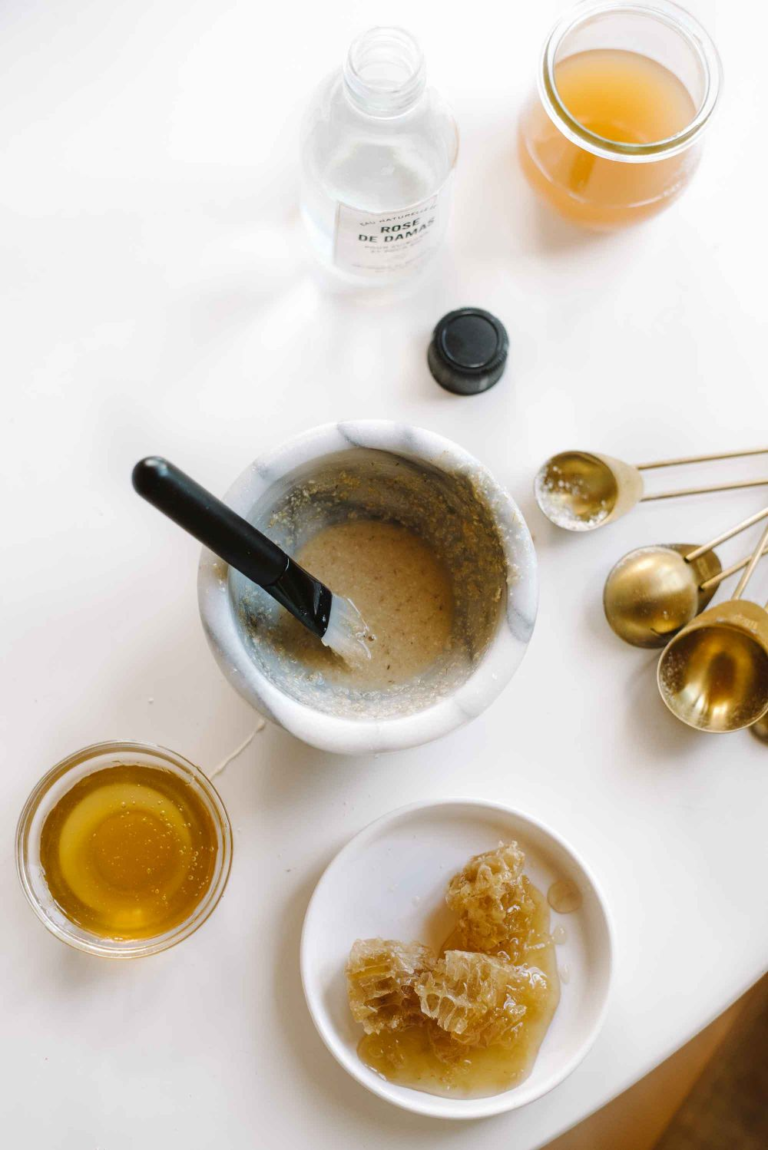
Now, let’s bring a touch of that ancient wisdom into your modern-day routine with a simple DIY Ayurvedic hair oil recipe you can create right at home:
Ingredients:
- 2 tbsp Bhringraj powder or oil
- 2 tbsp Brahmi powder or oil
- 1 tbsp Ashwagandha powder
- 1 cup Coconut or Sesame oil (base)
- Optional: a few curry leaves, 1 tsp fenugreek seeds, or 3 drops of rosemary essential oil
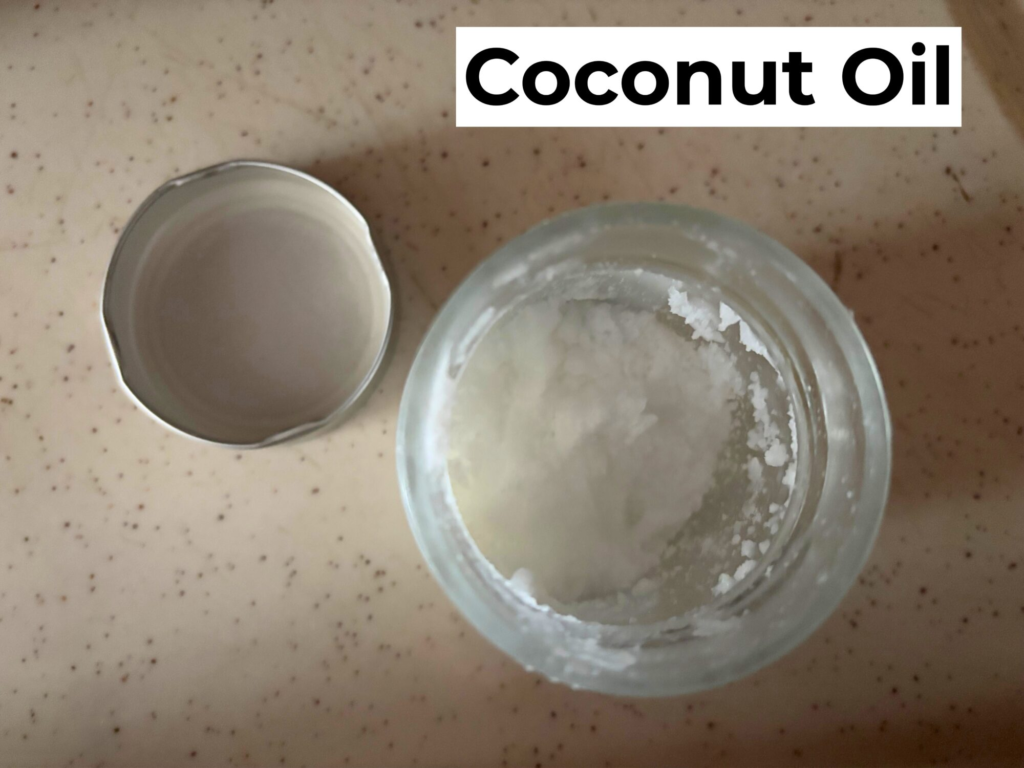
Instructions:
- Warm your base oil on low heat.
- Add the herbs (or oils) and stir for 10–15 minutes until the oil darkens slightly and releases its aroma.
- Strain into a dark glass bottle once cool.
- Store in a cool, dry place and use within 3 months.
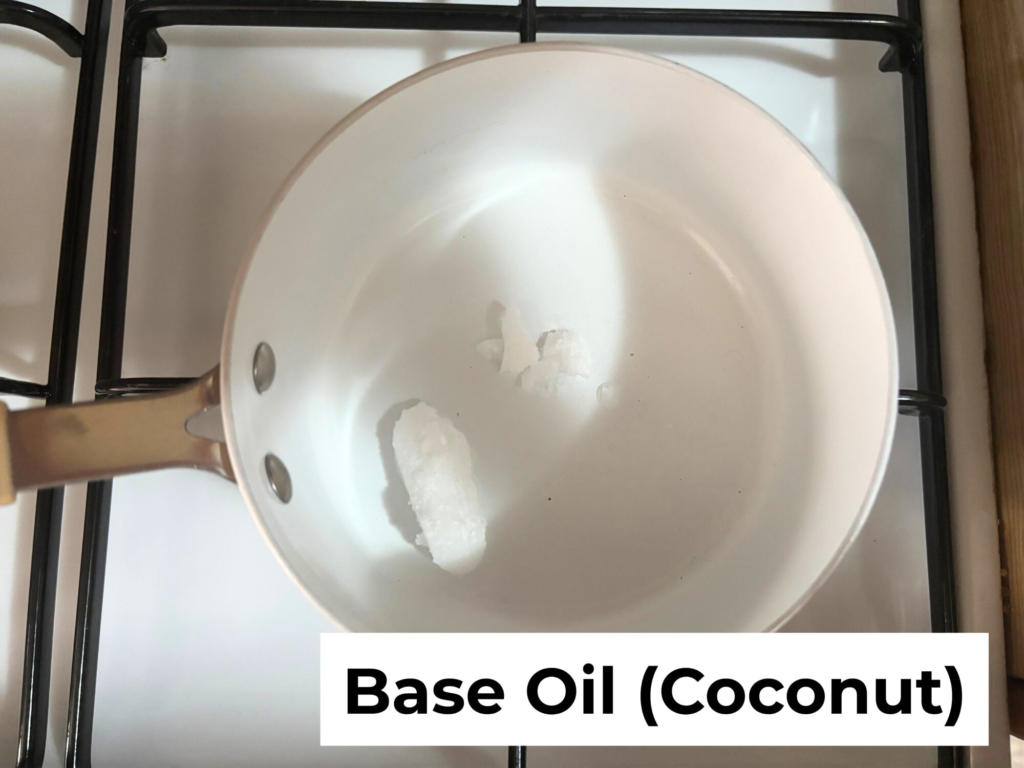
How to use:
- Apply to your scalp and massage gently in circular motions.
- Wrap your head with a warm towel for 30 minutes to aid absorption.
- Wash with a mild, herbal shampoo.
- Repeat 2–3 times a week for the best results.
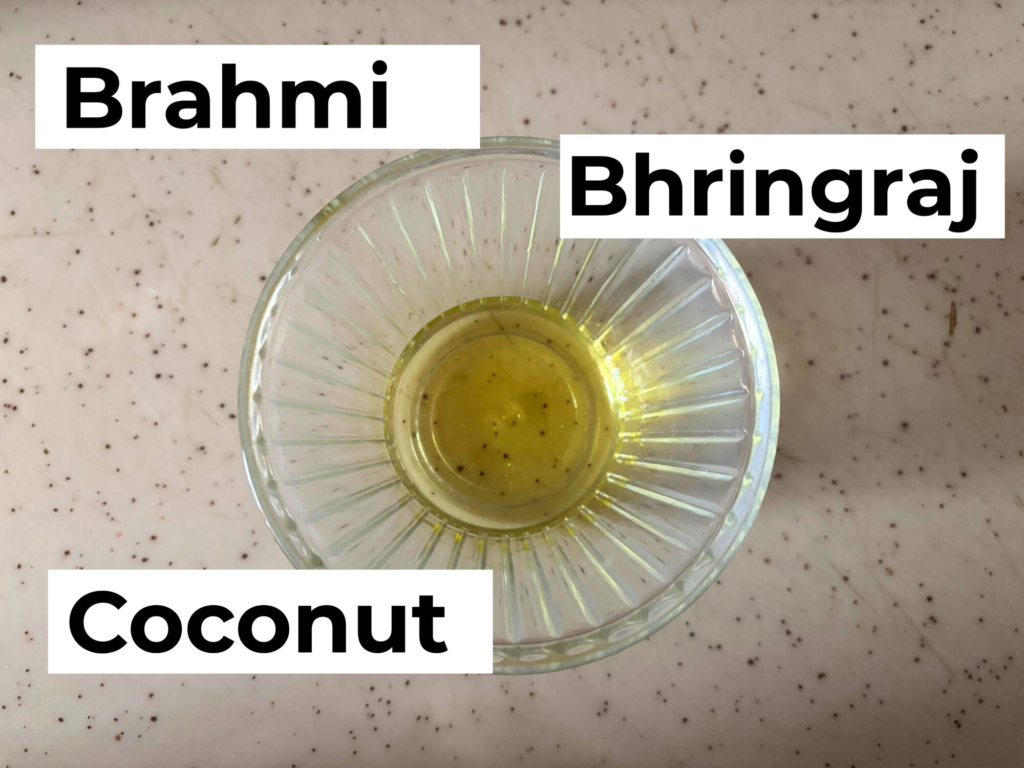
I Tried: The Ancient Indian Hair Elixir for Growth & Shine
After reading, researching, cross-checking sources, and diving way too deep into historical beauty practices (classic me), I decided to try this Ayurvedic hair-oiling ritual myself. If ancient Indian women managed to grow hair down to their hips using nothing but herbs and patience, there might be something worth experiencing firsthand. They didn’t have Olaplex, they didn’t have Kérastase but judging by their legendary hair, it certainly seems like they were guarding a little beauty secret of their own.
So I basically ran to my local botanist lady who is slowly becoming my unofficial herb-dealer-slash-friend and announced, with way too much excitement, that I needed Bhringraj, Brahmi, and Ashwagandha oils. I was ready to recreate this ancient hair elixir like I’d just unlocked a beauty cheat code.
She handed me the first two with a smile and then said,“Here is Brahmi, here is Bhringraj… but Ashwagandha? Sorry, you can’t get that here.” Cue me standing there like, “Huh? Why? Where am I supposed to find it then?”
Here’s the thing no one tells you: Ashwagandha can be used both as an oil and as a supplement (yes, similar to a vitamin), but because of its strong ”calming” effects (and you know exactly what I mean by that), it isn’t allowed in some countries… including mine. So I had no choice but to mix only the two oils and skip Ashwagandha entirely this time. If you can find Ashwagandha oil or powder where you live, online or in a local shop, absolutely go for it. But if you can’t, or simply prefer not to use it, skipping it is completely fine too. The ritual still works beautifully.
I gathered the two heroes: Bhringraj, and Brahmi. I warmed the oil blend gently, just enough for it to feel comforting on the skin, and started massaging it into my scalp. Bhringraj has this beautifully earthy scent like the kind that instantly reminds you of stepping outside right after the rain. Brahmi, on the other hand, smells like a quiet forest path at sunrise. Neither scent is overpowering; they’re gentle, grounding, and oddly comforting… especially if you’re someone who loves that fresh, “after-the-rain” aroma. I’m a huge fan.
So far, I’ve used my little herbal elixir three times, and here’s what I’ve noticed: there are fewer strands in the shower drain, my scalp feels less dry, and maybe it’s just me but my hair looks cleaner, softer, and somehow healthier. I haven’t seen any dramatic growth yet (it’s only week three), but that’s normal. I’ll definitely keep you updated as the weeks go by.
Frequently Asked Questions: Ancient Indian Hair Oils Bhringraj, Brahmi & Ashwagandha
1. How often should I apply the oil?
For best results, use your Ayurvedic oil blend 1–2 times per week. Traditional methods recommend leaving it on for at least 1 hour, but overnight works even better if your scalp tolerates it. But if your scalp (or your sleep!) doesn’t tolerate that, it’s totally fine. I personally can’t sleep with oil on my hair either, so I just leave it for 1–2 hours and it still works beautifully.
2. How can I tell if the oils are real or high-quality?
There are a lot of diluted, low-quality, or completely fake Ayurvedic oils online so being a little picky is actually a good thing. Start by checking the price. Pure Ayurvedic oils aren’t luxury products, but if the price is suspiciously cheap or dramatically expensive, it’s usually a red flag.
Next, look at the packaging. Authentic oils are almost always stored in dark, amber, or brown glass bottles to protect the herbs from light damage. Clear plastic bottles are a sign of lower quality.
The extraction method matters too: the oils should be cold-pressed and herb-infused, not fragranced or made with artificial colors. And most importantly, always check the ingredient list. The herb should appear right at the top, listed as: Bhringraj (Eclipta alba), Brahmi (Bacopa monnieri), or Ashwagandha (Withania somnifera).
Some blends include a carrier oil like coconut, sesame, or castor oil and that’s completely fine. Just make sure the herbal ingredient isn’t hiding at the bottom of the list or listed as “fragrance.”
3. Can I store my DIY oil blend?
Yes. Store your oil in a dark glass bottle, away from heat, moisture, and direct sunlight. If you’re using pure oils infused with dried herbs, your blend will typically last 3 to 6 months.
For safety, consider 3 months your ideal window. After that, give it a quick check before each use. Look for any cloudiness, changes in color, or an unusual scent. These are signs the oil may have gone bad.
4. Who shouldn’t use these oils?
While Ayurvedic hair oils are natural and generally safe, they’re not suitable for everyone.
- People with active scalp infections or wounds
- Those prone to severe allergies
- Pregnant or breastfeeding women (Ashwagandha is the problem here)
- People on certain medications like blood pressure (Ashwaganda)
If you have one or more of these conditions, always consult your doctor before using Ayurvedic oils. And always, always, do a patch test first. Even natural herbs can trigger reactions, so it’s better to be safe than sorry. That said, I’m one of those annoyingly sensitive people who react to almost everything, and these oils have been perfectly fine for me so far. Just patch test first, and you should be absolutely okay.
Final Thoughts of an Archaeologist: Ayurvedic Hair Oils from Indus Valley
Alright… I know. I know. This turned into a much longer journey than either of us expected, especially after I vanished into museum research chaos for a while. But honestly, for what I’m doing here, short simply wouldn’t cut it.
What sets me apart from influencers or TikTok creators who recommend a new miracle hair potion every week is that I can’t just… do that. It’s not in me. I’m an archaeologist. Research, evidence, context, and cross-checking are quite literally in my bones. I can’t share something unless I’ve questioned it from every possible angle first. So if you’ve made it all the way here, thank you. Truly.
Now, after digging through history, ingredients, and actual science, here’s my honest conclusion: Ayurvedic hair oils, especially when used for hair growth, scalp health, and overall hair vitality, are genuinely powerful. Much more powerful than any flashy, budget-destroying product I’ve tried (and trust me, I’ve tried more than I’d like to admit).
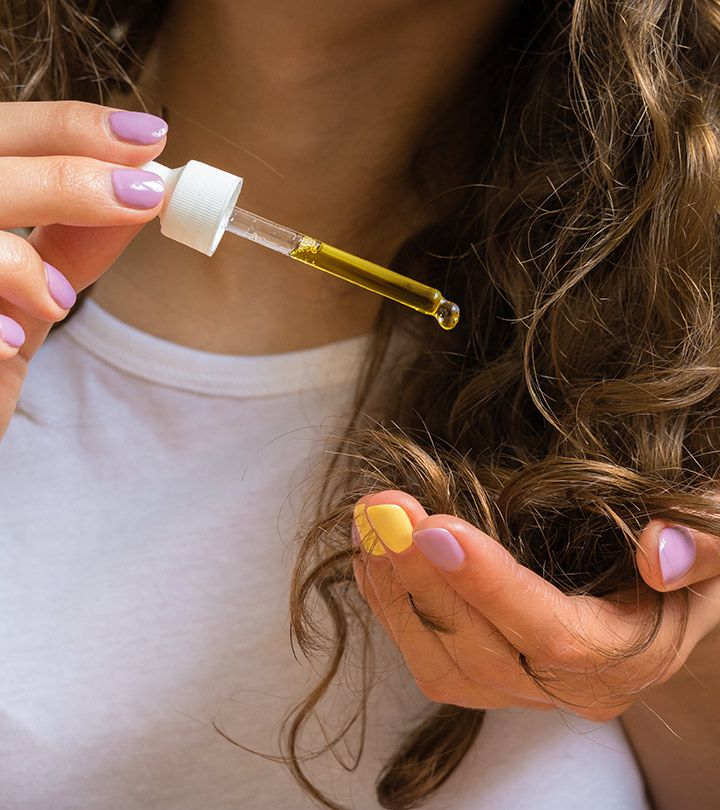
What surprised me most is how simple the real magic is. A blend of plants, a warm massage, a quiet ritual… and suddenly my hair feels softer, cleaner, and somehow more alive. I’m only a few weeks in, but I can already see and feel the difference and more importantly, my scalp feels healthier than it has in years. So yes, I’m keeping this blend. I’m choosing this ancient elixir over store-bought serums for a long while, not just for the glow but to watch the long-term growth, too. And of course, I’ll keep updating you as I go.
If you have questions, if something is unclear, or if you’re just curious, I’m always here. And if you loved this article and know someone who might love it too, feel free to share it. I’ll be grateful forever.
Take care, and I’ll see you again very soon.