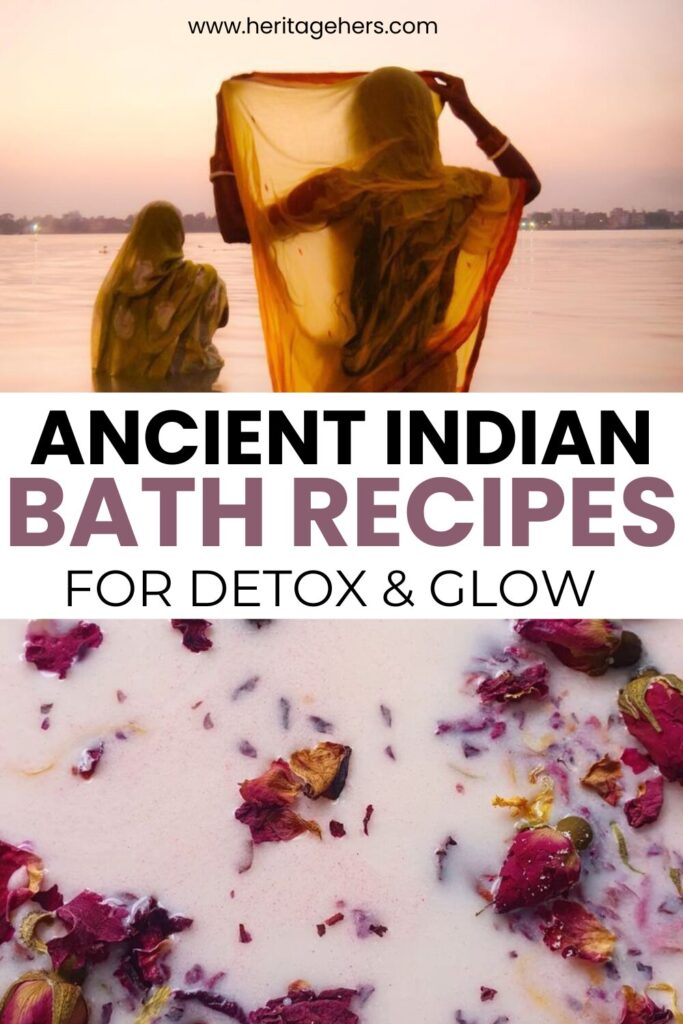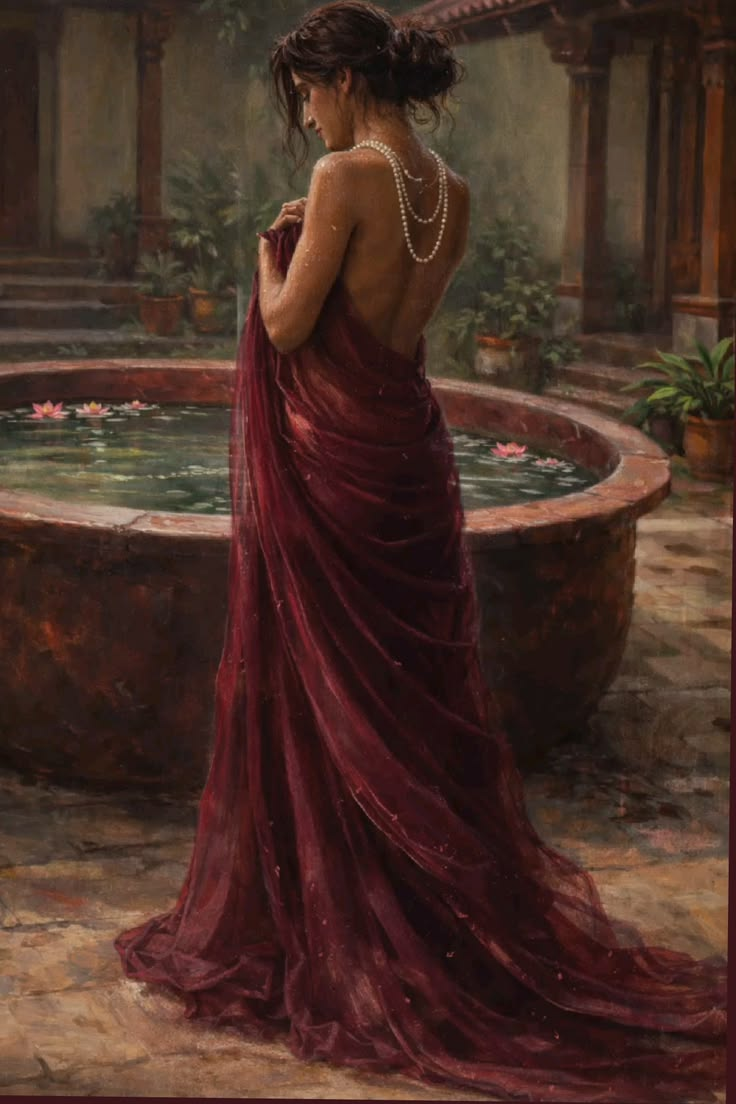
When we talk about ancient beauty or natural beauty practices, very few civilizations can hold a candle to India and I think we all feel that already. Their idea of beauty was not just about looking good on the outside. It was about purifying the soul, nurturing overall wellbeing, and even lifting your own happiness.
Today we are diving into something that has become a staple of modern self-care. Let’s be honest, it is one of those daily must-dos. In ancient India, however, bathing was so much more than just getting clean. It was a ritual for detoxing your body, calming your mind, and rejuvenating your spirit. Yes, I am talking about baths, but not just any bath. Today we will explore the ancient Indian bath rituals that cleanse, restore, and uplift you from the inside out.
The History of Ancient Indian Bathing Rituals
Bathing has been a cornerstone of Indian culture for thousands of years, long before modern soaps or synthetic skincare even existed. Archaeological finds, sacred texts, and Ayurvedic writings show that ancient Indian civilizations saw bathing as more than just a way to stay clean. It was a ritual for health, spiritual purity, and even enhancing natural beauty.
Ritual bathing in India goes all the way back to the Indus Valley Civilization, around 3300 to 1300 BCE. Archaeologists digging in cities like Harappa and Mohenjo-daro found really impressive bath structures, from private baths to big communal pools. It is clear that daily cleansing and water rituals were more than just routine. They were a big part of life, showing how much people cared about both physical cleanliness and their spiritual wellbeing.

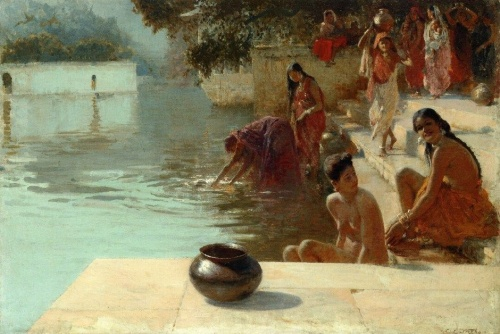
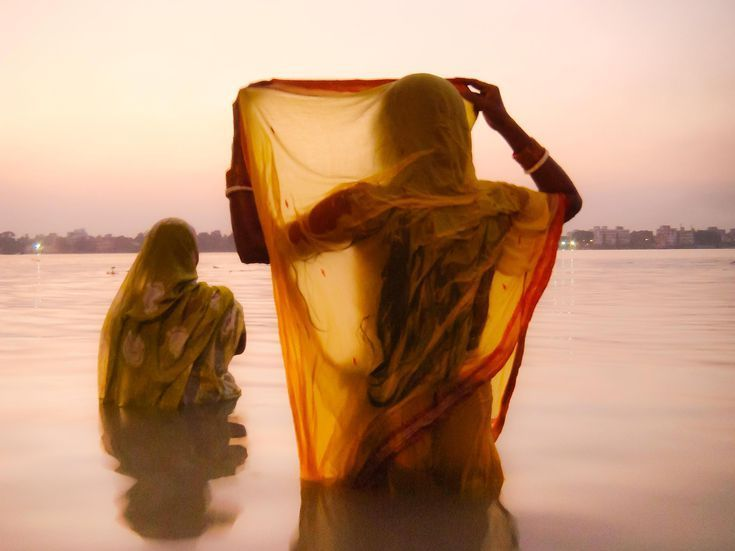
In Vedic and later Hindu traditions, water itself was seen as sacred and purifying. Bathing in rivers, especially the Ganges, was believed to wash away physical impurities as well as karmic and spiritual burdens. Over time, this spiritual approach merged with natural skincare, giving rise to herbal and floral baths that enhanced beauty while respecting the body and spirit.
If you visit India, you can still see the traces of these ancient beliefs, especially in the way the River Ganges holds a sacred place in people’s lives. Many people bathe in it regularly for good luck, health, or as an act of devotion.
The development of bathing rituals in India is closely tied to Ayurveda, the country’s traditional system of medicine. Ancient texts like the Charaka Samhita and Sushruta Samhita describe how herbal pastes, oils, and infusions were used for cleansing, detoxifying and rejuvenating the skin. Ingredients such as turmeric, sandalwood, neem, vetiver, and milk were carefully selected for their healing properties and used in ritual baths to boost health, glow, and overall vitality.
Alright, enough history for now. Let’s get to the good stuff. Here are some of the most famous ancient Indian bathing rituals and recipes that you can actually try at home.
Ubtan: The Ancient Herbal Paste Bath for Skin Glow
While writing about ancient Indian beauty traditions, there is one word I find myself mentioning almost every day. Ubtan. If you have been following Heritage Hers for a while, chances are you have heard it before. And yes, it even comes with its own bathing ritual and recipe.
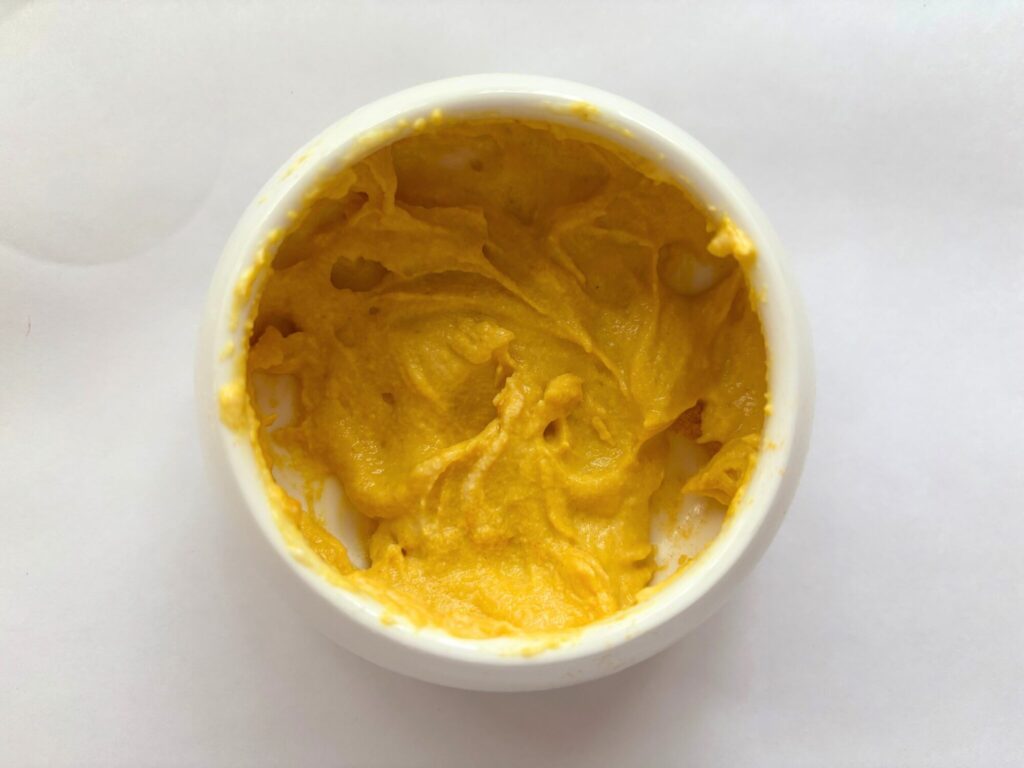
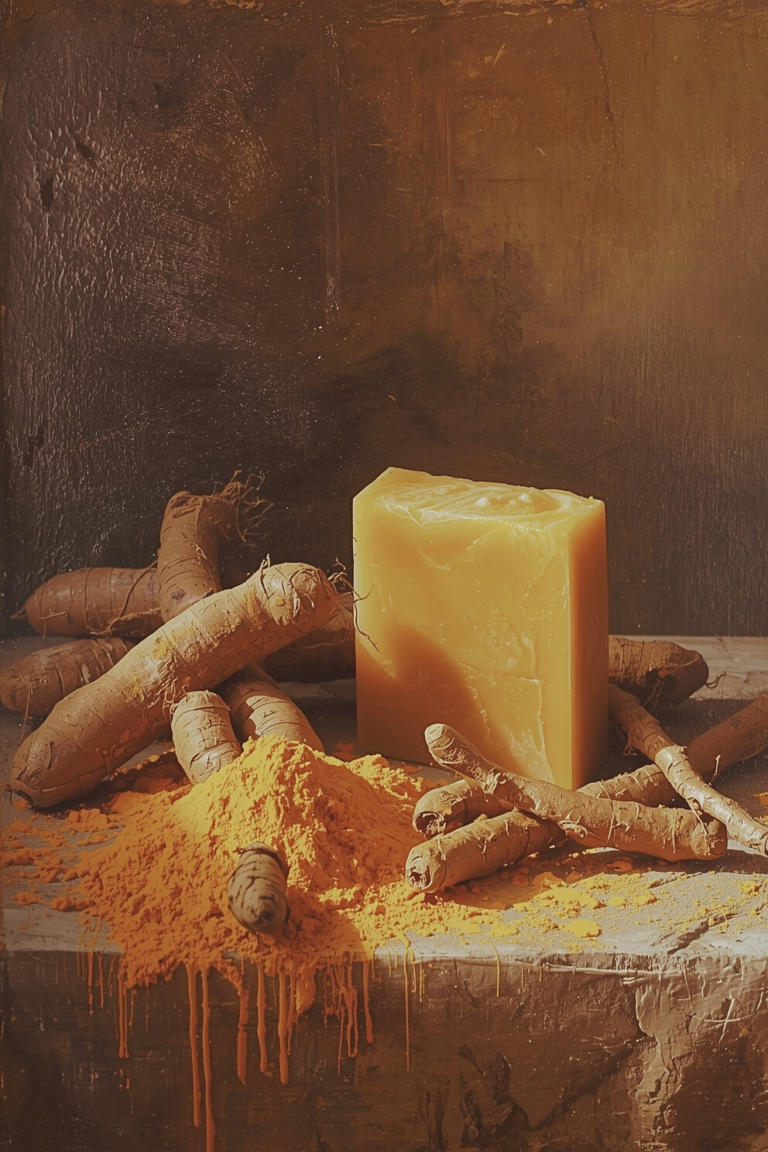
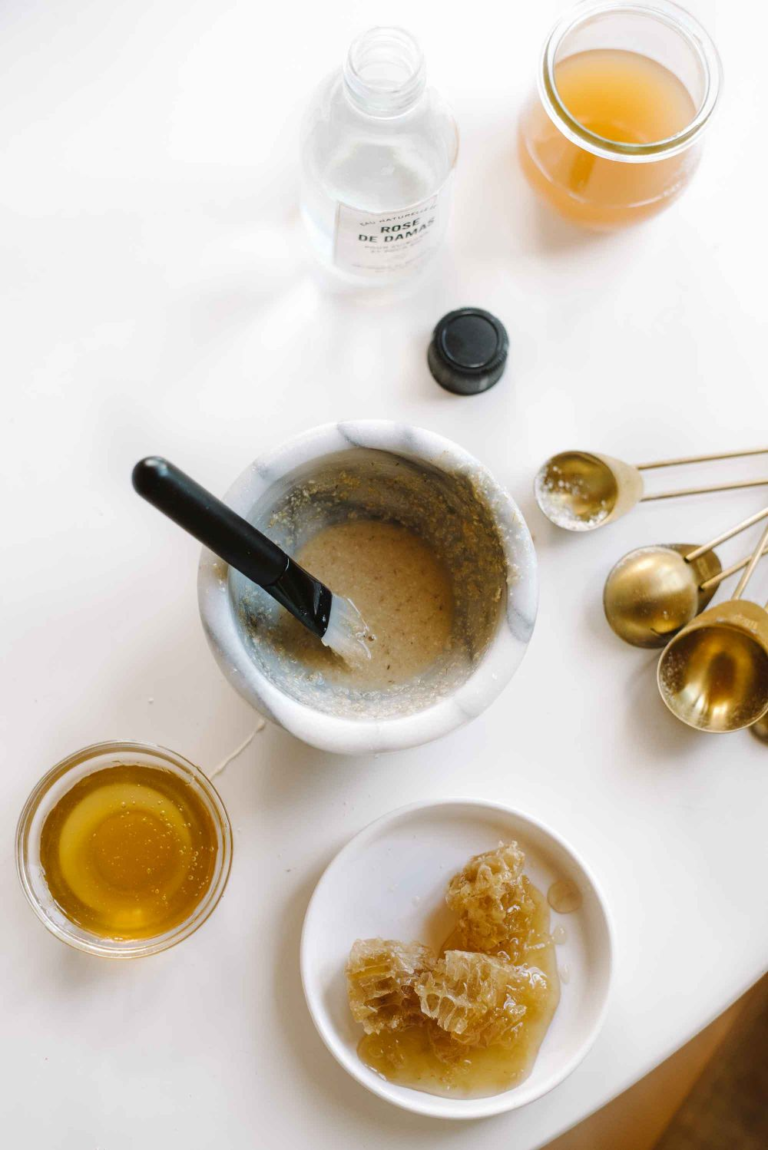
Ubtan is usually made with chickpea flour mixed with aromatic powders like turmeric and sandalwood. To make it a smooth paste for the skin, milk, yogurt, or rose water is often added. Some variations also include saffron or almond powder or oil for an extra boost of nourishment. Here, you can find my Ubtan recipe and learn more about how to use it.
An Ubtan bath is especially great for gently exfoliating dead skin cells without harsh chemicals. The turmeric in it helps brighten the skin and gives you a natural, healthy glow.
Benefits
- Exfoliates dead skin cells without harsh chemicals
- Brightens the skin and promotes a natural glow
- Improves circulation when massaged gently onto the body
- Softens the skin while removing excess oil
Sandalwood Bath: Cooling, Soothing, and Radiance-Enhancing
Sandalwood paste for skin is another cornerstone of traditional Indian skincare. Known as chandan, sandalwood has been prized for its cooling and soothing properties, as well as its subtle, relaxing fragrance. It was historically used in both daily beauty routines and ceremonial preparations, often in combination with other natural powders.
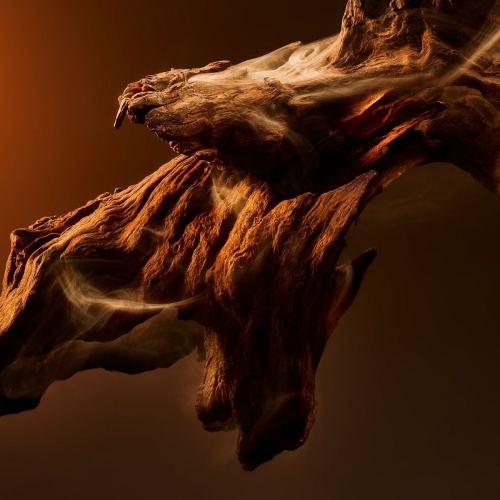
Sandalwood was frequently blended with chickpea flour, rose water, or milk, forming a paste applied before bathing. This ritual cleansed the skin and also allowed the fragrant properties of sandalwood to promote spiritual and mental clarity. Here’s a tip: sandalwood is considered one of those rare plants that can really promote spiritual clarity. In ancient times, it was often used for its healing properties.
Benefits
- Soothes irritated or inflamed skin
- Reduces redness and discomfort caused by heat or sun exposure
- Brightens complexion, leaving skin radiant
- Helps prevent minor skin issues, including acne
- Adds a calming aroma to bathing rituals, enhancing mental relaxation
Neem and Tulsi Baths: Purification and Skin Health
Neem and Tulsi, or holy basil, were also well known in ancient India for their purifying properties. One of their biggest benefits was helping to reduce acne and body scars. They were often included in various traditional recipes to improve the skin and heal blemishes.
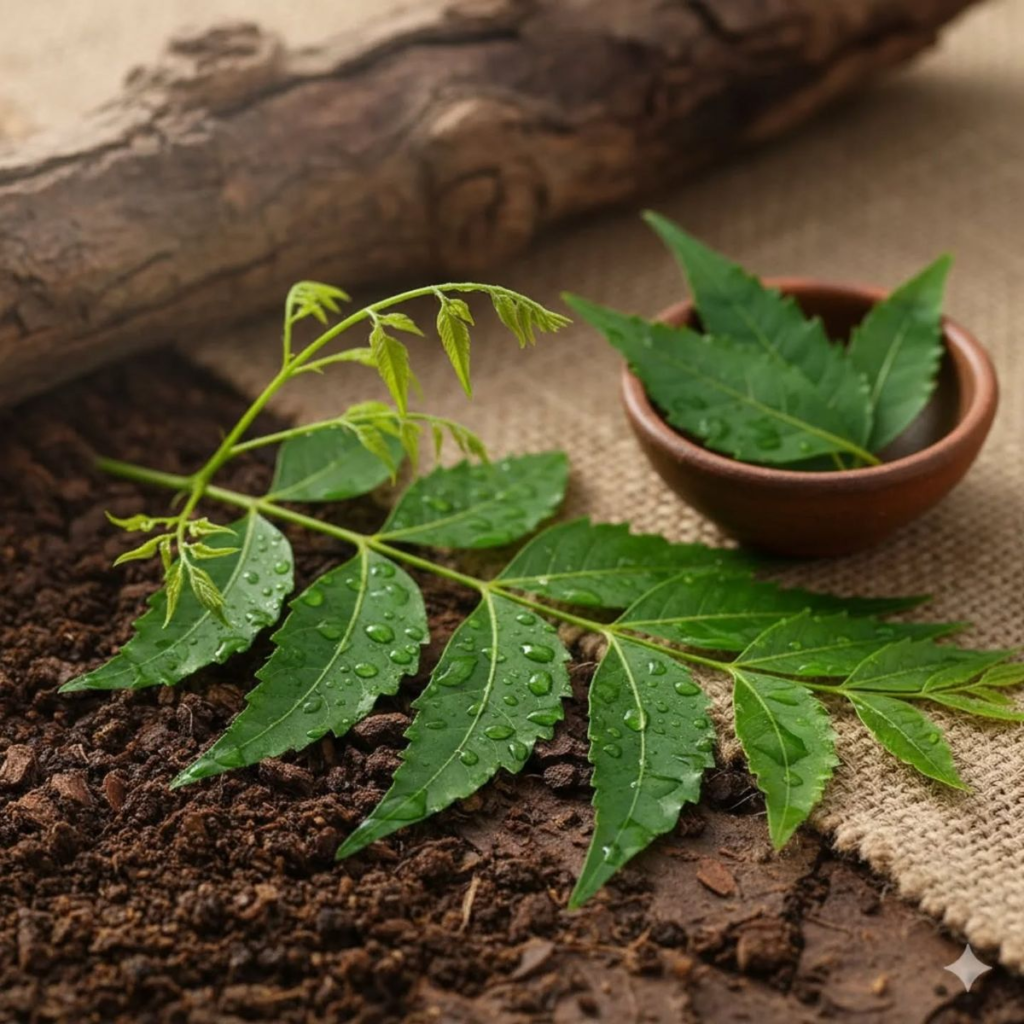
Dried neem leaves and tulsi were boiled in water to make a herbal infusion, which was then added to the bathing water. This ritual was an important part of Ayurvedic baths, designed to detoxify the body and promote healthier skin.
Neem and Tulsi baths were especially popular in hot climates, where skin irritation and bacterial growth were more common. Even today, these plants are highly recommended for acne-prone skin or anyone looking for a deep, natural cleanse.
Benefits
- Detoxifies and cleanses the skin
- Fights bacterial and fungal infections
- Soothes irritated or inflamed skin
- Balances oil production in the skin
- Enhances overall skin health
Milk and Flower Baths: Nourishment and Aromatic Luxury
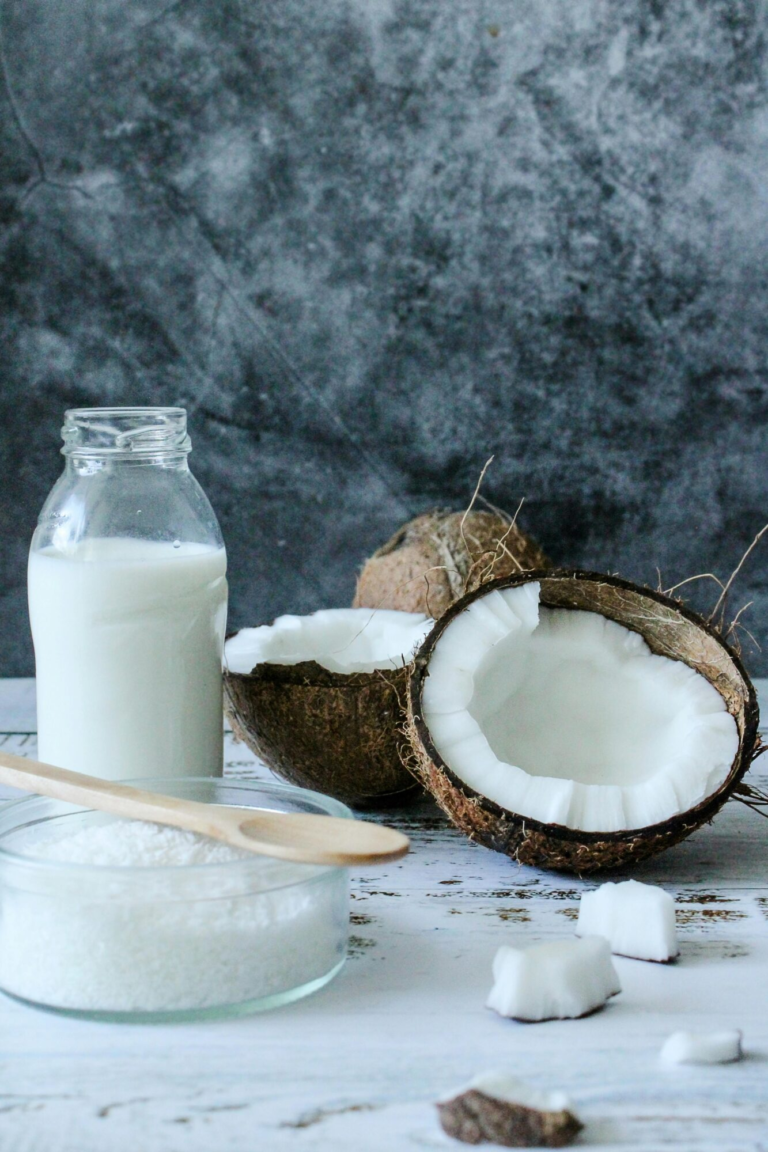
Here comes my favorite one, and I have to say, it’s also the easiest to try at home. Milk and flower baths were considered a luxury in many ancient civilizations, and the most famous example is, of course, Cleopatra’s milk bath. If you are curious about her signature recipe, you can read it here.
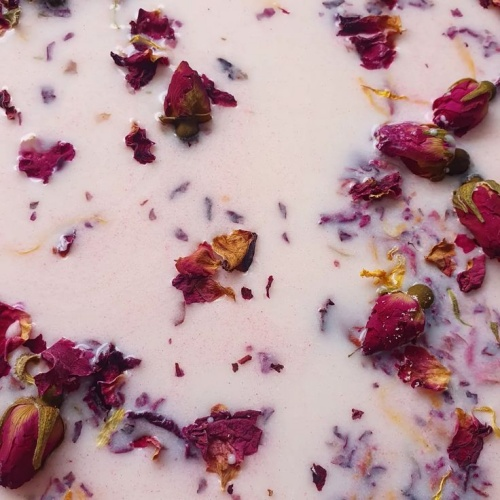
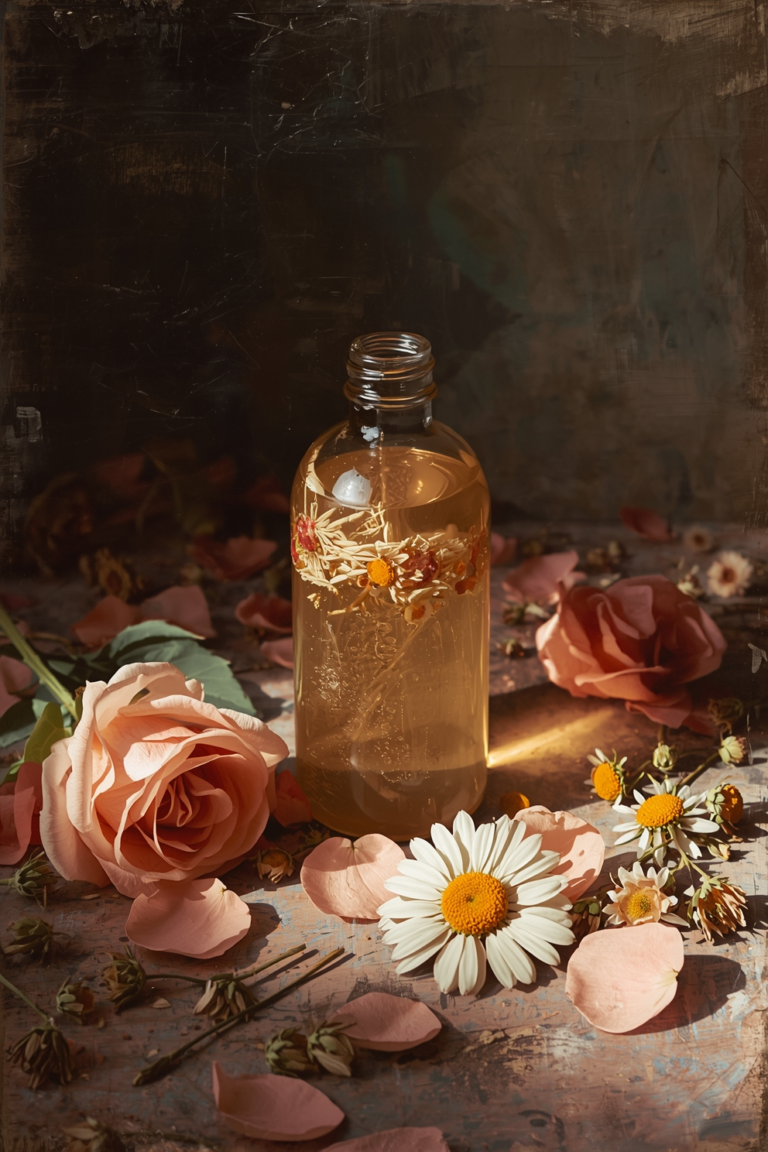
These baths were often done as a ritual of self-care and spiritual cleansing. All you need is whole milk or buttermilk, fragrant flowers like rose petals, jasmine, or marigold, and optional additions like honey or almond paste. Pour the milk into your bath water, let the flowers float on the surface, and if you like, you can mix honey or almond paste into a gentle paste to apply to your skin for extra nourishment.
Benefits
- Moisturizes and softens the skin
- Improves elasticity and smoothness
- Imparts a subtle fragrance that enhances relaxation
- Promotes natural radiance and glow
Vetiver Baths: Cooling, Relaxing, and Refreshing
If you are in India or a similar warm climate, you’ll love this cooling, relaxing, and refreshing bath recipe. Our bodies need baths like this just as much as the luxurious ones or those meant purely for hygiene and self-care. That’s where vetiver comes in.
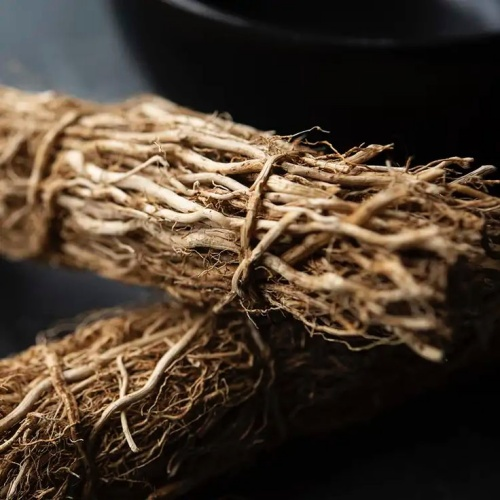
Vetiver is a fragrant grass known for its natural cooling properties. Its roots were soaked in hot water to release a soothing, earthy aroma, creating a bath that calms both body and mind. Vetiver baths were especially popular in the hot summer months and in regions with high temperatures. Beyond its benefits for the skin, this ritual was also considered spiritually calming, perfectly reflecting the holistic approach of traditional Indian beauty practices.
Benefits
- Cools the body in hot climates
- Reduces stress and induces relaxation
- Refreshes tired or irritated skin
- Provides a subtle, natural fragrance
Final Thoughts of an Archaeologist: Ancient Indian Bath Rituals
The beauty rituals of ancient India show that traditional Indian skincare was truly holistic, blending body care, mental relaxation, and spiritual cleansing into daily life.
From ubtan for a radiant glow to sandalwood paste for clear, bright skin, neem and tulsi baths for overall skin health, milk and flower baths for nourishment, and vetiver baths for cooling relief, these practices carry timeless wisdom that is just as meaningful today as they were thousands of years ago.
Personally, I see no harm in giving these bath rituals a try. I absolutely love milk and flower baths myself, and I can honestly say I notice the benefits when I make them a regular part of my routine. Just a little reminder: you don’t have to, and really shouldn’t, continue anything that irritates your skin or makes you uncomfortable. If something feels off, stop immediately. Speaking from experience (as someone with very sensitive skin and even psoriasis) I can confidently say these rituals are gentle and nourishing when done mindfully.
Whenever your mind and soul need a break, hop into your bath and imagine connecting with the women of ancient India who practiced these rituals long before our time. It’s a simple, timeless way to care for yourself, body and spirit alike.