When we think of Ancient Egyptian beauty secrets, Cleopatra’s kohl-lined eyes often take center stage. But beyond their famous eye makeup, the people of the Nile cherished beauty rituals from head to toe and fingertips were no exception. Nail symbolism in Ancient Egypt was intertwined with status, health, and even spirituality, making Ancient Egyptian manicure techniques a fascinating blend of self-care and social statement.
Today, we’ll explore the historical elegance of Egyptian hand care rituals, discover the Ancient Egyptian natural ingredients for nails, and I will give you some DIY Ancient Egyptian nail and hand care recipes inspired by queens and noblewomen.

Ancient Egyptian Natural Ingredients for Nails and Hands
Let’s begin with the natural ingredients the Ancient Egyptians used to pamper their nails, and their hands as well. Some of these may sound familiar, while others might surprise you yet, in certain cultures, remarkably, a few of these age-old remedies are still part of beauty rituals today.
1. Henna
Derived from the dried, powdered leaves of the Lawsonia inermis plant, henna was cultivated along the Nile’s fertile banks and traded widely across North Africa and the Middle East. It is still in used in my country as a nail care and tint agent even though it is not widely popular. In the ancient world, its most iconic use was to tint nails a rich, reddish-brown shade, especially for weddings, feasts, and religious ceremonies.
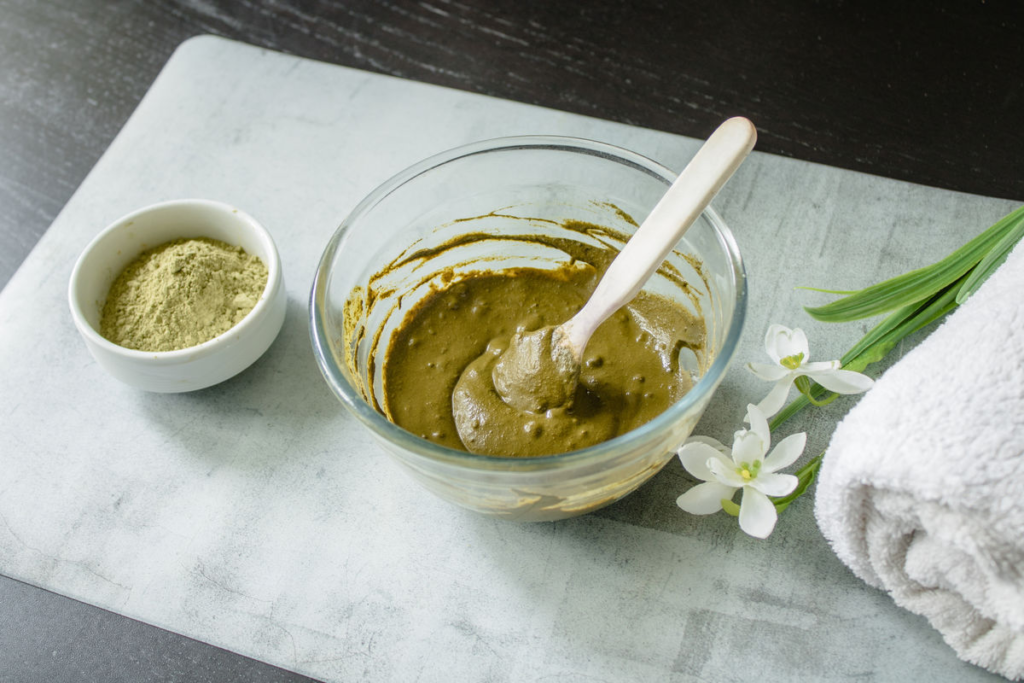
It was valued for its mild antifungal and antibacterial properties, offering natural protection for nails in a climate where dust, heat, and frequent contact with water could weaken them. Women and sometimes men would grind the dried leaves into a fine powder, mix it with water or aromatic oils, and apply the paste to nails and fingertips, allowing it to stain the keratin over several hours.
2. Almond Oil
Almond oil remains a beloved staple in modern beauty routines for countless reasons, from nourishing skin to strengthening nails but its cosmetic fame is nothing new. In fact, its popularity in skincare stretches back thousands of years.
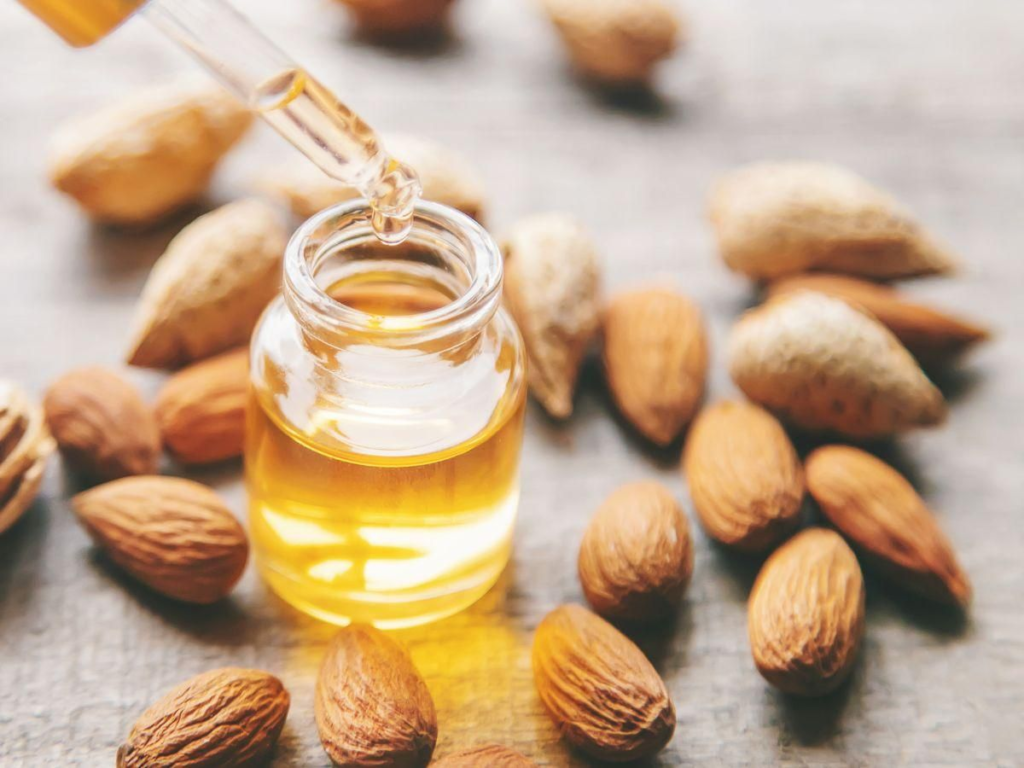
Pressed from the kernels of sweet almonds, this golden oil was prized for its ability to deeply nourish the skin, making it a staple for moisturizing cuticles and softening skin. Its light texture and delicate, nutty aroma made it ideal for daily use in Ancient Egyptian manicure techniques, where supple hands and healthy nails were considered signs of good health and elevated status.
Historical records and archaeological finds suggest almond oil was often stored in small alabaster or clay jars, ready to be massaged into the hands after bathing or before applying pigments like henna nail coloring in Ancient Egypt. The oil worked to seal in moisture, protect against the harsh desert climate, and prevent cuticles from cracking which was a common problem in the dry, dusty air along the Nile.
3. Beeswax Balm
In Ancient Egypt, beeswax balm was regarded as both a luxurious indulgence and an essential part of daily skincare. Crafted by carefully blending pure beeswax with nourishing oils, it served to lock in moisture and shield the skin from the harsh desert dryness.
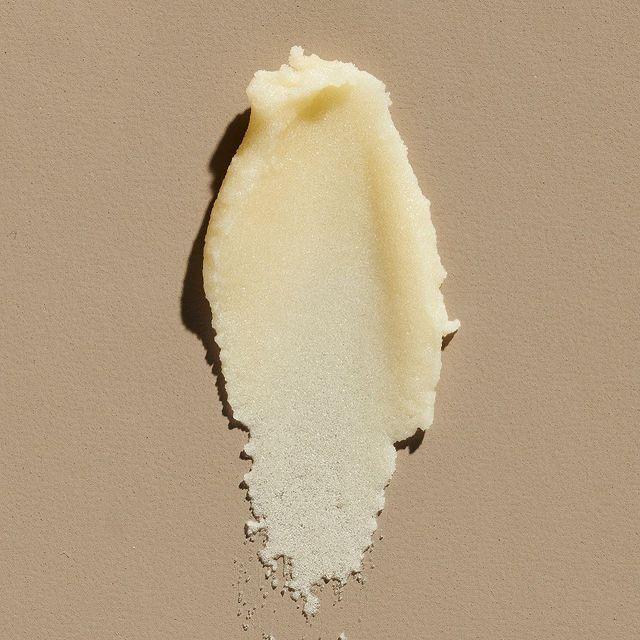
When softened and combined with rich oils like almond oil, moringa oil, or the aromatic essence of frankincense oil, beeswax transformed into a smooth, creamy balm that was both protective and breathable. Applied generously to hands, nails, and even lips, this balm sealed in hydration while allowing the skin to remain supple. In the arid climate of the Nile valley, where moisture loss could quickly cause cracked cuticles and rough, dry skin, such natural hand care in Ancient Egypt was not just a beauty ritual but a vital defense against environmental damage.
4. Milk
We all know how iconic milk baths are to Ancient Egyptian civilization, don’t we? Alongside honey, milk was an incredibly valuable resource for the Egyptians, cherished not only as food but also as a potent beauty agent. It was often used to soothe and heal common skin issues like cracked or dry hands. While not every Egyptian woman bathed entirely in milk unless they were Cleopatra herself, they certainly incorporated milk into their daily nail and hand care routines.
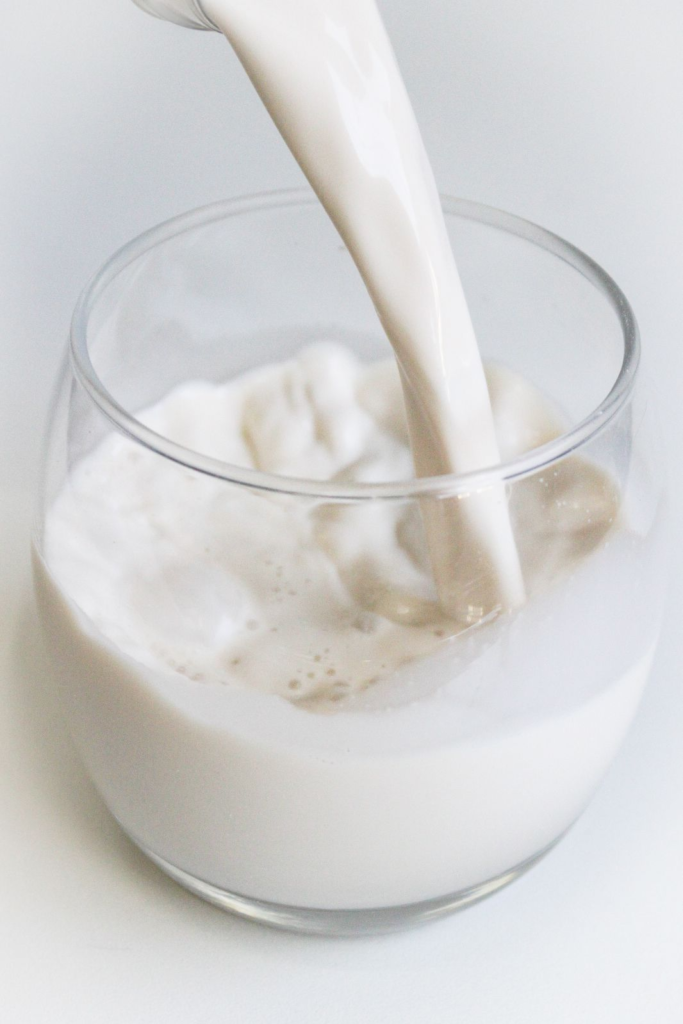
For hands especially, which faced constant exposure to sun, sand, and labor, soaking in warm milk enriched with honey and aromatic oils such as frankincense oil and myrrh oil was a transformative ritual. This luxurious soak helped to soften rough, dry skin and restore suppleness, leaving hands radiant, glowing and smooth.
5. Gold
I know you might have been expecting something exotic or maybe even something as wild as snake venom but rest assured, this isn’t one of those impossible-to-recreate-at-home beauty secrets (and I definitely wouldn’t recommend trying those!). Still, since I’m sharing some fascinating details, I couldn’t resist including this one.
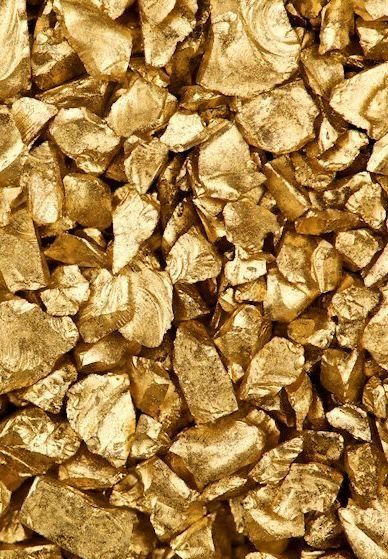
As you might imagine, gold leaf beauty treatments were truly reserved for the wealthy and royal elite. It’s safe to say the average Egyptian didn’t use gold in their daily hand and nail care. Within the realm of nail care, delicate sheets of gold leaf were sometimes carefully applied over tinted nails or mixed into balms to create a shimmering, protective layer. This luxurious treatment wasn’t just about appearance, it was believed to possess healing properties and to protect the wearer from evil spirits and illness.
Ancient Egyptian Manicure Techniques
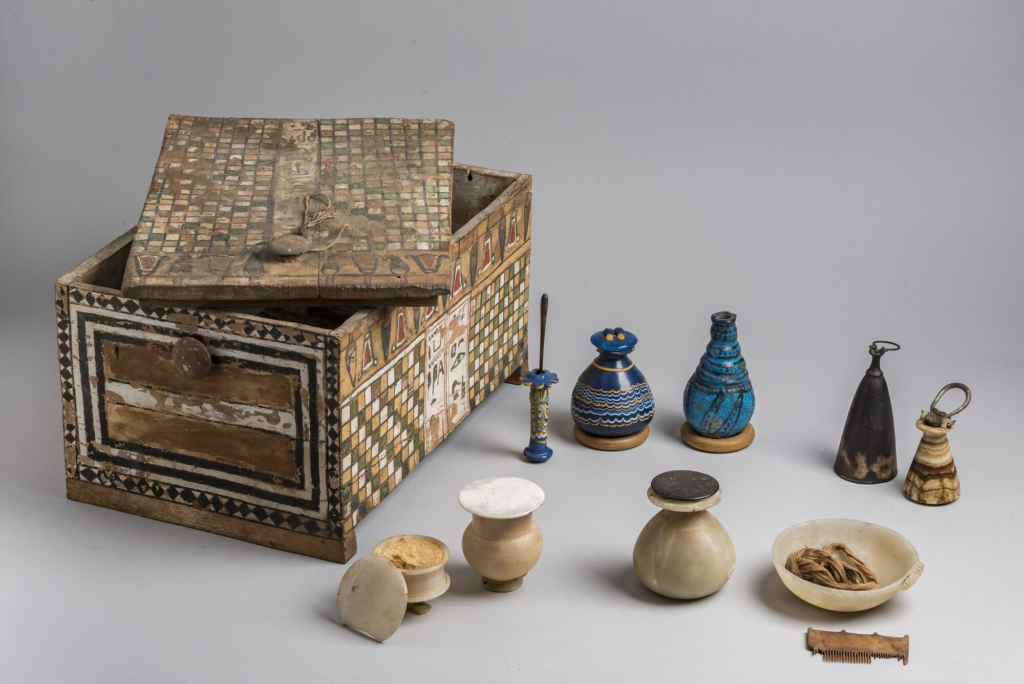
Thanks to the dedicated efforts of my fellow archaeologists, we have unearthed remarkable cosmetic kits from Ancient Egyptian tombs. These discoveries have provided invaluable insights into their daily beauty routines and, more specifically, their sophisticated manicure techniques. These techniques are:
- Filing and shaping nails with finely crafted bronze or copper tools, often small enough to suggest personal, meticulous care.
- Buffing the nail surface using smooth stones wrapped in linen, which were sometimes dipped in fragrant oils to add both sheen and a pleasant aroma.
- Cuticle care through gentle almond oil massages, which nourished and softened the skin.
- Pigment application with either slender sticks or the simple, tactile method of fingertip smearing, ensuring vivid, even color.
- Sealing the finish with a protective layer of rich oils or beeswax balm, locking in color and shielding nails from cracking in Egypt’s unforgiving arid climate.
Egyptian Nail Polish Origins and Coloring Rituals
If you’ve ever wondered about the origins of Egyptian nail polish, the earliest forms were far from the synthetic lacquers we see today. Instead, Ancient Egyptians crafted their “polish” from natural ingredients primarily a blend of henna or finely ground ochre pigments mixed with nourishing oils. This concoction was carefully applied to the nails, resulting in a vibrant reddish or earthy hue that was both decorative and symbolic.
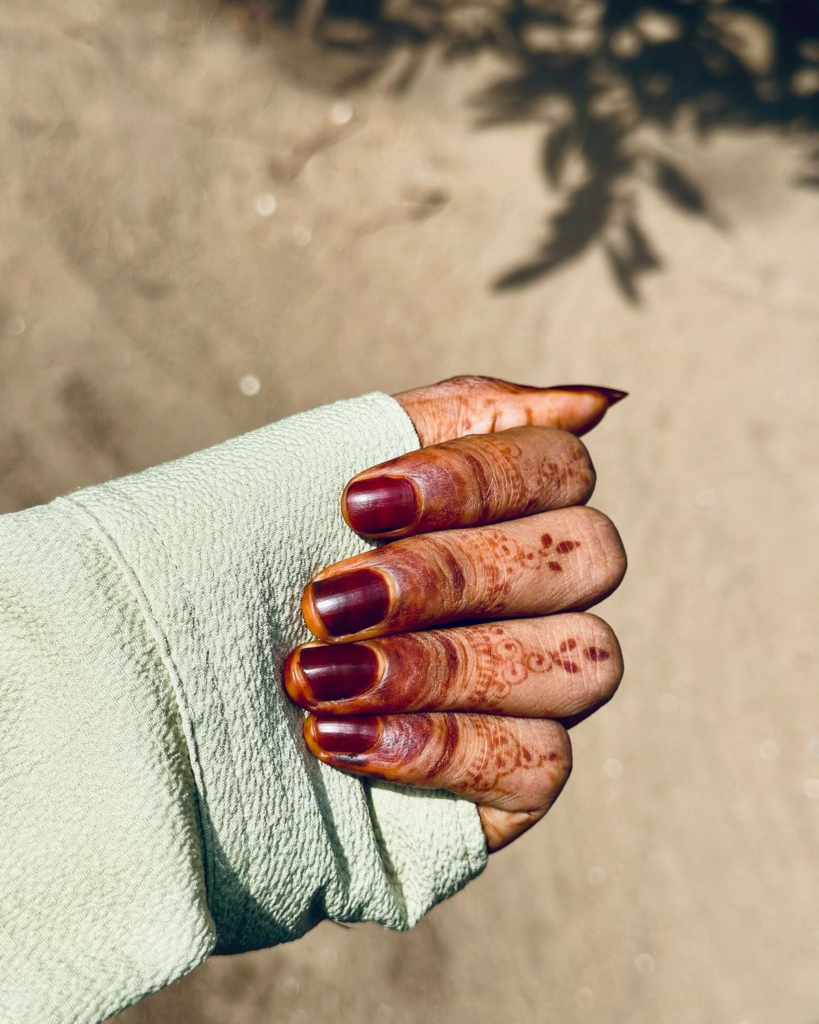
Henna nail coloring in Ancient Egypt went well beyond mere aesthetics. It was deeply embedded in cultural rituals, symbolizing joy, fertility, celebration, and readiness for significant life events such as weddings or religious festivals. The intensity and uniformity of the color were important markers of refinement; a rich, even tint was a sign that one had the means and leisure to maintain such elaborate grooming.
For the elite, especially royalty, nail adornment reached even greater heights. In ceremonial settings, nails might be dusted with delicate sheets of powdered gold leaf, creating an opulent, shimmering effect that not only showcased wealth but also connected the wearer to divine power and eternal beauty. This luxurious practice has fascinating echoes in today’s beauty world, where metallic and gold-infused nail polishes continue to captivate fashion trends.
Ancient Egyptian Hand Care Rituals
Let’s shift our focus to hand care, a crucial aspect of beauty and health in Ancient Egypt. Living under the relentless sun in a harsh climate presented a serious challenge especially for the hands, which bore the brunt of daily labor and exposure. Without proper care, hands could become dry, cracked, and even bleed, leading to painful conditions that made everyday work difficult, if not impossible.
The Ancient Egyptians were well aware of these risks and took hand care seriously as both a cosmetic and practical necessity. Daily Egyptian hand care rituals were designed to keep skin soft and fragrant. Among the most luxurious were:
- Milk baths for hands – Cleopatra was said to soak her hands in milk blended with honey for ultimate smoothness but we assume Ancient Egyptian women gave this trick a try.
- Oil massages – Using almond oil, moringa oil, or a mix with frankincense oil.
- Exfoliation – Gently rubbing hands with sand or ground pumice mixed with scented oils in Ancient Egypt.
- Fragrance finishing – A few drops of myrrh oil massaged into the hands left a subtle, lasting scent.
DIY Ancient Egyptian Nail Care Recipes
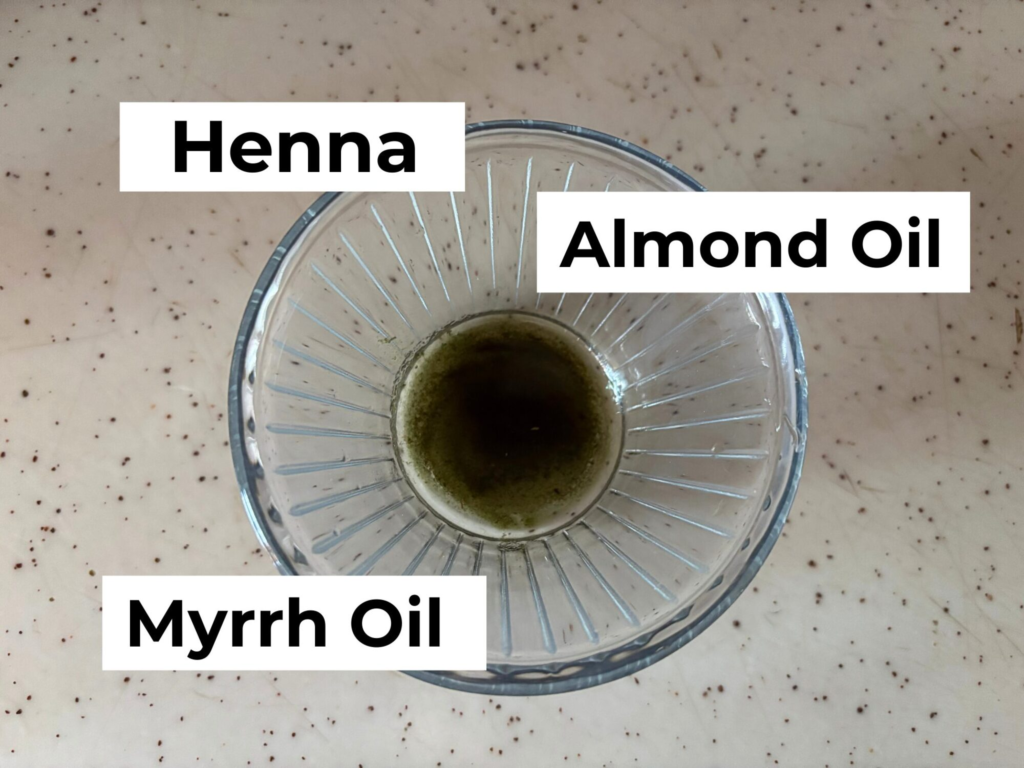
Recipe 1 – Henna & Almond Oil Nail Strengthener
Ingredients:
- 1 tsp henna powder
- 2 tsp almond oil
- 1 drop myrrh oil
Instructions:
- Mix henna powder with almond oil until smooth.
- Add the myrrh oil and stir.
- Apply to nails and cuticles.
- Leave for 15–20 minutes, then rinse with warm water.
Benefits: Strengthens nails, enhances growth, and leaves a warm glow.
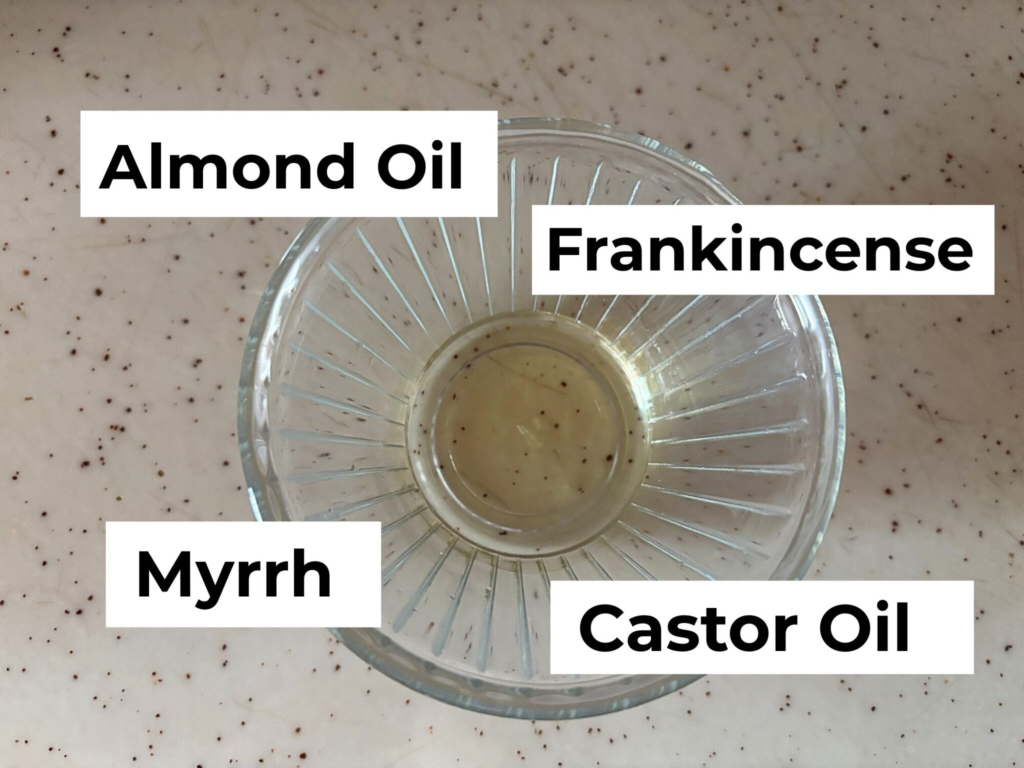
Recipe 2 – Ancient Egyptian Nail Growth Elixir
Ingredients:
- 2 tbsp almond oil
- 1 tsp castor oil (known for promoting hair and nail growth)
- 3 drops frankincense oil
- 2 drops myrrh oil
Instructions:
- Combine all oils in a small glass bottle or jar.
- Gently warm the mixture by placing the bottle in warm water (do not overheat).
- Massage a few drops into each nail and the surrounding cuticle area daily, preferably before bedtime.
- Allow the oils to absorb fully without washing hands immediately.
Benefits: This blend replicates the nourishing oils used in Ancient Egyptian manicure techniques and Egyptian hand care rituals, promoting stronger, longer nails over time.
DIY Ancient Egyptian Hand Care Recipes
Recipe 1 – Beeswax Balm for Desert-Dry Hands
Ingredients:
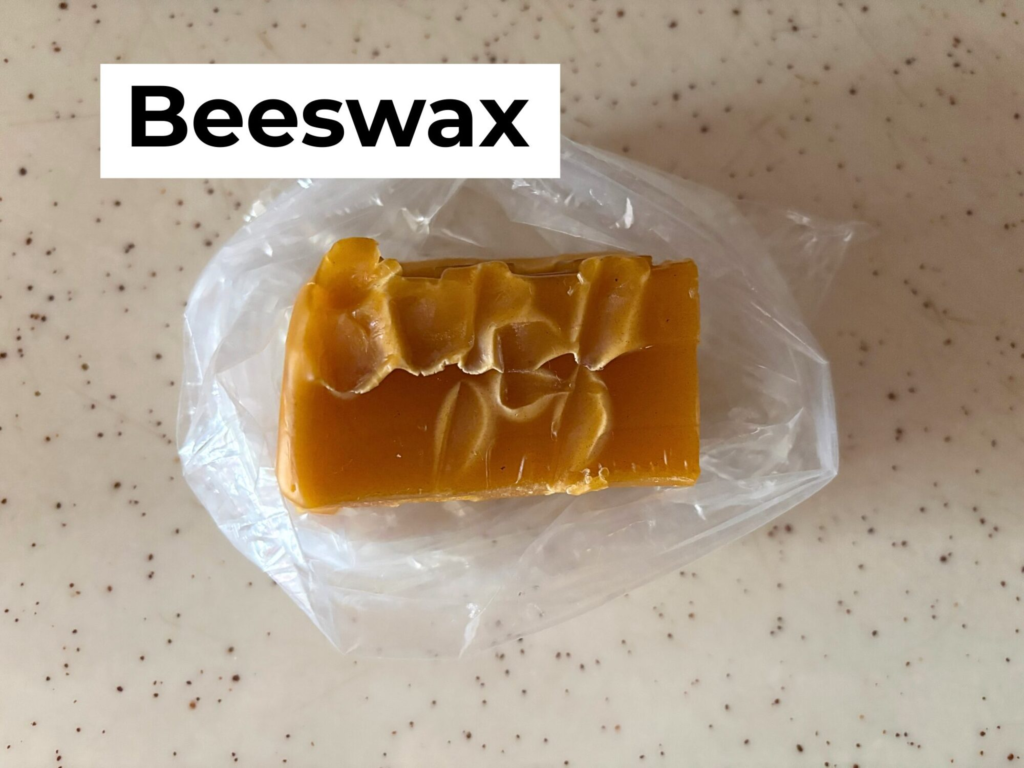
- 1 tbsp beeswax
- 2 tbsp almond oil
- 2 drops frankincense oil
Instructions:
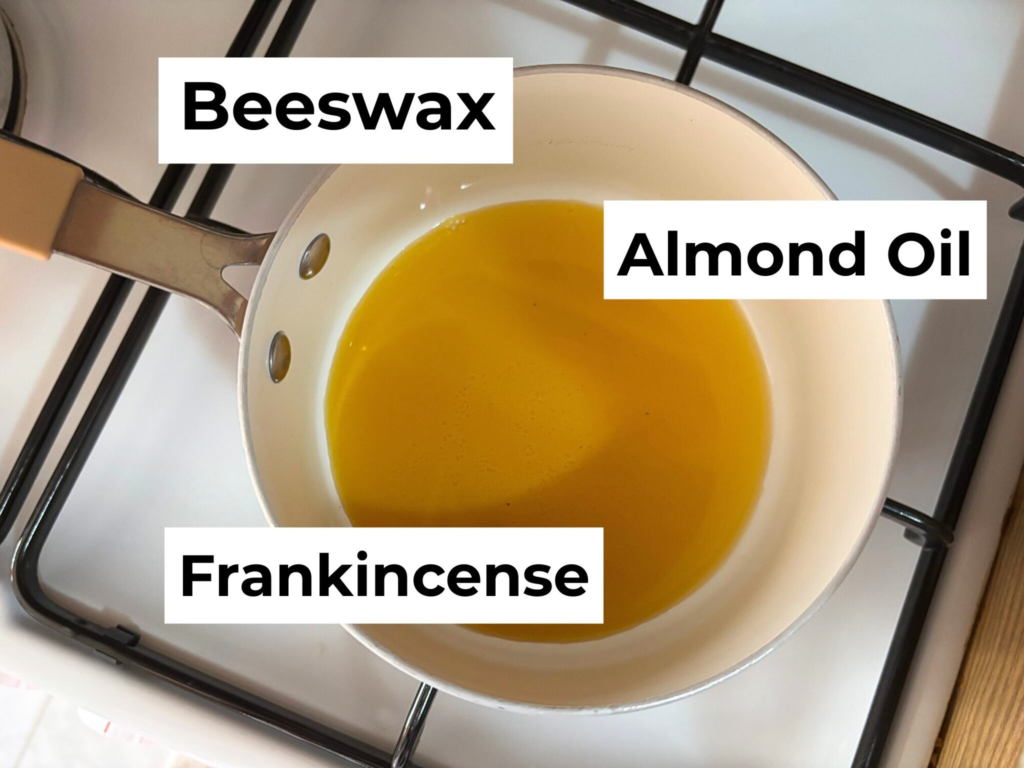
- Set up a double boiler: Fill a small pot with water and bring it to a simmer. Place a heat-safe bowl on top without letting it touch the water.
- Melt the beeswax: Add 1 tablespoon of beeswax to the bowl and stir occasionally until fully melted.
- Add oils: Remove from heat and stir in 2 tablespoons of almond oil and 2–3 drops of frankincense oil until well combined.
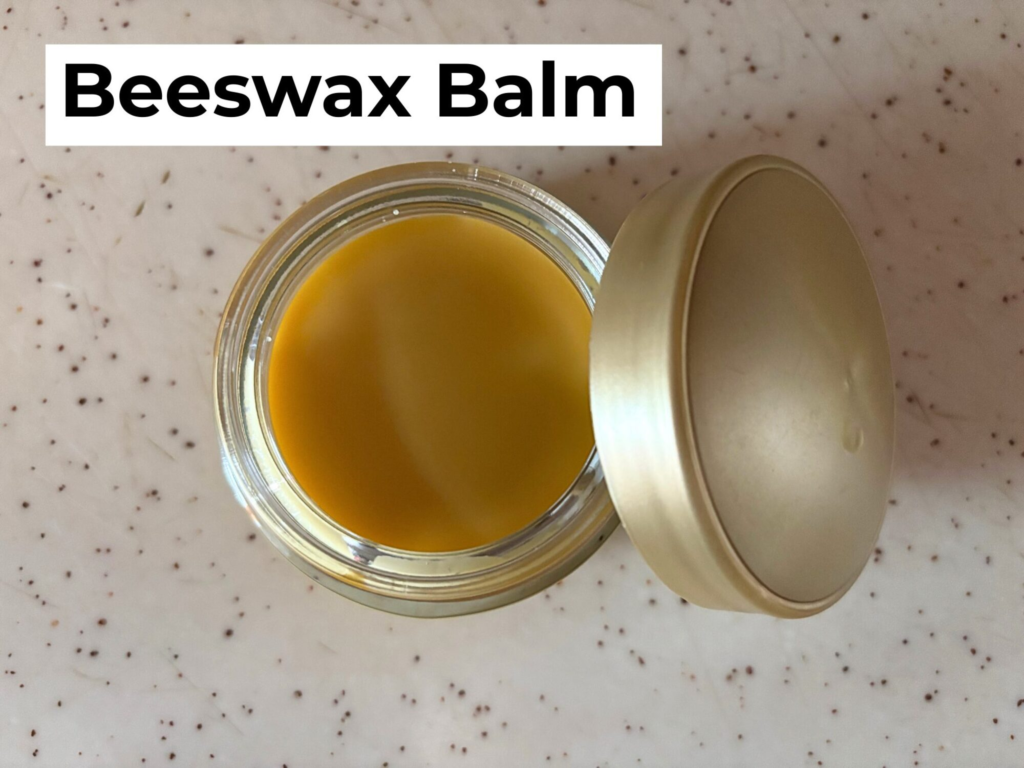
- Pour and cool: Pour the mixture into a small tin or jar and let it set at room temperature until solid.
- Use daily: Warm a small amount between your fingers and massage into nails and hands to lock in moisture and protect against dryness.
Benefits: Seals in moisture, repairs cracked skin, protects nails.
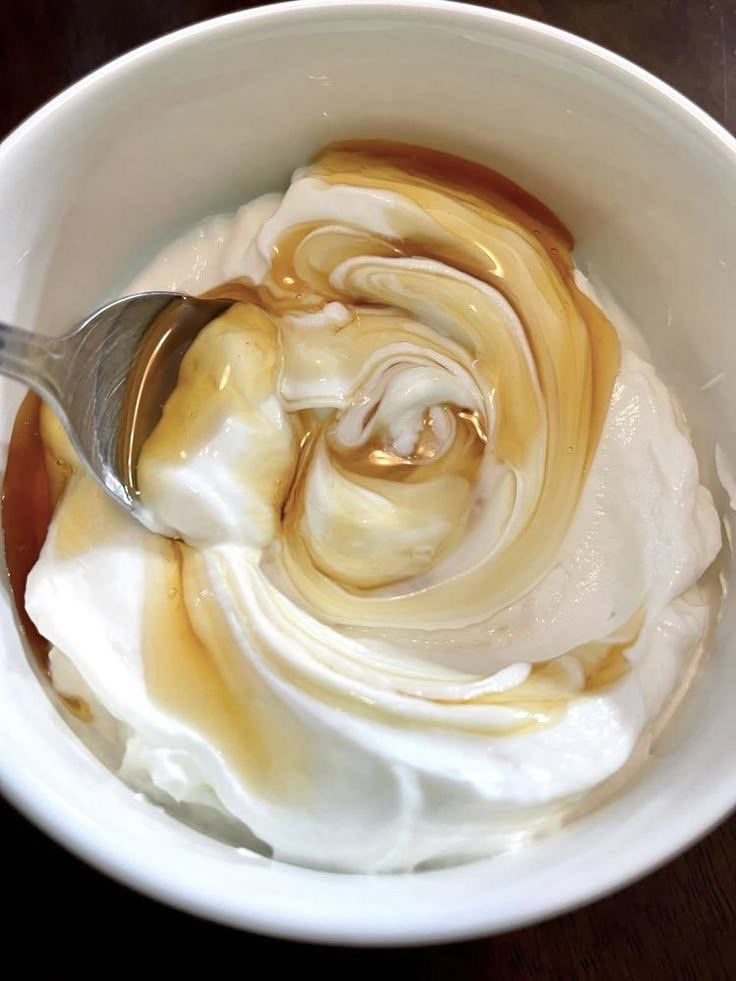
Recipe 2 – Milk & Honey Hand Softening Soak
Ingredients:
- 1 cup warm milk
- 2 tbsp raw honey
- 1 tsp olive oil
Instructions:
- Blend all ingredients in a bowl.
- Soak hands for 10–15 minutes.
- Gently pat dry, then massage in almond oil.
Benefits: Hydrates skin, nourishes cuticles, and restores softness.
I Tried: Did These Recipes Work for Me?
Alright, now let’s get to the juiciest part: the recipes! I’ll start with henna and almond oil. If the idea of henna staining your fingertips for several days bothers you, then maybe skip this one. Yes, the color does stay for a while. It’s not unpleasant by any means, but sometimes I just don’t want to put in the extra effort to rinse it off or have my fingers looking like I just walked off a Bollywood set. In those moments, I prefer using olive oil instead. That said, henna really does have some miraculous benefits for nail health that you can’t ignore.
One of my personal favorites is the Ancient Egyptian Nail Growth Elixir. The secret star here is castor oil. You definitely don’t want to skip it. If you want to keep it simple, just mix almond oil and castor oil, and you’ll still enjoy solid growth benefits. Did it work for me? Absolutely! I’m not naturally gifted with fast-growing nails, but after using this recipe, I noticed it became much easier, and my nails seemed to grow faster. Just don’t expect miracles overnight. It takes a bit of patience.
Then there’s the Beeswax Hand Balm, which I find to be a fantastic alternative to modern hand creams. It’s much thicker since it’s a balm, but it works wonders. Plus, you can customize it however you like. I love adding honey for extra moisture. And here’s a bonus: you don’t have to limit it to your hands. It’s great for your lips, too!
Finally, you know how much I love a good hand soak. The milk and honey hand soak is definitely one of my top favorites. I even treat my feet to a milk and honey soak sometimes! These ingredients are gentle, easy to find, and safe for your skin, plus they give you that silky smoothness everyone craves.
If you need more recipes including milk and honey, then you should read these articles: Cleopatra’s Milk and Honey Face Mask Recipe and DIY Cleopatra Milk Bath at Home. Do not forget to check out Homemade Ancient Egyptian Hair Growth Oil Recipes and DIY Ancient Egyptian Acne Remedies at Home.
Final Thoughts of an Archaeologist: Ancient Egyptian Nail and Hand Care
Studying the beauty rituals of Ancient Egypt offers a fascinating window into a civilization that valued aesthetics but, also health and wellbeing. The meticulous care given to nails and hands reveals how deeply intertwined beauty was with daily life, status, and even spirituality.
As an archaeologist, being able to research and even uncover cosmetic kits, oils, and pigments has allowed me to piece together these intimate rituals, showing us that ancient Egyptians approached nail and hand care with a sophistication and reverence that still resonates today. Their use of natural ingredients like henna, almond oil, beeswax, and milk baths reflects a profound understanding of skin health and nourishment, much of which aligns with modern skincare wisdom.
These practices remind us that beauty is timeless, rooted in self-care and respect for the body, and that sometimes, looking back can inspire the best of our own routines.