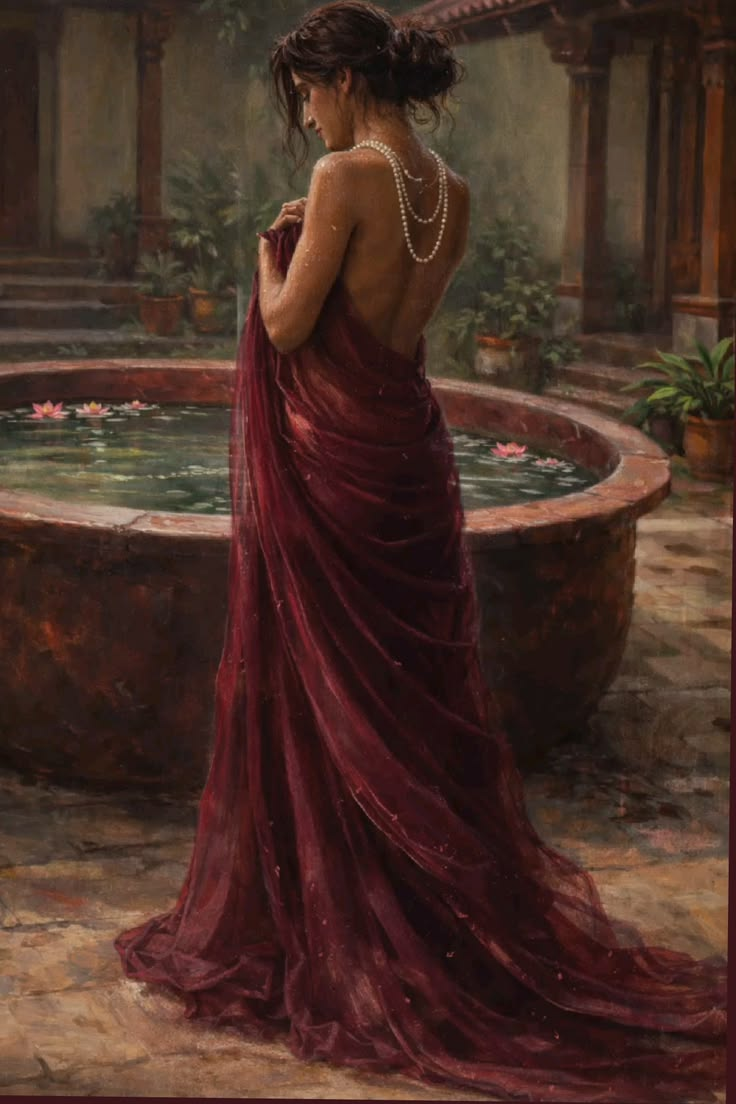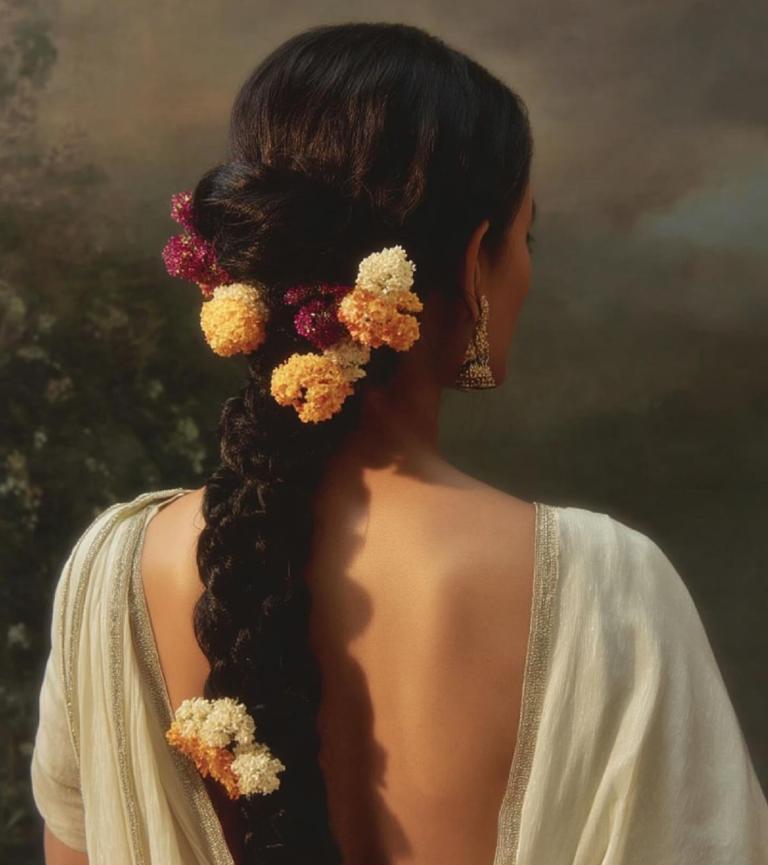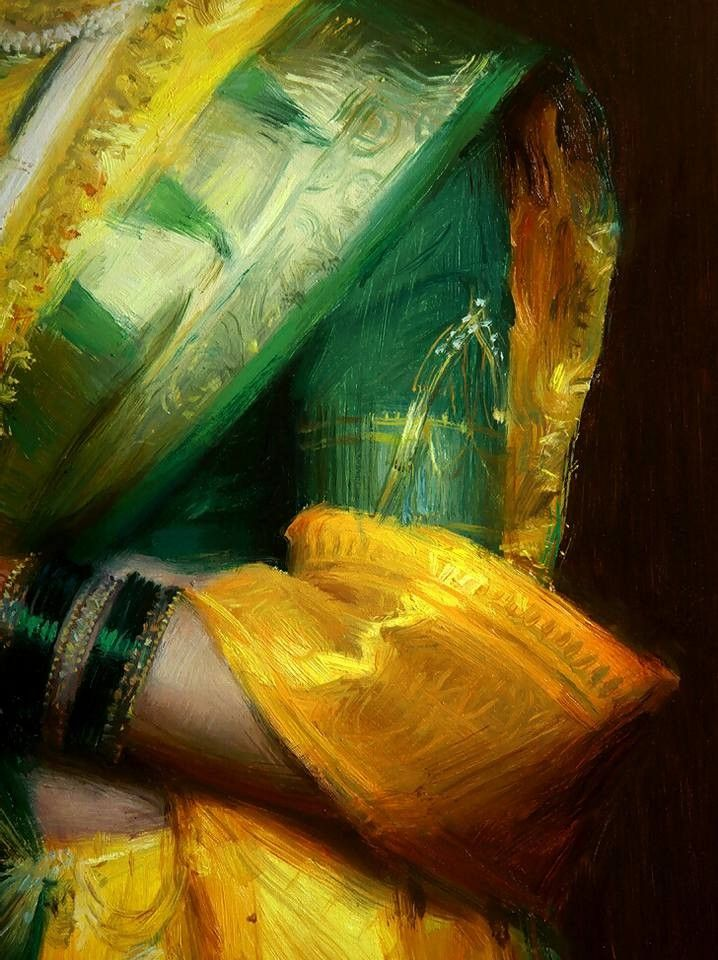
What’s the first thing that pops into our minds when we think of India and the beloved Indian people? Besides the legendary Bollywood drama and that famously thick, glossy hair, of course. It’s the clothes, those vibrant, flowing, mesmerizing outfits.
Oops, let me correct myself. I should probably say sari, right?
Everyone knows those bright, colorful beauties. And let’s be honest, at some point in our little girly childhood, every one of us secretly wanted to twirl around in one. Because why wouldn’t we?
Today, we’re diving into Indian fashion, but we’re taking a gentle step back in time.
Yes, we’re talking about ancient Indian wardrobe secrets.
The Philosophy Behind Ancient Indian Dressing Rituals
Getting ready and clothed in ancient India wasn’t something you rushed through on the way out the door. it was slow, grounding, and intentional. You had to scent your fabrics, pick colors that matched your mood or intention, slip on jewelry with meaning behind every piece, and wrap your clothes in ways that honored the curves and softness of the feminine body.
Simply, you were not only trying to look good but also you were trying to feel aligned, calm and connected.
And honestly? If you’re someone who loves slow fashion, silky textures, and accessories that actually say something, then this little corner of ancient Indian fashion is basically your spiritual home (and you might want to take notes of these secrets here).
Secret 1: Fabrics
India is the birthplace of some of the world’s most legendary textiles. Ancient Indian fabrics like mulmul (muslin), khadi cotton, tussar silk, and handloom weaves were trusted for breathability, softness, and natural elegance.
Without the right fabric, even the prettiest outfit can feel off. Trust me, I’ve had those tragic “why does this look amazing on the hanger but awful on me” moments. Fabric matters more than we realize. The way it drapes, breathes, moves, and hugs your body can change everything.
So choosing the right fabric for your body, the occasion, and even the weather is absolutely crucial.
How to use it today?
Always try to choose natural, breathable fabrics like cotton, linen, silk, khadi, or mulmul, and keep anything synthetic to an absolute minimum.
Ideally, avoid nylon altogether when you can. These natural fabrics let your skin breathe, move beautifully, and feel so much better throughout the day.
Just keep in mind that some fabrics require a little extra love. Silk, for example, is stunning but not very forgiving. It shows every little crease or flaw, while cotton or linen are much easier to handle.
Knowing the nature of each fabric helps you choose the right piece for the right moment.
Secret 2: Color Symbolism
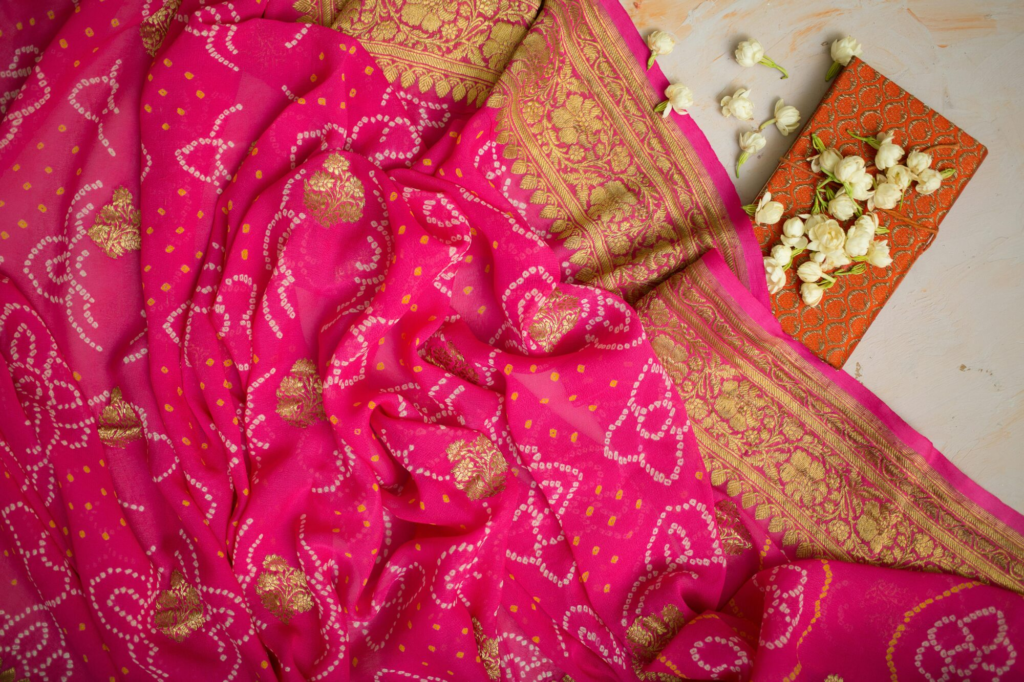
Have you ever noticed how incredibly colorful Indian fashion is? Every shade carries a meaning. In ancient India, color wasn’t just something you wore. It was a whole language of its own.
The color you chose for your sari spoke for you. It expressed your mood, your intention, even your place in life. Without saying a single word, you were communicating through hues and tones. It was emotional, symbolic, and beautifully deliberate.
- Red represented sensuality, vitality, and protection. It was the color of bold feminine energy.
- Yellow symbolized purity and auspicious beginnings, perfect for new chapters and fresh starts.
- White reflected serenity, clarity, and spiritual calm.
- Blue expressed the divine and protective, echoing the sky and the gods.
- Green stood for fertility, harmony, and natural abundance.
How to use it today?
Pick a single color each morning based on how you feel.
You can choose calming whites when you need clarity, sensual reds when you want confidence and fire, or grounding greens when you crave balance and softness.
Just play with colors a little and pick the one that describes you best, or makes you feel the best.
Secret 3: Draping: The Body Sculpting Trick
Before tailoring was even a thing, India had already mastered the art of draping. And honestly, they turned it into pure poetry. The entire sari culture is built on the idea that a single piece of fabric can shape, sculpt, and move with your body better than any stitched garment ever could.
And let’s be honest, ancient Indian draping techniques basically opened the door for everything we now call haute couture. Before structured tailoring existed, women were already sculpting their silhouettes with nothing but fabric and creativity.
Once you understand the art of draping, you suddenly gain this quiet superpower. You can highlight your curves, soften your edges, make your waist look slimmer, or add volume where you want it.
Sari Draping Techniques:
- Bengal Drape (for ease and effortlessness)
This style lets the fabric fall in long, soft lines, creating a relaxed, airy silhouette. It’s perfect when you want comfort without losing elegance. - Nivi Drape (for curves and definition)
Probably the most iconic drape today. The pleats at the waist and the way the pallu falls over the shoulder naturally carve out your curves. It highlights the waist, softens the hips, and adds that subtle feminine shape everyone loves. - Gujarati Drape (for drama and presence)
This one brings the pallu to the front, creating a bold, statement look. It’s all about showcasing patterns, embroidery, and richness. If you want to look powerful, expressive, and a little theatrical, this drape does the job beautifully.
How to use it today?
Try wearing soft, draped tops or dresses that echo the gentle flow of traditional sari fabrics.
Layer your scarves the way sari folds wrap and cascade, and do not forget the waist.
A simple belt or a few well-placed pleats can highlight your silhouette and create that elegant, feminine definition ancient draping was famous for.
Secret 4: Jewelry with a Meaning
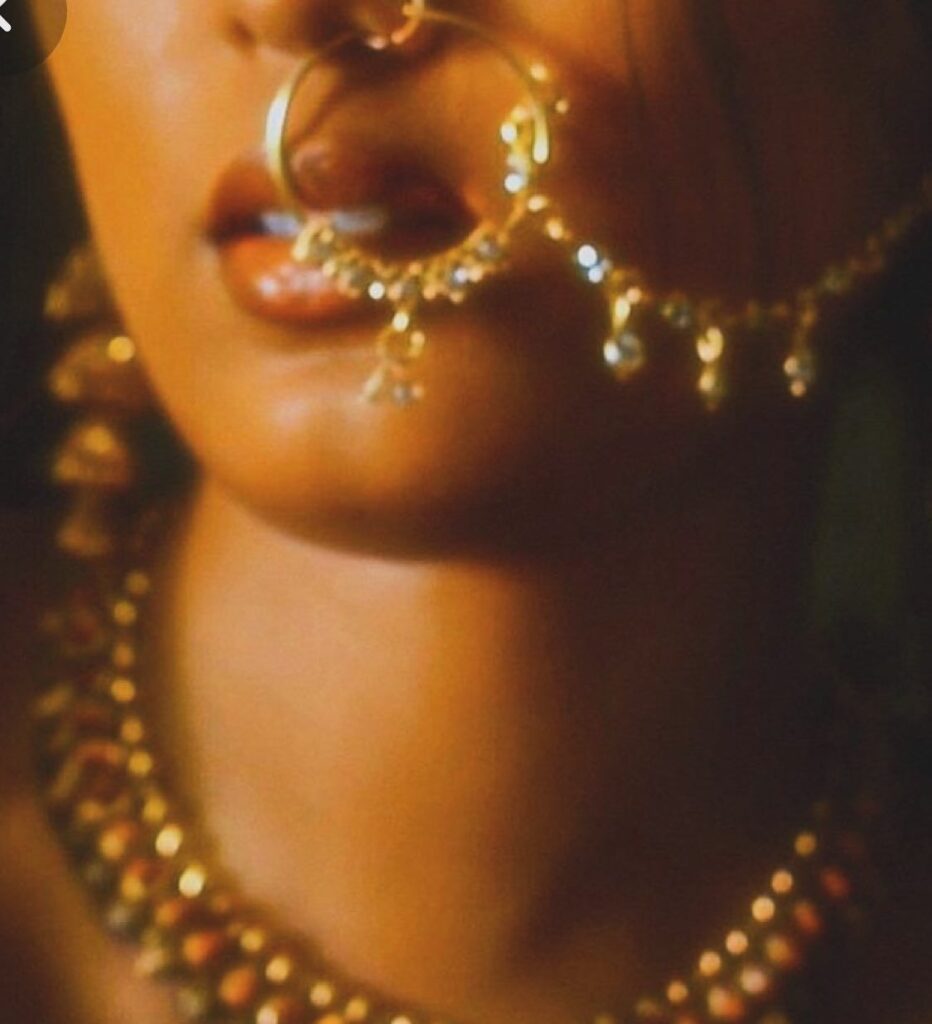
Just like choosing the right color or fabric, the jewelry you wore mattered deeply in ancient India. Every little detail carried meaning. The gemstones you selected, the metal you paired them with such as gold, silver, or copper, and even the exact place you wore each piece all had a purpose
- Bangles were worn to harmonize energy and keep the body’s rhythm steady.
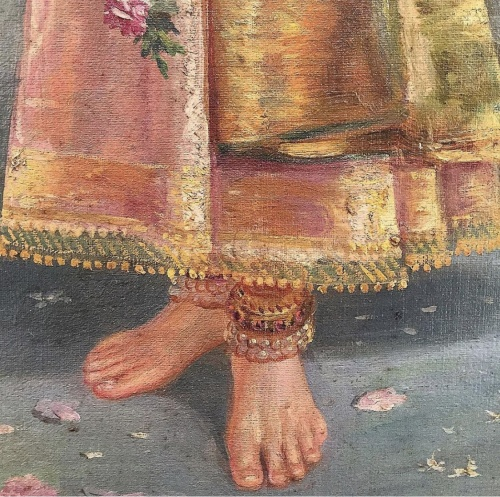
- Anklets helped with grounding and mindfulness, keeping you connected to the earth with every step.
- Earrings were believed to balance the body’s energy channels and calm the mind.
Choosing the right gemstone was almost like choosing a guide. You picked stones that aligned with your zodiac or your personal energy, then matched them with the metal that would strengthen their qualities. In ancient India, jewelry was not just decoration. It was wearable intention. If you want to read more about ancient Indian jewelry, read my Astrology-based Jewelry Guide of Ancient India.
How to use it today?
Create a minimal, mindful jewelry cabinet rather than collecting random pieces.
Instead of choosing the cheapest option, take a moment to learn about gemstones and metals so you can pick pieces that match your energy, your mood, or even your zodiac sign if that resonates with you.
Give gold, silver, and copper room in your collection, since each one carries its own symbolism and softness. And stay thoughtful about where you place your jewelry on your body, because every spot has its own quiet meaning and effect.
Secret 5: Embroidery and Handcraft
Ancient India absolutely worshipped detail. Every thread, every shimmer, every tiny motif had a heartbeat of its own. Indian embroidery traditions such as zardozi, mirror work, and kantha were storytelling tools themselves. Women stitched their memories, blessings, symbols, and cultural identity directly into the fabric.
Zardozi brought in that royal touch with metallic threads that caught the light and turned even simple cloth into something celestial. Mirror work wasn’t just pretty sparkle. Each tiny mirror was believed to deflect negative energy and invite protection. And kantha, with its soft, layered running stitches, felt like the fabric version of a handwritten letter. It carried warmth and emotion.
How to use it today?
You can bring a touch of ancient Indian charm into your wardrobe today with small, meaningful pieces.
Think embroidered belts that add subtle detail to your waist, hand-beaded bags that feel like little works of art, artisan scarves and shawls with beautiful texture, and vintage-inspired tops that echo old-world elegance.
These pieces blend effortlessly with modern outfits while keeping your look rich, and feminine.
Secret 6: Scent Rituals
You were not expecting to leave without talking about scents, were you? Of course not. One of the most unforgettable elements of ancient India is the world of fragrance.
After choosing the right fabric, the right color, and the perfect jewelry, the final touch was scent. But here is the detail many people miss. They did not apply fragrance directly to the skin. They scented the fabric itself.
Jasmine, rosewater, vetiver, and sandalwood were among the most loved scents. Each one created a soft, lingering aura that moved with the fabric and felt both elegant and deeply personal.
You can easily bring this ritual into your modern routine. Choose a scent that matches your mood or simply use your favorite perfume, then lightly mist it over your scarf or the lining of your dress. You can also tuck scented sachets inside your wardrobe. And yes, it works beautifully.
How to use it today?
You can also bring back the ancient scent rituals in a soft, modern way.
Lightly mist your scarves or collars with a little floral water to create a gentle aura around you. Keep jasmine or rose sachets tucked between your clothes so your wardrobe always smells fresh and comforting.
And use a few drops of natural oils to revive and freshen your fabrics, especially cottons and linens. It feels luxurious without trying too hard.
Final Thoughts of an Archaeologist: Ancient Indian Fashion Secrets
Every ancient fashion carries its own story, shaped by geography, climate, and culture. But the style of ancient India and the Indus Valley stands out as something truly unique. With its vibrant colors, flowing fabrics, and bold jewelry, it created a world of beauty that people adored then and still adore today.
And the best part is, you don’t need to fly to India to bring a little of that magic into your life. If you can make it there one day, wonderful. But even if you are simply wandering through local shops, you can still find pieces that echo those traditions. As long as you understand the meaning behind the colors, the fabrics, the draping, and the jewelry, you already have the essence of ancient Indian fashion wrapped around you.