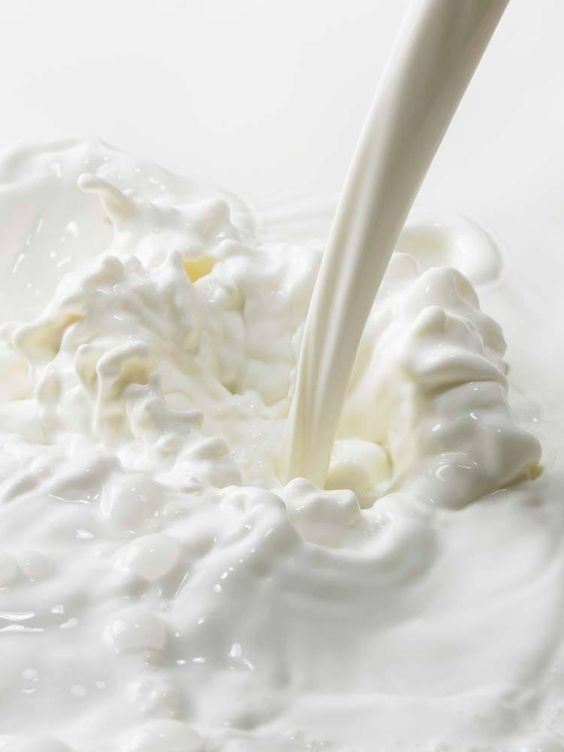
I recently noticed that although we’ve explored countless DIY recipes and detailed skincare and hair care rituals, we haven’t truly paused to examine the core ingredients that ancient civilizations relied on for beauty. It felt like the right moment to change that so today, we begin.
We’re starting with one of the most enduring pillars of historical beauty practices, an ingredient valued by ordinary women and legendary queens alike: goat milk. Revered across cultures for its restorative and softening properties, goat milk stands as one of the two fundamental staples in ancient beauty traditions, and its legacy is as compelling as its benefits.
For as long as beauty has been recorded, goat milk has been silently shaping the rituals of women across deserts, mountains, temples, and palaces. It is one of the very few ancient beauty rituals that is fully validated by modern science. The more we uncover through archaeology and historical texts, the more we realize that ancient women were not simply following superstition, they were practicing early dermatology without knowing the word for it.
Today, as women around the world turn their eyes back toward ancestral beauty, goat milk emerges again as an ingredient that bridges tradition and truth.
The Ancient Origins of Goat Milk in Beauty Rituals
Egypt: Cleopatra’s Luxurious Bath Rituals
No ingredient is more strongly associated with feminine beauty in antiquity than milk and the queen most synonymous with this ritual is Cleopatra VII. There is still plenty of debate around Cleopatra’s famous milk baths whether she truly indulged in them, and if so, whether they were made with donkey milk, goat milk, or if the entire tale is a romanticized legend. Historically, donkey milk is considered the more likely choice due to its luxurious status in royal circles.
However, goat milk remains an excellent and accessible substitute, and the truth is, we may never be able to confirm the exact type of milk used in antiquity. What we can confirm is that goat milk held an important place in ancient beauty rituals across many cultures and that’s exactly where our exploration begins today.

Goats were plentiful along the Nile, easy to raise, and beloved for their mild, nutrient-rich milk. Wealthy Egyptian households often maintained private herds specifically for cosmetic purposes. Archaeological analyses of cosmetic residues recovered from tombs in Saqqara and Giza reveal lipids and proteins consistent with animal milks mixed with honey and scented resins, formulations that align perfectly with recorded beauty rituals of elite Egyptian women.
Cleopatra’s bathing chambers were said to include jars filled with sweetened milk, rosewater, crushed lotus petals, and oils infused with myrrh. Combined, these ingredients created a bath that softened the skin, calmed irritation, and gave off an intoxicating floral aroma.
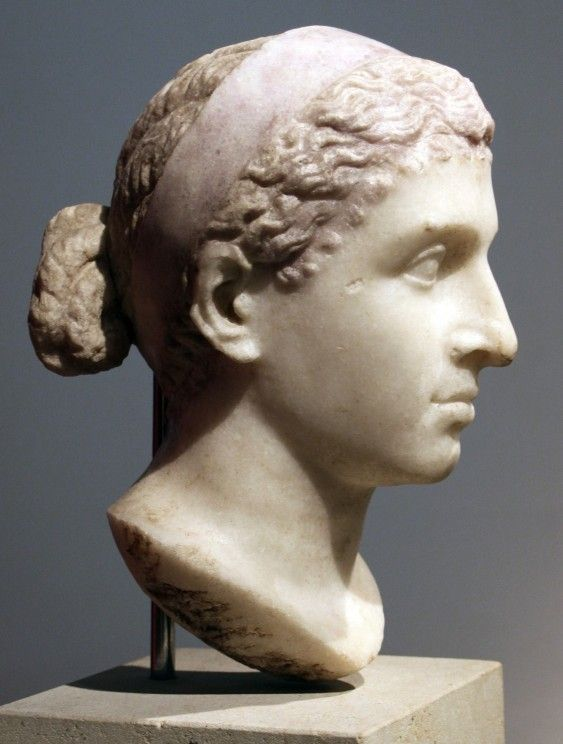
The softness of her skin became part of her political myth. Ancient historians described her presence as “irresistible,” noting the glow of her complexion and scent that lingered even after she left a room. Goat milk was part of that allure.
If you’d like to dive deeper into Cleopatra’s legendary milk baths and even try recreating your own modern version at home, don’t miss my full guide: DIY Cleopatra Milk Bath at Home.
Ancient Greece: The First Physicians of Beauty
In Greece, goat milk had a dual identity as a food and a medicine but it held a particularly special place in dermatology. The great physician Hippocrates, considered the father of modern medicine, recommended goat milk for everything from wound healing to exfoliating rough and sun-damaged skin.
Greek women valued the kalos kagathos idea, beauty intertwined with virtue, and goat milk was a way to protect and perfect the skin that symbolized youth and health.

Some surviving ancient Greek medical texts describe beauty recipes that combined goat milk with crushed herbs like thyme or sage, cooled volcanic ash, and delicate floral distillates. Blended together, these ingredients created creamy, mineral-rich masks believed to detoxify the skin while deeply nourishing and softening it.
In Greece, goat milk found its way into countless formulations: creamy masks blended with honey, soothing balms applied after long hours beneath the Mediterranean sun, early cleansing mixtures wiped away with soft linen strips, and even healing poultices used to calm minor burns and inflammation. Its versatility made it a beloved staple across beauty, wellness, and daily self-care rituals.
Rome: The Birthplace of Spa Culture
If Egypt perfected milk baths and Greece developed milk medicine, Rome elevated goat milk into a full sensory spa experience. Roman villas often featured indulgent luxuries such as milk-infused bathing pools, perfumed creams stored in cool marble jars, and silky cosmetic pastes used by elite women to soften and condition the face and body. These rituals reflected Rome’s deep devotion to beauty, comfort, and sensory pleasure.
Roman women were known for their elaborate self-care routines such as hours spent at the balneum (bathhouses), exfoliation with strigils, massages with scented oils, and beautifying treatments applied by slaves trained in cosmetics.
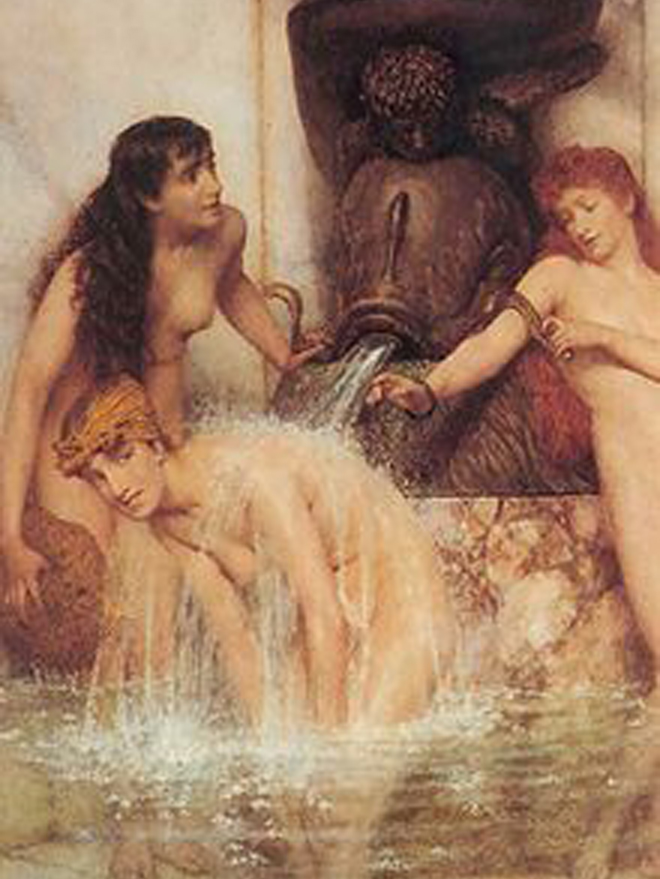
(Painting by Sir Lawrence Alma- Tadema, 1880)
Archaeological discoveries from Pompeii and Herculaneum show containers that once held emulsified mixtures of oils and milk, stabilized with beeswax. Goat milk was a preferred ingredient because its small fat molecules blended easily with oils like olive and almond, creating smooth creams that absorbed quickly into the skin.
Roman naturalist Pliny the Elder even recorded that goat milk “clarifies the skin and restores it to its most youthful softness.” His encyclopedic Naturalis Historia remains one of the richest sources of beauty knowledge from antiquity.
Mesopotamia, Persia, and Anatolia: Milk as Medicine
In Mesopotamia, one of the earliest cradles of civilization, cuneiform tablets mention salves made with animal milk to treat rashes and burns which were conditions amplified by the harsh desert climate.
Persian beauty traditions also referenced milk frequently, using it to cool overheated skin, treat persistent dryness in arid climates, balance the effects of intense sun exposure, and restore a traveler’s complexion after long journeys across desert landscapes.
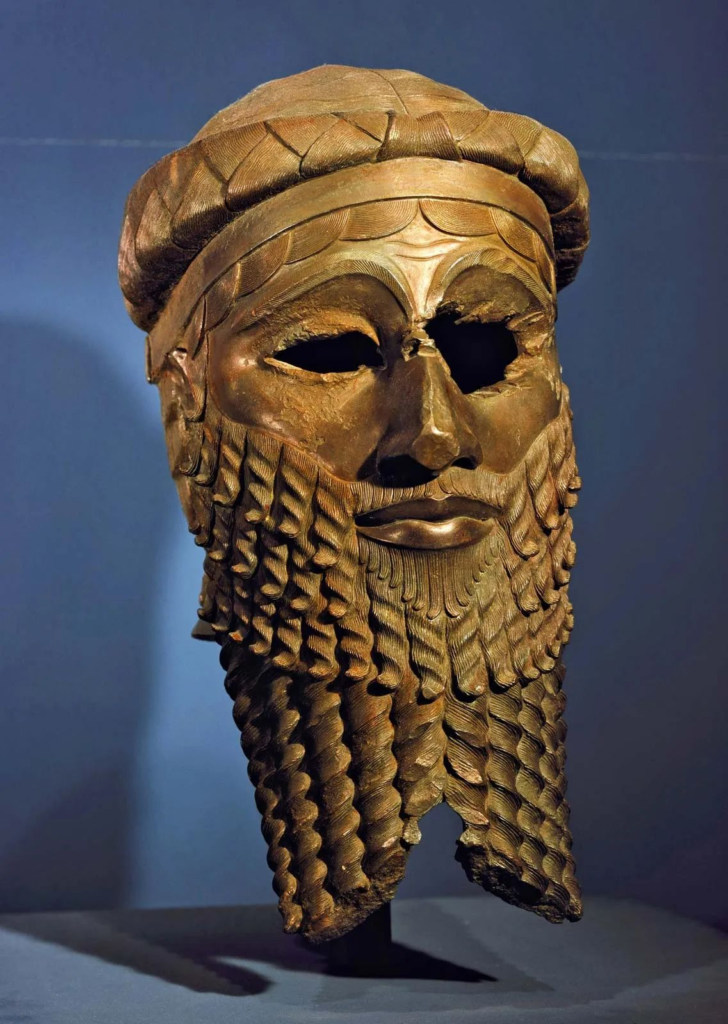
Women along ancient Anatolian trade routes used goat milk in clay masks, a practice that continued for centuries and still survives in some rural Turkish villages today.
Why Goat Milk Worked: The Science Behind the Ritual
Ancient women didn’t know the biochemical reasons goat milk transformed their skin but today we do. Modern dermatology has confirmed that goat milk is a rare ingredient whose natural composition aligns almost perfectly with human skin’s needs. How and why? Let’s dive in.
1. Lactic Acid: Nature’s Gentle Exfoliant
Goat milk naturally contains lactic acid, a member of the AHA (alpha-hydroxy acid) family. Scientific research shows that lactic acid gently lifts away dead skin cells, improves overall skin texture and radiance, smooths the appearance of fine lines, brightens dark spots with consistent use, and enhances the skin’s ability to retain moisture over time.
Ancient Egyptians felt the “softening” effect after bathing. Greeks used milk to fade sun spots. Romans found their skin brighter after weeks of treatment. They were experiencing exactly what lactic acid provides: a gentle, consistent exfoliation.
Unlike harsher AHAs like glycolic acid, lactic acid is far gentler, making goat milk suitable for even the most sensitive skin.
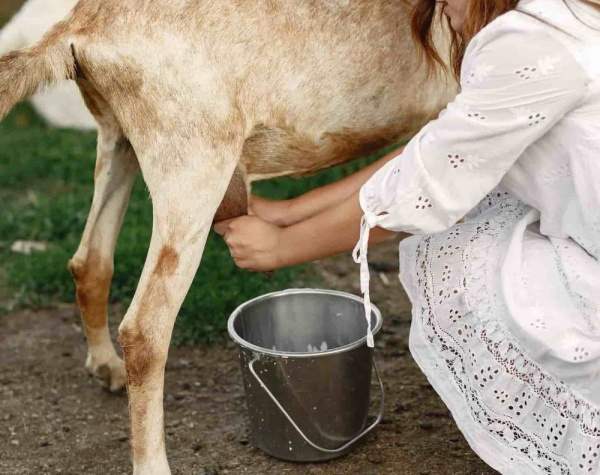
2. Ceramide-Supporting Fatty Acids
Goat milk naturally contains medium-chain fatty acids such as caprylic acid, capric acid, and oleic acid compounds that dermatology studies show are highly effective in restoring a damaged skin barrier, reducing transepidermal water loss, preventing persistent dryness, and soothing conditions like eczema and dermatitis.
This is one reason many ancient desert cultures used goat milk on skin irritated by sun, heat, and sand.
3. A pH Perfectly Matched to Human Skin
Perhaps the most remarkable property of goat milk is that its pH closely mirrors the natural pH of human skin. This gentle compatibility helps maintain the skin’s acid mantle, supports microbiome stability, promotes a smoother texture, balances oil production, and reduces irritation.
Ancient women, of course, had no scientific terminology for pH or microbiome but they intuitively understood its effects, observing that milk consistently soothed, softened, and balanced their skin with almost effortless ease.
4. A Cocktail of Skin-Loving Vitamins
Goat milk is naturally rich in skin-loving nutrients, beginning with Vitamin A, which encourages gentle cell turnover, helps reduce acne, and supports anti-aging over time. It also contains Vitamin E, a potent antioxidant that shields the skin from environmental stress and damage. The presence of Vitamin D contributes to healing and helps calm inflammation, while the various B vitamins work to strengthen the skin barrier and improve elasticity.
Adding to this powerful profile is selenium, a mineral known for protecting the skin from UV damage. With all of these components working together, it makes sense that ancient women noticed their skin becoming smoother, stronger, and naturally more radiant the longer they used goat milk in their beauty rituals.
5. Anti-Inflammatory & Anti-Microbial Proteins
Modern research reveals that goat milk is rich in bioactive proteins and peptides that naturally reduce redness, soothe acne-prone skin, calm inflammation, and even prevent bacterial overgrowth without stripping the skin’s moisture.
These gentle yet effective actions mirror how ancient cultures used goat milk for a wide range of skin concerns, including rashes, burns, irritation, and post-sun sensitivity. In many ways, goat milk functioned as an early form of healing skincare.
How Ancient Women Used Goat Milk: Rituals, Recipes & Symbolism
1. Milk Baths
Across Egypt, Greece, and Rome, the milk bath stood as one of the most iconic beauty rituals of the ancient world. Far from being a simple indulgence, it was a carefully crafted treatment that blended luxury with symbolism. A typical ancient milk bath featured warm goat milk, chosen for its soothing and restorative qualities, blended with honey for moisture, rose petals for softness, and aromatic oils such as lotus, neroli, or myrrh. To deepen the therapeutic effect, powdered herbs or resins were often added, infusing the water with both fragrance and medicinal benefits.
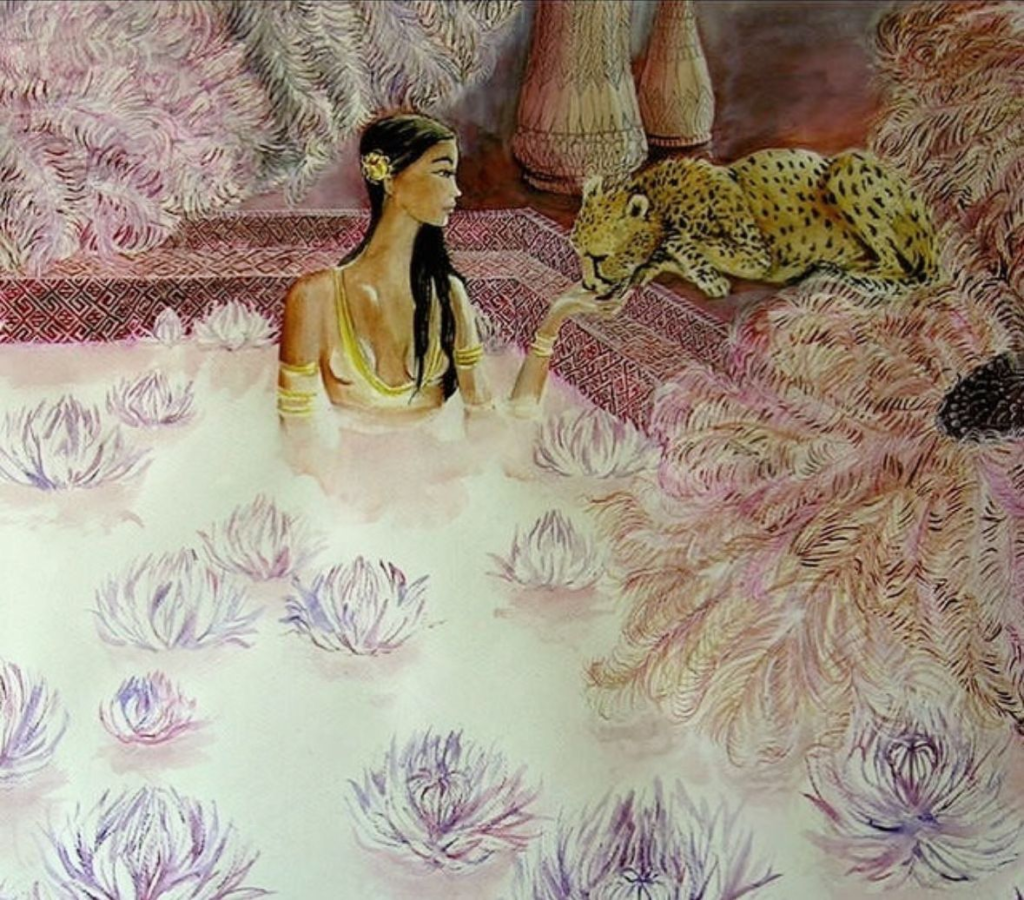
Beyond its beautifying properties, the milk bath carried deep symbolic meaning. It represented both physical purification and emotional or spiritual renewal, making it a ritual of transformation rather than just self-care. In Egypt, priestesses often bathed in milk before religious ceremonies to symbolize rebirth and spiritual cleansing. In Rome, brides traditionally soaked in milk the night before their weddings, seeking not only smoother, softer skin, but also the culturally valued “purity of appearance” that the ritual symbolized.
2. Clay & Milk Face Masks
Across many ancient civilizations, milk-based face masks were a shared beauty ritual, evolving into some of the earliest forms of skincare treatments. These masks were typically crafted from a blend of red or white clay which helped absorb excess oil and purify the skin, combined with goat milk to soften, hydrate, and balance the complexion.
Healers and women of the household often enhanced these mixtures with charcoal ash for deep detoxification, along with crushed mint, sage, or thyme to provide cooling, antibacterial, and aromatic benefits. Rosewater was frequently added as well, bringing a delicate fragrance while calming inflammation and refreshing tired skin.
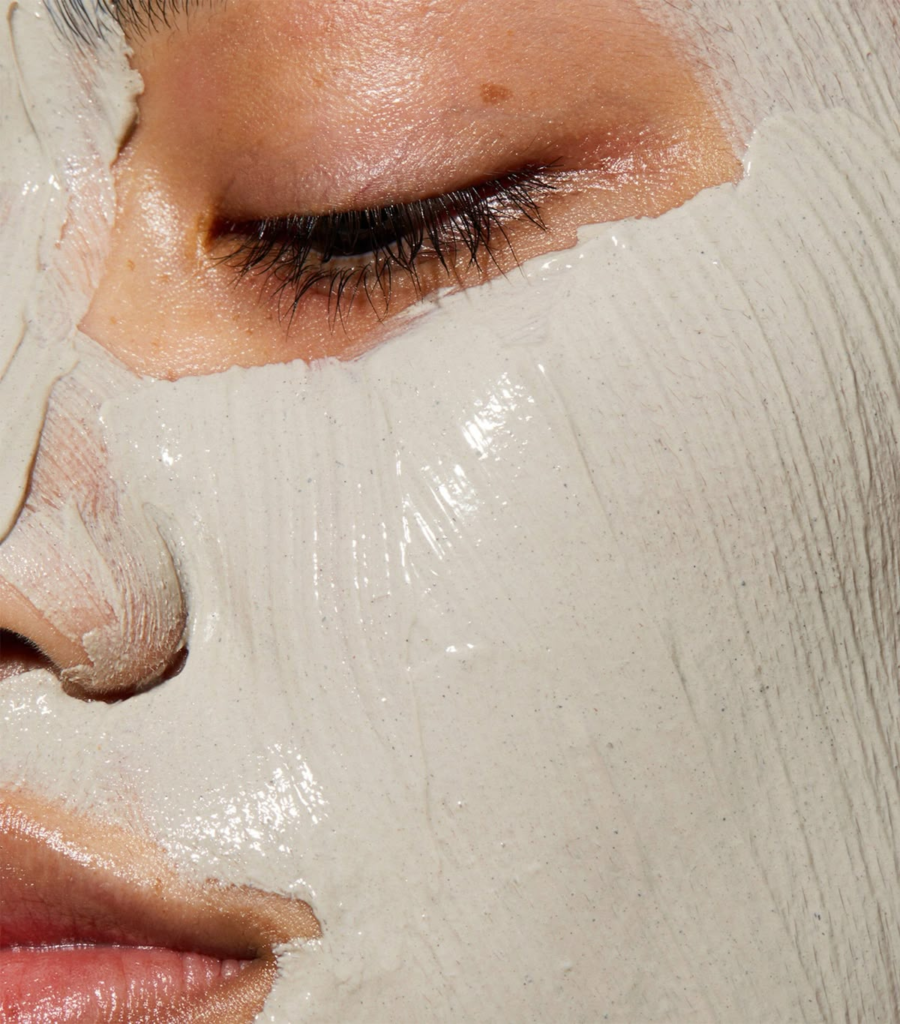
These masks served several purposes: tightening pores, brightening a dull complexion, cooling overheated skin after long days under the sun, and drawing out impurities accumulated from dust, heat, and early cosmetics. What’s remarkable is how many of these ancient formulas echo through modern natural skincare. Clay masks infused with milk, herbs, and floral waters remain popular today, proving that the wisdom of ancient beauty rituals was both practical and surprisingly ahead of its time.
Even Cleopatra was known to favor these kinds of milk-and-clay face masks, and if you’d like to recreate her famous ritual yourself, don’t miss my post on Cleopatra’s Milk and Honey Face Mask Recipe.
3. Cleansing Balms
Long before soap existed, ancient people relied on emulsified blends of milk and natural oils to lift away dust, kohl, and sweat at the end of the day. Goat milk was especially prized because its unique fat and protein structure binds to impurities without stripping the skin, creating a creamy cleanser that dissolved grime while leaving the face soft and balanced.
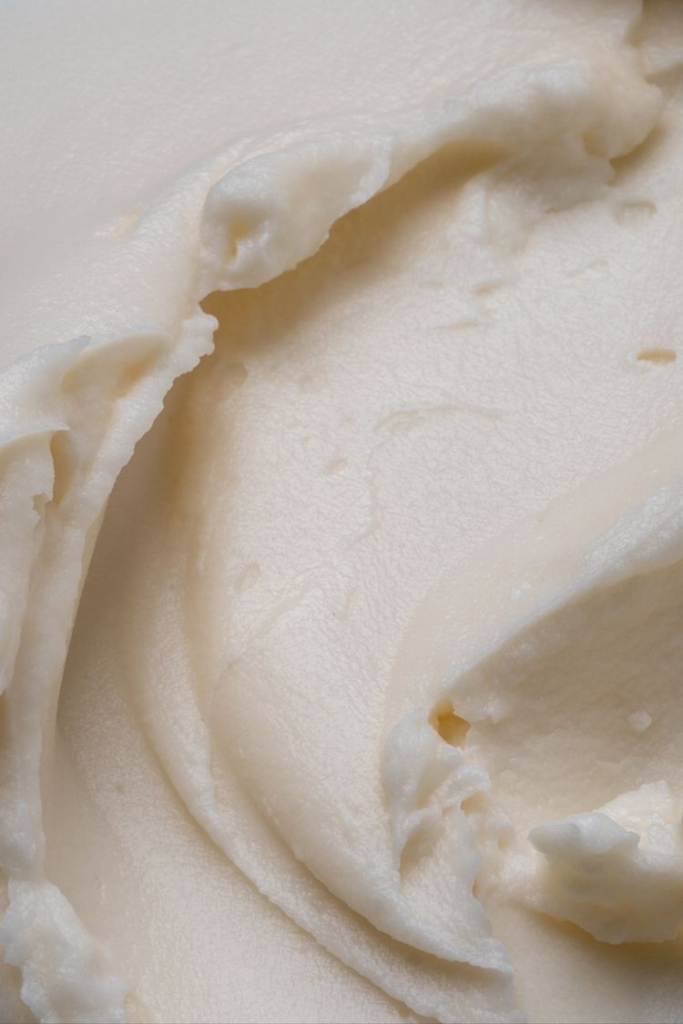
In many ways, these early milk cleansers were the ancestors of today’s cleansing balms and milky makeup removers. Think of it as an ancient 2-in-1 formula. A cleanser that removed dirt as effectively as a primitive soap, yet never stripped the skin. Instead, it left the face moisturized, supple, and naturally balanced, functioning as both a wash and a nourishing cream in one.
4. Healing Creams and Poultices
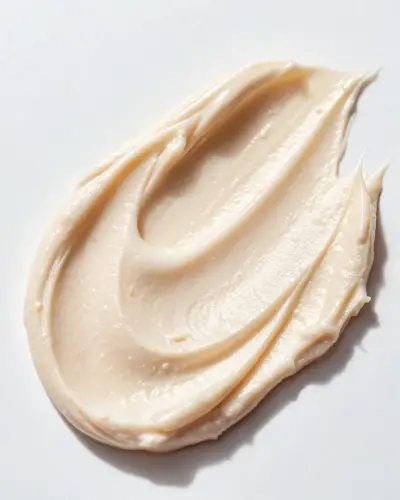
Goat milk was often blended with aloe gel, raw honey, mashed figs, crushed herbs, and finely powdered minerals to create soothing medicinal treatments. These mixtures were applied to areas irritated by desert winds, intense sunlight, or minor injuries. The aloe cooled overheated skin, the honey provided natural antibacterial protection, and the figs added sugars that hydrated and softened rough patches. Do not even worry, we will talk all about these ingredients soon.
When combined with the fatty acids and proteins in goat milk, the result was a calming, reparative paste that helped heal small wounds, reduce redness, and restore moisture. Ancient healers used these mixtures for everything from sunburn relief to treating cracked heels and hands which was a gentle, effective remedy long before modern skincare existed.
5. Milk-Infused Perfumed Oils
Some of the most luxurious oils of antiquity began their journey not as pure plant oils, but as blends gently infused with goat milk. Artisans would heat the milk with oils such as moringa, almond, or sesame, allowing the fats, proteins, and subtle sweetness of the milk to bind with the oil. Then the mixture was slowly clarified, a process in which the milk solids were removed, leaving behind an enriched, velvety oil with a noticeably smoother texture and a soft, creamy aroma.
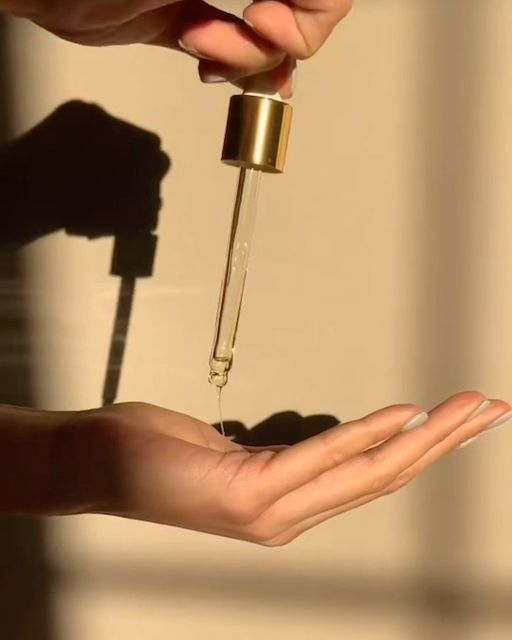
Once clarified, this base was mixed with prized resins like myrrh, frankincense, or benzoin, transforming it into a silky cream or balm used by noblewomen during their daily grooming rituals. These enriched oils glided onto the skin, offering hydration, fragrance, and a protective layer against the harsh climate. In elite circles of Egypt, Persia, and Rome, such creams signified refinement and status, embodying both beauty and luxury in a single handcrafted product.
Goat Milk in Modern Beauty: Why It Still Matters
The modern resurgence of goat milk in skincare is far more than a passing trend. It is a return to a ritual that has quietly proven its value for nearly five thousand years. As consumers move away from harsh synthetics and complicated routines, goat milk has re-emerged as one of the most trusted ancestral ingredients, bridging ancient wisdom with modern dermatology.
Today, women (and men) choose goat milk because it is genuinely effective and feels luxurious. It is naturally gentle, deeply nourishing, and uniquely compatible with the skin’s microbiome. Dermatologists praise its lactic acid content for its mild exfoliating and anti-aging properties, while its fatty acids and vitamins support barrier repair and long-term hydration. What ancient civilizations observed through experience is now backed by scientific studies.
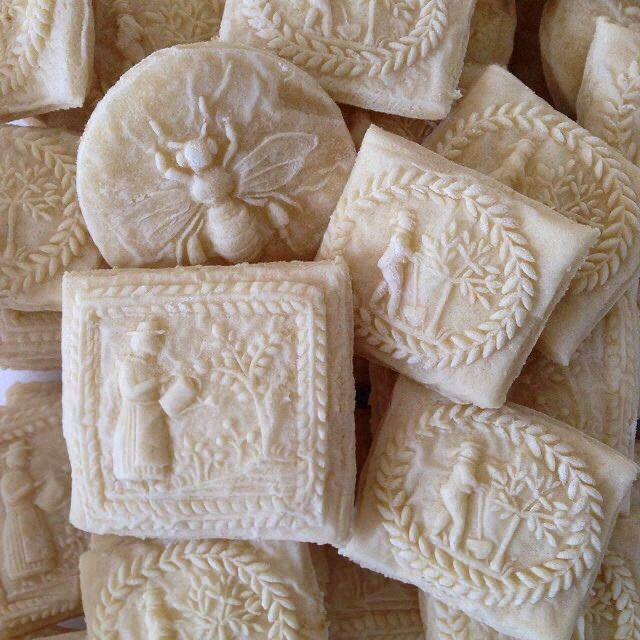
Because of this, goat milk has become a foundational ingredient in cleansers, creams, masks, balms, and even solid soaps designed for sensitive skin. Its simplicity makes it ideal for minimalist and ancestral-inspired skincare routines, especially for people who are avoiding fragrances, heavy preservatives, or overly complicated formulas.
Goat milk is particularly loved by those who struggle with eczema, dermatitis, chronic dryness, and persistent redness. Its soothing, anti-inflammatory proteins help calm irritation without stripping the skin. For individuals who react easily to synthetic skincare, goat milk often feels like the first product their skin can genuinely tolerate and benefit from.
Because its pH and lipid structure align so closely with human skin, goat milk offers a kind of universal compatibility. Whether used for glow, healing, softness, or pure comfort, it continues to prove why ancient beauty rituals built entire routines around it and why modern skincare is finally circling back.
Final Thoughts of an Archaeologist: Goat Milk for Skin
Few beauty traditions can claim a continuous 5,000-year history. Goat milk can.
It flowed through the bathhouses of Egypt, the healing temples of Greece, the villas of Rome, and the perfumed chambers of Persian queens. Today, it stands at the intersection of ancient wisdom and modern skincare science.
Have you noticed how every major beauty brand suddenly has a “milk” product in their lineup? Milk toners, milk cleansers, milk serums… I’ve even spotted milk sunscreen. It’s not just clever marketing. There’s a reason the industry is rediscovering these formulas: milk-based skincare, especially goat milk, genuinely works. Ancient civilizations knew it, and modern dermatology is simply catching up.
If you’re curious, try it for yourself. You have nothing to lose. A simple blend of goat milk, aloe vera, and honey already makes a soothing, hydrating treatment. You don’t even need to craft a full DIY recipe if that feels too much. Just mix a little goat milk into your moisturizer (in a separate container so it doesn’t spoil the whole jar) and watch how your skin responds over the next few days.
Sometimes the simplest, oldest ingredients are the ones that deliver the most noticeable results. Sometimes you don’t even have to break the bank to get amazing, glowing skin.
Sources & Further Reading
• History of Natural Ingredients in Cosmetics
Cosmetics (MDPI), Vol. 10, 2023.
• Milk Vessels in Ancient Egypt
Journal of the General Union of Arab Archaeologists.
• Aesthetic Dermatology in Ancient Egypt
Egyptian Dermatology Online Journal.
• Chemical Analysis of Ancient Medicinal and Cosmetic Mixtures
Archaeological & Anthropological Sciences, Springer, 2020.
• Dairy Products in Ancient Rome
OANNES: International Journal of Ancient History.