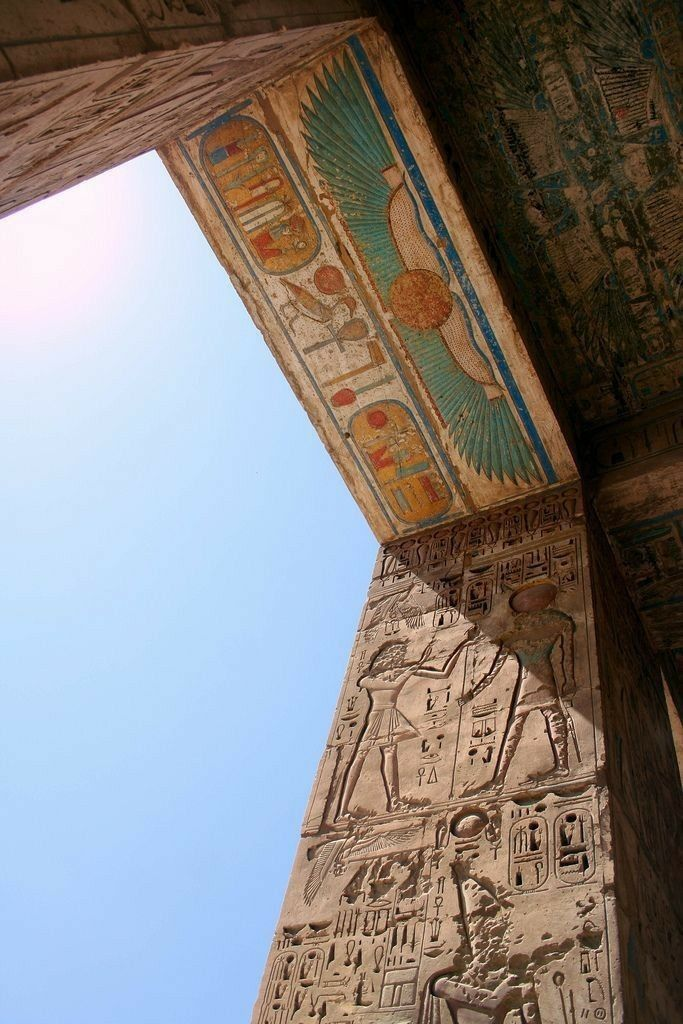
Think of Ancient Egypt. Where does your mind often wander? To golden headdresses catching the sunlight, flowing linen gowns dancing in the desert breeze, dramatic kohl-lined eyes that could pierce through centuries and skin so smooth it seemed to glow under the blazing sun? (Or, for some of us, the mental picture is forever tied to The Mummy film from 1999.)
Cleopatra, of course, remains one of the most enduring beauty icons in history. She was the kind of woman who could rival Marilyn Monroe in a battle for timeless allure. But here’s the truth: behind that legendary façade of perfection, ancient Egyptians struggled with many of the same skincare woes we do today, acne included. In fact, it’s not too far-fetched to imagine Cleopatra herself groaning over a few untimely breakouts during her cycle, feeling just as frustrated and self-conscious as we might on those less-than-perfect skin days.

While they didn’t have the word “acne” in their vocabulary, they certainly understood the frustration of blemishes, redness, and stubborn breakouts. And, as with everything else in their lives, they approached the problem with a blend of science, nature, and ritual.
In this article, we’ll explore authentic Ancient Egyptian acne remedies, diving into the ingredients they used, their skincare rituals, and two easy DIY recipes you can recreate at home. Think of it as a little trip through history with a bonus face mask or two at the end.
What Was Acne to the Ancient Egyptians?
While they didn’t have dermatology textbooks or pore-clearing serums lined up on a bathroom shelf, the ancient Egyptians were far from clueless when it came to skin troubles. Pimples, redness, and mystery rashes were very much a part of their world. They simply called them “skin eruptions” or “blemishes” in their medical records.
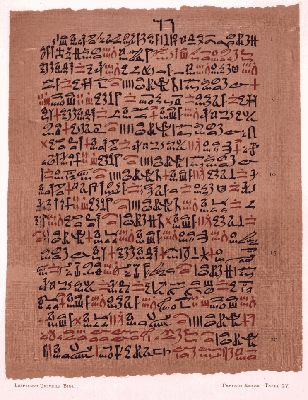
One of the most fascinating sources we have is the Ebers Papyrus, a massive scroll dating back to around 1550 BCE. The Ebers Papyrus was essentially a medical encyclopedia of its time, filled with hundreds of remedies for everything from dental pain to stomach issues, and yes, skin complaints. Among its many entries are recipes aimed at calming what we’d now call acne or clogged pores.
The descriptions were often poetic rather than clinical, speaking of “skin that is hot” or “spots like lentils.” Yet, beneath the flowery language, it’s easy to recognize the same problems we see in the mirror today. Their solutions combined ingredients with antibacterial powers, gentle exfoliants, and soothing plant extracts, the kind of thoughtful, nature-based approach that modern skincare brands love to market as a “new discovery.” In reality, the Egyptians had already figured out that bacteria, inflammation, and blocked pores were at the heart of the problem. They just explained it with a little more poetry and mystery.
Common Ingredients in Ancient Egyptian Acne Remedies
Ancient Egyptian beauty recipes were far from random kitchen experiments. Every ingredient was chosen with purpose, often backed by generations of observation and experience. These were thoughtful blends of nature’s best minerals, plants, and oils. Each selected for its specific benefit to the skin. And here’s the fun part: many of these same ingredients are still found in our modern skincare routines today, only now they come dressed up with scientific jargon and sleek packaging.
You know that skincare brand that swears by honey in every single product? Or the one marketing a “revolutionary” milk cleanser and milk toner like they’ve just discovered gold? Some even bottle aloe vera gel and sell it for a hundred bucks when we could just grow the plant at home and scoop it out fresh. The truth is, these so-called innovations are anything but new.
The ancient Egyptians were using these same ingredients thousands of years ago, and they didn’t need fancy packaging to know they worked. So, let’s take a closer look at the common ingredients in Ancient Egyptian acne remedies and why they’re still worth keeping in our beauty routines today.
1. Honey
If you’ve been hanging around my blog for a while, you’ve probably noticed one ingredient that keeps making an appearance: honey. And no, it’s not because I’m running out of ideas, it’s because honey truly was (and still is) a miracle worker.
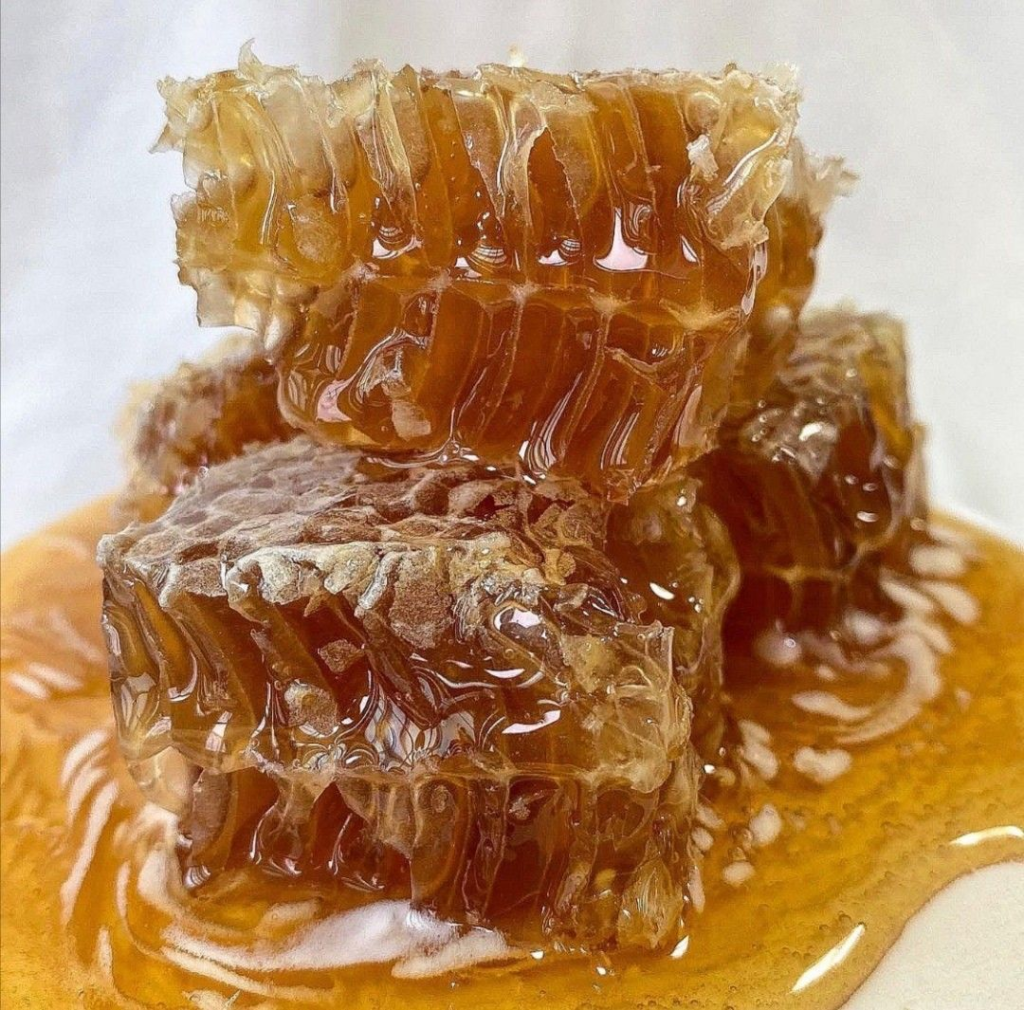
Back in ancient civilizations, it was the ultimate skincare superstar. Naturally antibacterial and loaded with antioxidants, honey helped prevent infections, speed up healing, and calm angry, inflamed skin. The Egyptians loved it so much they’d slather it straight onto blemishes or blend it with other natural ingredients to create soothing, skin-loving masks.
2. Aloe Vera
Aloe vera wasn’t native to Ancient Egypt, which only made it more precious. In fact, they valued it so highly they called it the “plant of immortality.” Its reputation as a skin savior stretches back thousands of years. The Egyptians would slice open its thick green leaves and use the cooling gel inside to calm redness, heal wounds, and keep skin hydrated.
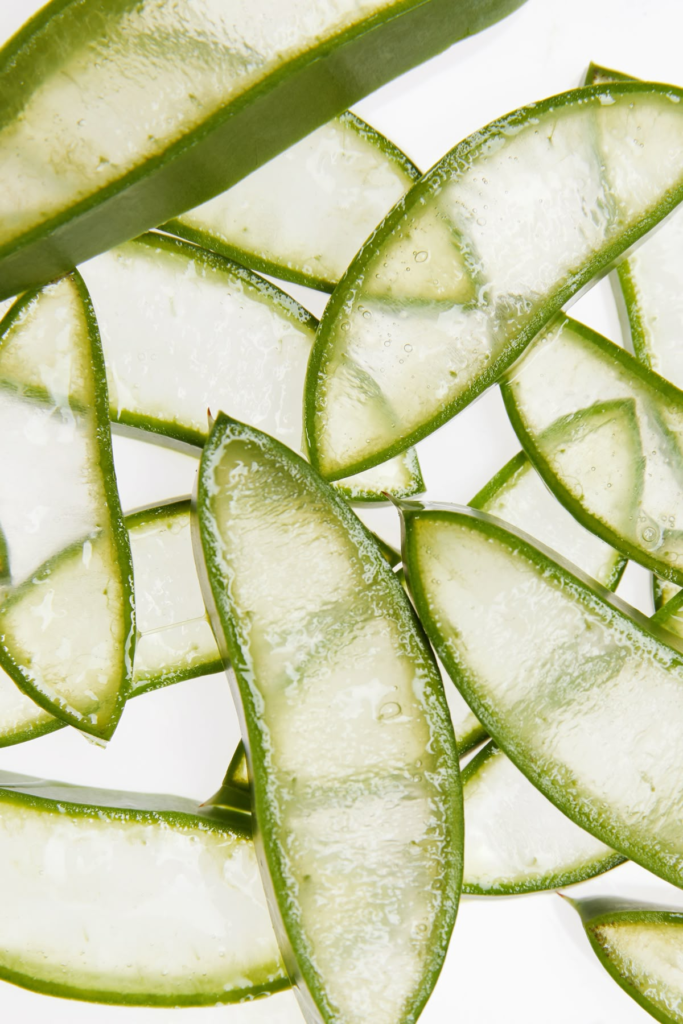
Personally, I swear by the fresh stuff straight from the plant. I use it to soothe stubborn mosquito bites, take the sting out of sunburns, and soften dry, cracked skin. It’s one of those timeless remedies that still works just as beautifully today as it did in ancient times.
3. Natron
Natron, a naturally occurring mineral salt made up of sodium carbonate and baking soda, was a key ingredient in ancient Egyptian skincare routines (and mummification). Known for its cleansing and mild exfoliating properties, natron helped remove excess oils and gently sloughed away dead skin cells.
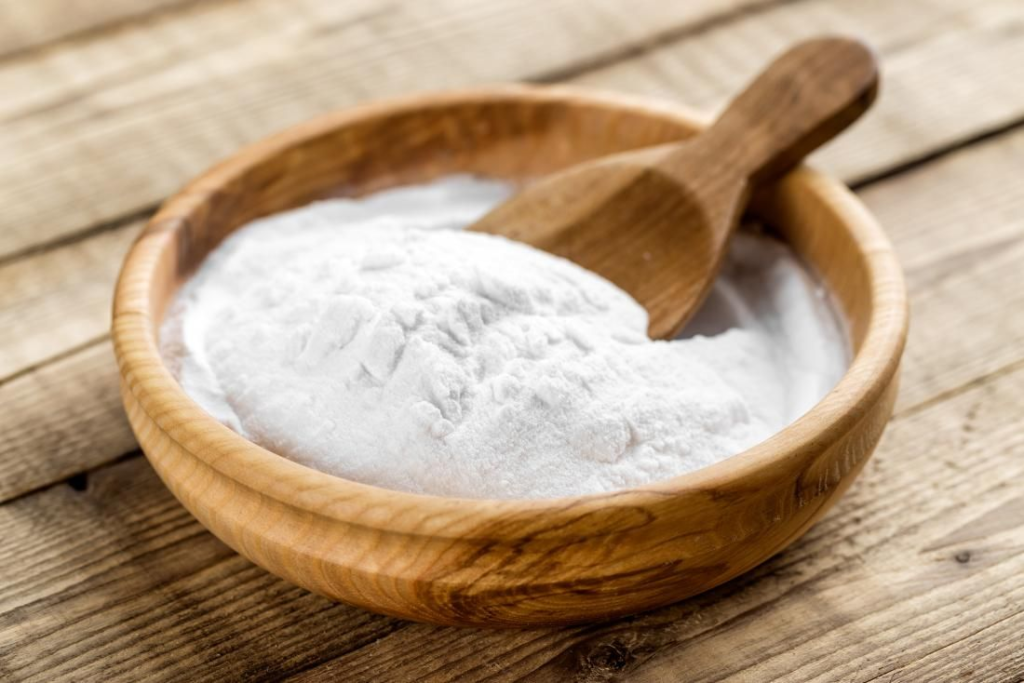
By keeping the skin clear of dirt and impurities, it played an important role in preventing the clogged pores and breakouts we now recognize as acne. This simple yet effective natural exfoliant was one of the many ways the Egyptians maintained their famously radiant skin.
4. Milk
If you’ve been following my blog for a while, you’ve probably noticed I’m a big fan of DIY recipes featuring milk, too. Especially when paired with honey. And there’s a good reason for that. Milk is naturally rich in lactic acid, which makes it a gentle yet effective exfoliant that helps shed dead skin cells and reveal a fresher, smoother complexion underneath.
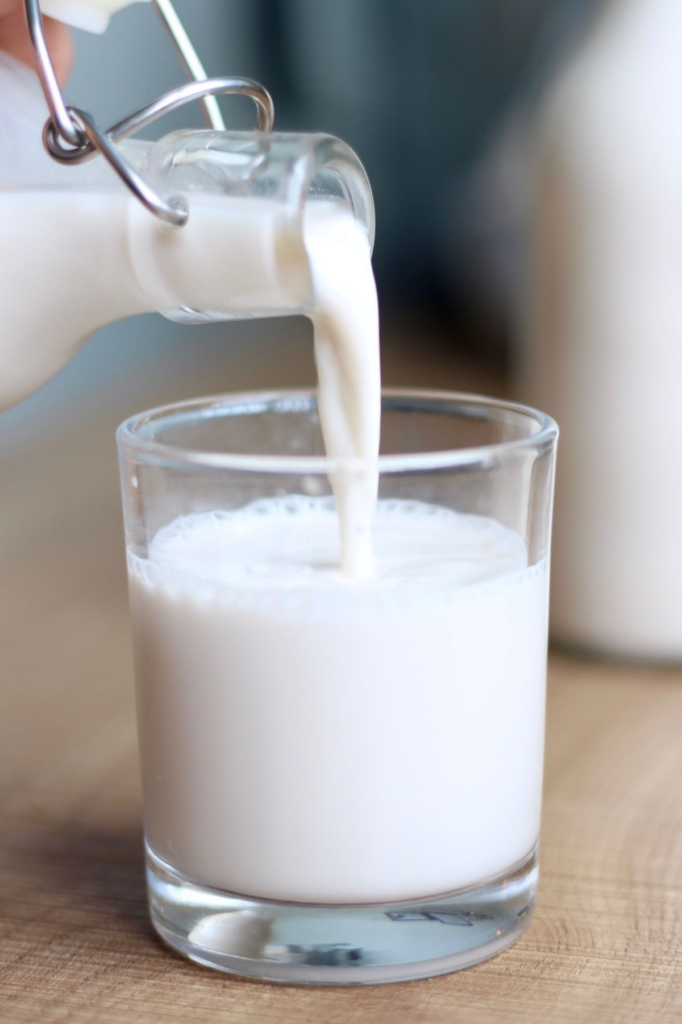
Cleopatra’s legendary milk baths weren’t just about indulgence; they were a key part of her daily skincare routine, a secret to maintaining that famously flawless glow. So when you use milk in your DIY skincare, you’re tapping into centuries-old beauty wisdom that really works. Don’t miss out my DIY Cleopatra’s Milk Bath at Home article and also Cleopatra’s Milk and Honey Face Mask Recipe.
5. Clay
Mineral-rich clay sourced from the banks of the Nile was a prized ingredient in ancient Egyptian skincare. Applied as a face mask, this natural clay worked wonders by drawing out impurities, toxins, and excess oils from deep within the pores. Acting as a gentle yet powerful detox, it helped keep the skin clear and balanced, preventing the kind of buildup that leads to breakouts and congestion.
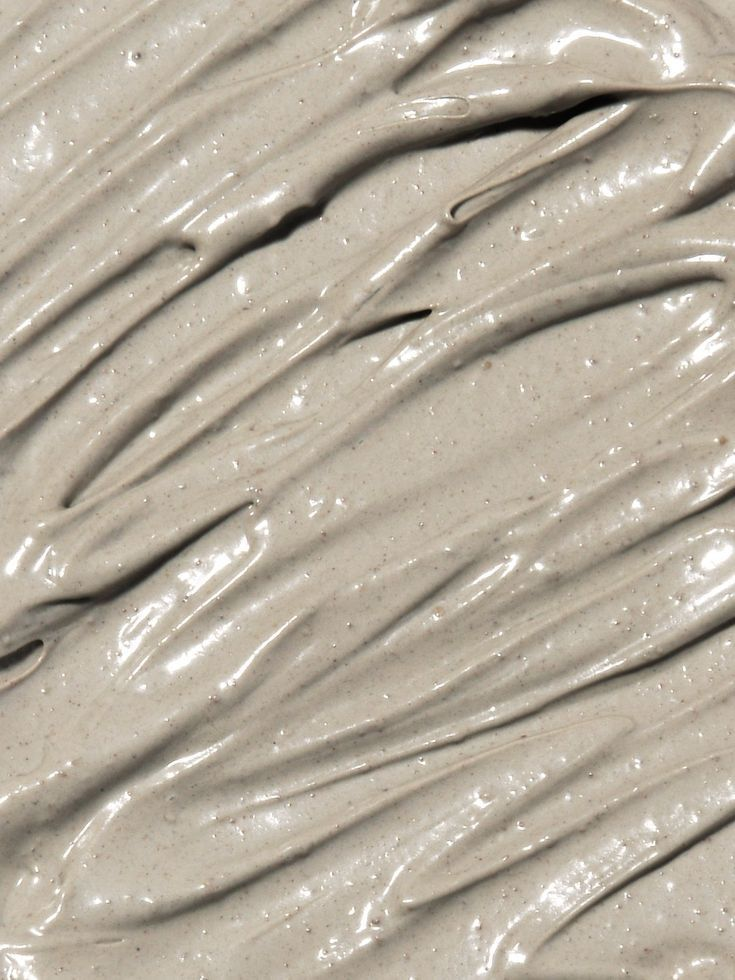
Today, clay masks remain a staple in skincare, but just as in ancient times, where your clay comes from still matters especially when it comes to tackling skin flaws and acne. The mud and clay from the Nile River were famously loved for their unique mineral composition and detoxifying powers. So when you’re choosing a clay mask today, think about its origin because not all clays are created equal.
6. Herbs & Essential Oils
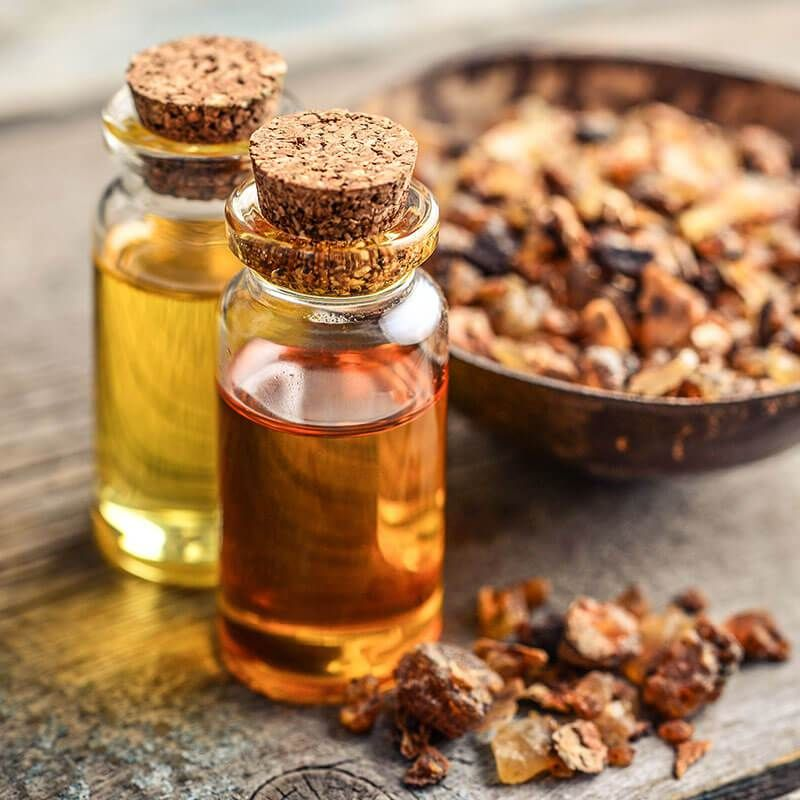
Frankincense and myrrh were much more than just exotic fragrances in ancient Egypt. These resins played an important role in soothing irritated skin and fighting the bacteria that can cause breakouts. Alongside them, herbs like fenugreek and coriander seeds frequently appeared in ancient acne remedies, valued for their calming effects and ability to reduce redness. Together, these natural ingredients formed a potent part of the Egyptians’ approach to maintaining clear, healthy skin.
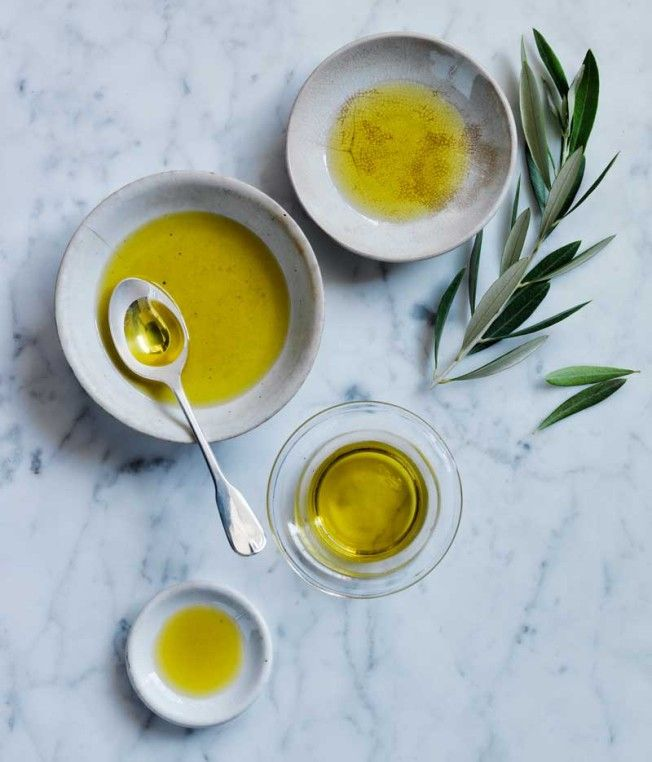
7. Olive Oil
When you’re treating acne, keeping your skin properly moisturized is just as important as cleansing it. Ancient Egyptians knew this well, and olive oil was one of their favorite natural moisturizers. It nourished and protected the skin’s natural barrier without overwhelming it or stripping away the essential oils your skin produces on its own. This kind of gentle hydration helped keep the skin soft, supple, and perfectly balanced.
DIY Ancient Egyptian Acne Recipes
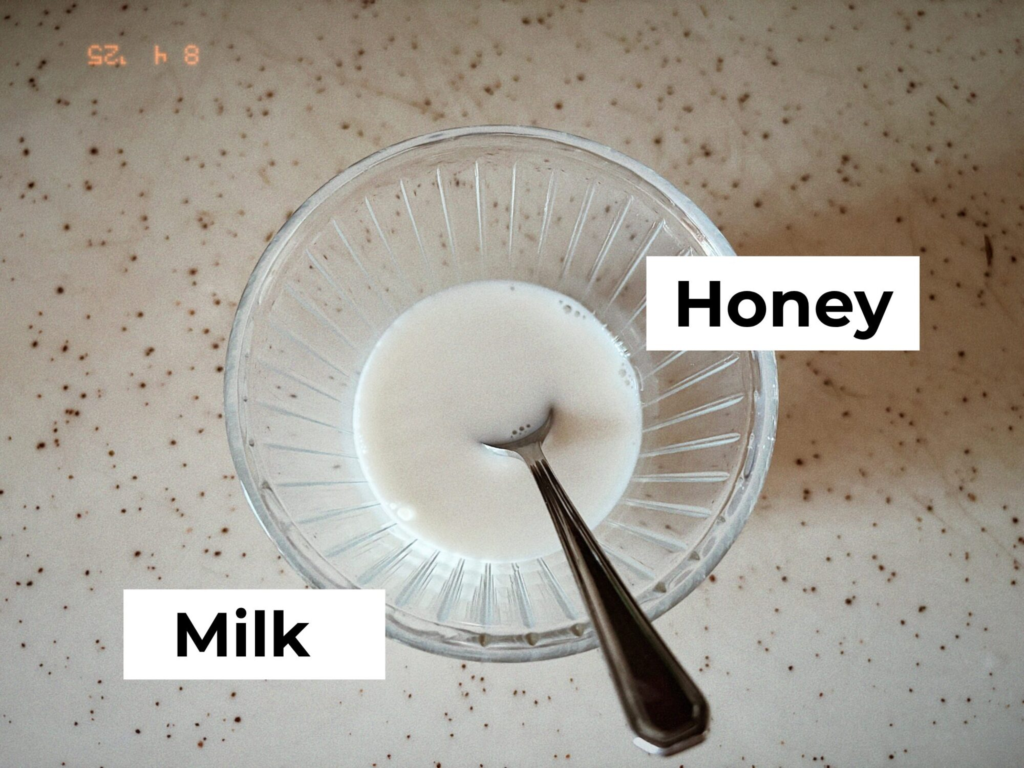
DIY Recipe 1 – Ancient Egyptian Honey & Milk Acne Mask
Ingredients:
- 1 tablespoon raw honey
- 1 teaspoon whole milk (goat’s milk if available)
- A pinch of ground coriander seed (optional, for extra antibacterial power)
Method:
- In a small bowl, mix the honey and milk until you have a smooth blend.
- Add coriander powder and stir until fully combined.
- Apply the mixture to your clean face or body, focusing on acne-prone areas.
- Leave for 15 minutes, then rinse with lukewarm water.
- Pat dry and follow with a light moisturizer.
Why it works:
Honey naturally fights acne-causing bacteria, while milk gently exfoliates and nourishes the skin with its lactic acid. Coriander adds soothing anti-inflammatory benefits, making this a soft, nurturing treatment that helps calm irritation and leaves your skin feeling refreshed and balanced.
DIY Recipe 2 – Aloe & Clay Anti-Blemish Paste
Ingredients:
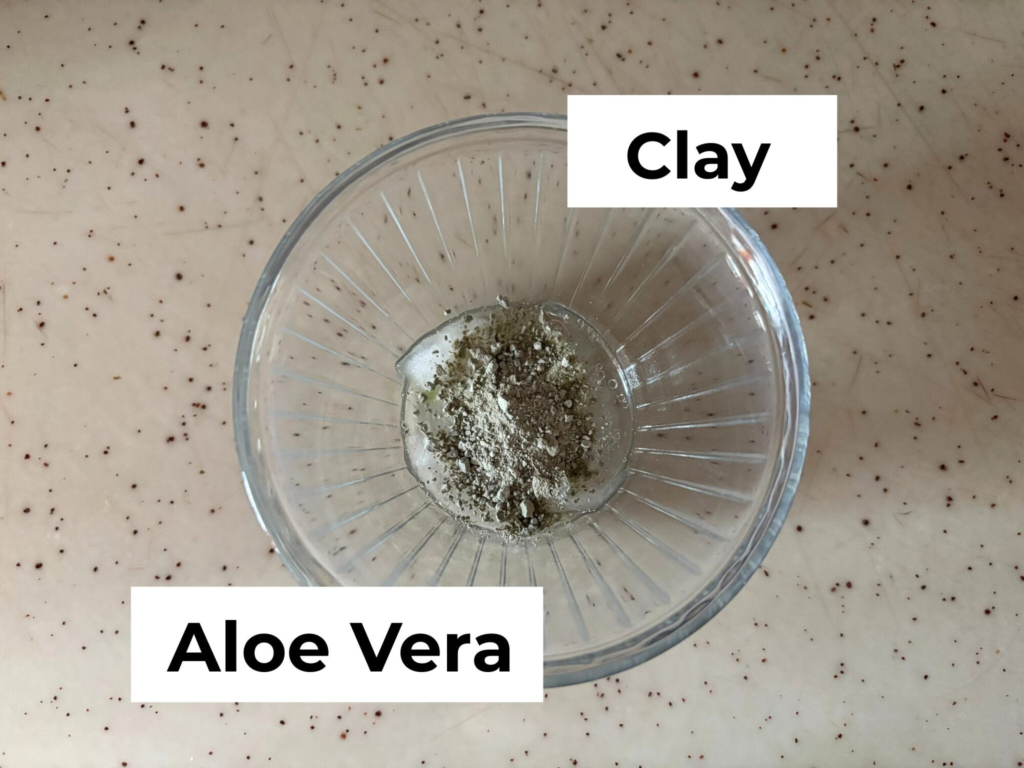
- 1 tablespoon aloe vera gel (fresh if possible)
- 1 tablespoon bentonite or kaolin clay
- 1 drop frankincense essential oil (optional)
Method:
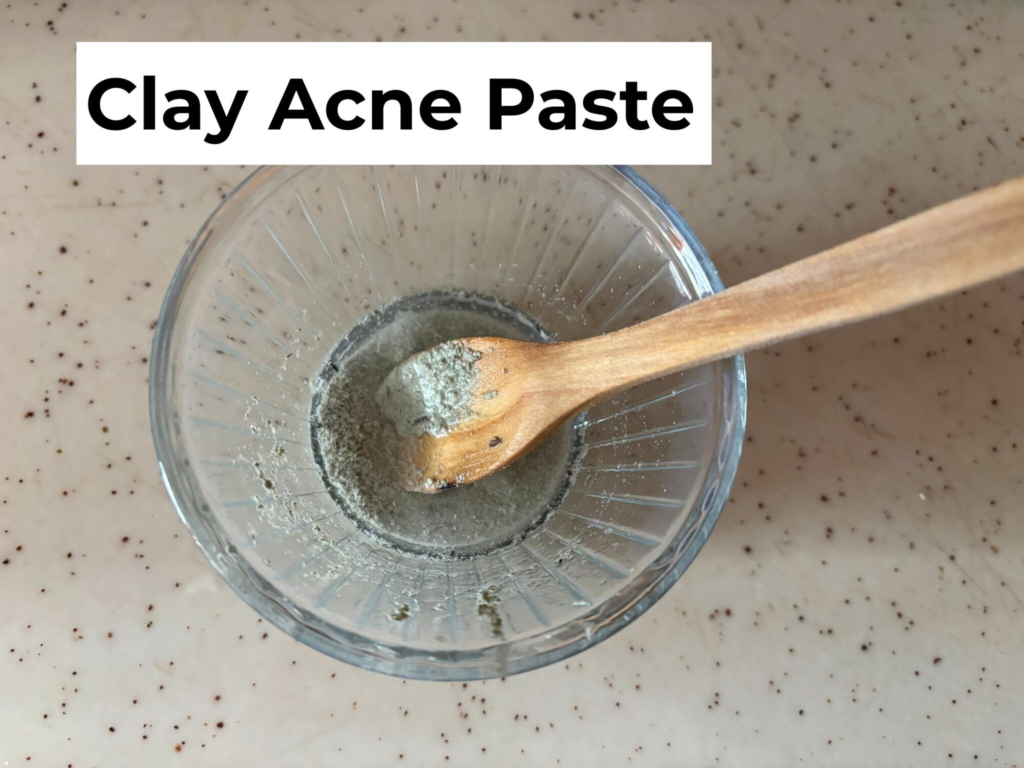
- Mix aloe vera gel and clay until you get a smooth paste.
- Add frankincense oil if desired, and stir well.
- Apply directly to blemishes or over oily areas.
- Leave on for 10 minutes (don’t let it dry to the point of cracking).
- Rinse with cool water and pat dry.
Why it works:
Aloe vera soothes redness and inflammation, while clay gently draws out impurities and excess oil from clogged pores. Frankincense contributes powerful antibacterial and healing properties, making this blend ideal for calming sudden breakouts with a gentle yet effective touch.
DIY Recipe 3 – Natron & Honey Deep-Cleansing Face Scrub
Ingredients:
- 1 tablespoon natron (or baking soda as a modern substitute)
- 1 tablespoon raw honey
- 1 teaspoon olive oil
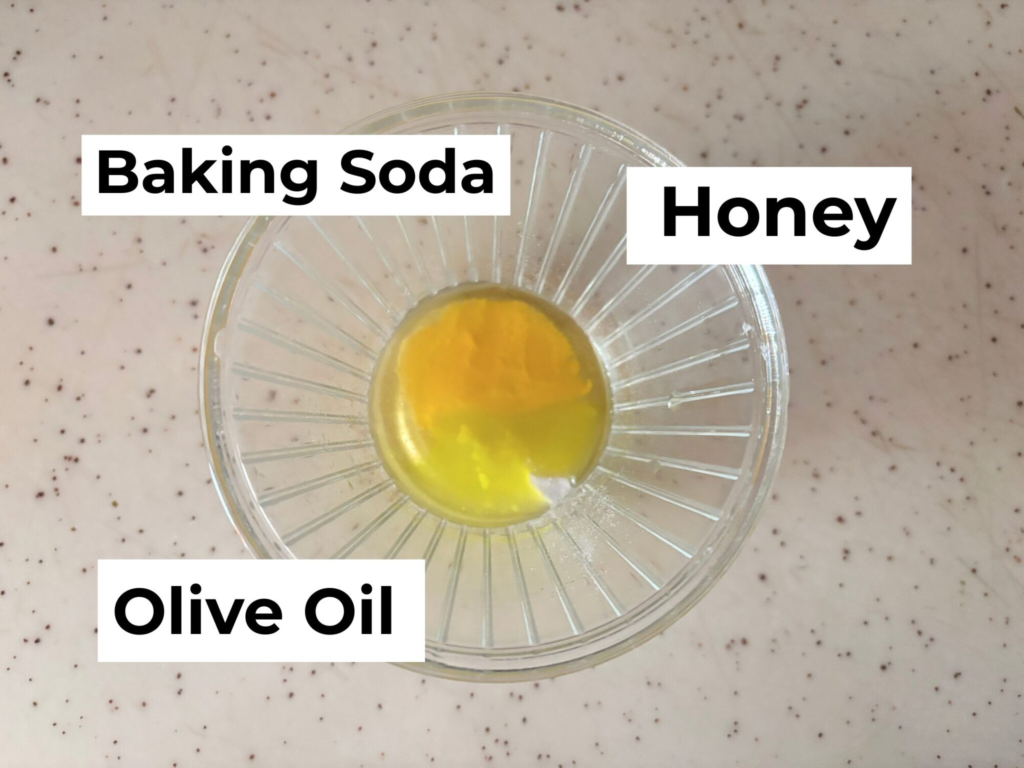
Method:
- In a small bowl, mix the natron and honey until combined.
- Add the olive oil and stir to create a thick, spreadable paste.
- Gently massage the mixture onto damp skin using circular motions, focusing on acne-prone areas.
- Leave it on for 5–10 minutes as a mask, then rinse thoroughly with warm water.
- Follow up with a light moisturizer.
Why it works:
Natron acts as a natural cleanser and gentle exfoliant, helping to remove excess oils and dead skin that clog pores. Honey provides antibacterial and soothing benefits, while olive oil moisturizes and protects the skin’s barrier. Together, they create a powerful, natural treatment that cleanses deeply without stripping the skin. Perfect for keeping acne under control.
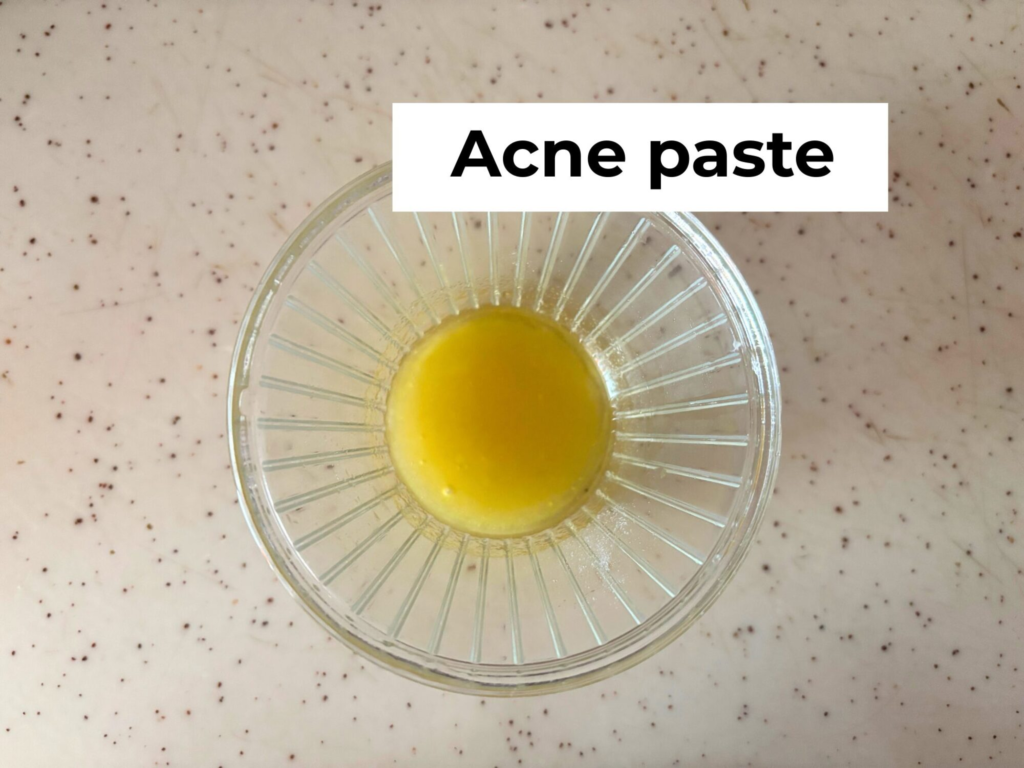
I tried: Did These Ancient Recipes Worked for Me
I couldn’t resist trying some of these ancient Egyptian acne remedies myself. Honestly, I always test them first because, well, why? For your safety of course. Plus, I genuinely enjoy the process. I started with the honey and milk mask, and honestly, it felt incredibly soothing on my skin. It was gentle, hydrating, and calmed redness almost immediately. But here’s the surprise: your skin feels really tight during and even afterward which is a good thing, seriously. You wouldn’t expect that from just milk and honey. The natural exfoliation left my skin noticeably softer and brighter the next day.
As for the aloe and clay mask, this quickly became one of my favorites for tackling stubborn breakouts. It cooled inflammation and helped shrink a few pimples without causing any dryness or irritation which I absolutely loved. I especially recommend it around your period, ladies, when breakouts tend to flare up.
Then there’s the natron (or baking soda) and honey mask, which might just be my second favorite. Seriously, I can’t decide which I like better because I actually use baking soda as part of my daily acne routine. I’d say the milk and honey mask feels more soothing and nurturing, while the aloe and clay and natron and honey masks feel more like active fighters against acne.
How the Ancient Egyptians Treated Acne
Ancient Egyptians tackled acne with a thoughtful blend of daily rituals and natural remedies. Their skincare routine (and we assume they called it purification, not a skincare routine) most likely began with cleansing using natron, a natural mineral salt, mixed with water to gently wash away dirt, oil, and impurities without irritating the skin. This helped prevent clogged pores and breakouts.
For calming inflamed skin, we believe they applied soothing masks made from honey, aloe vera, and mineral-rich Nile clay. Honey’s antibacterial power reduced infection, aloe vera soothed redness, and clay drew out toxins while controlling excess oil.
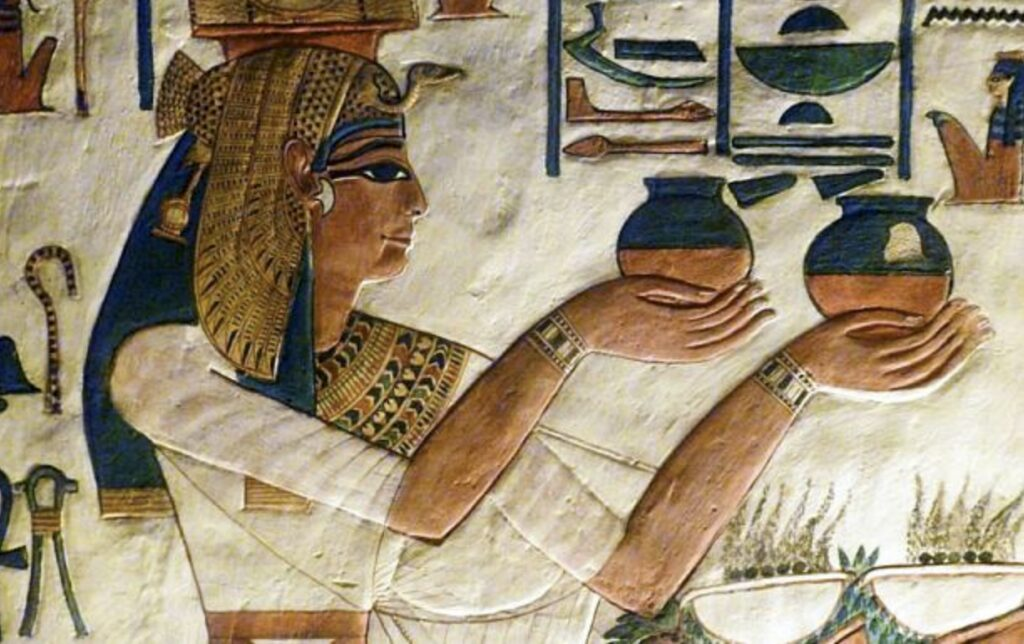
When dealing with stubborn pimples, targeted treatments featuring frankincense, myrrh, and herbs like fenugreek and coriander helped reduce inflammation and speed healing. To maintain skin hydration without causing breakouts, they used olive oil sparingly, protecting the skin’s natural barrier.
Beyond topical care, they believed that cleanliness, diet, and overall health played a role in clear skin, emphasizing a balanced lifestyle to support their beauty from the inside out.
Final Thoughts of an Archaeologist: Ancient Egyptian Acne Remedies
From the banks of the Nile all the way to your bathroom today, the basic principles of treating acne haven’t changed much: gently cleanse, soothe inflammation, and nourish your skin using the gifts of nature. In fact, many of the skincare practices we see in modern cosmetics are rooted in the wisdom of ancient civilizations that observed what really worked.
That said, a quick reminder: if you’re dealing with serious acne, it’s important to follow your dermatologist’s advice and keep using any prescribed medications or topical treatments. Don’t stop your doctor-recommended routine without consulting them first. These ancient-inspired remedies can be a gentle, natural complement to your existing treatment, helping support your skin alongside modern medicine.
What sets us apart from Ancient Egypt today is the advantage of advanced technology and pharmaceutical science, which allow us to formulate treatments with precision and safety but the foundation still comes down to caring for your skin in a way that’s both effective and nurturing.
Thank you for reading up until here. You would love to check my other artciles Natural Ingredients Ancient Egyptians Used in Skincare and Homemade Ancient Egyptian Hair Growth Oil Recipes.