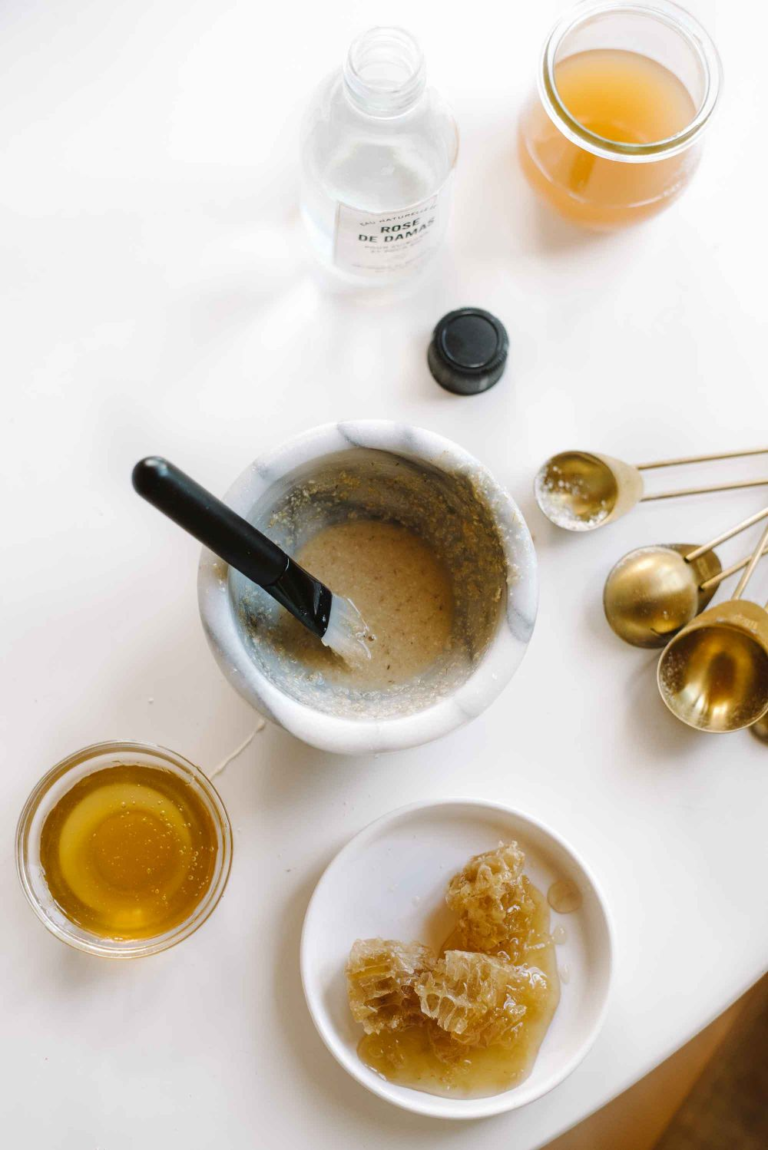
For thousands of years, Ayurveda, the ancient Indian science of life, has offered timeless wisdom on achieving balance in body, mind, and spirit. Among its many treasures are Ayurvedic beauty rituals, holistic practices that nurture skin health from within while enhancing natural radiance. Unlike modern skincare that often focuses on quick fixes, Ayurvedic skincare routines emphasize harmony, nourishment, and inner well-being.
If you’ve ever wondered how queens and women in ancient India maintained such glowing, youthful skin without modern cosmetics, the answer lies in these ancient Indian beauty rituals. In this guide, we’ll explore powerful Ayurvedic remedies, including oil massage (abhyanga), herbal masks (ubtan), nasya therapy, herbal steaming, and dietary rituals together.
What is Ayurveda and What Are Its Benefits for Skin and Body?
Ayurveda, often called the “science of life,” is an ancient Indian system of holistic healing that dates back more than 5,000 years. But don’t let the word “ancient” fool you. Its wisdom feels surprisingly modern once you see how it works. Instead of treating just symptoms, Ayurveda looks at your entire lifestyle, diet, emotions, and daily habits to bring balance to your body, mind, and spirit.
When it comes to beauty, Ayurveda doesn’t separate outer glow from inner health. The skin, after all, is a mirror of what’s happening inside your body. If digestion is sluggish, if stress levels are high, or if your body is filled with toxins, it will eventually show up on your face through dullness, breakouts, or premature aging. Ayurvedic rituals focus on prevention, detoxification, and nourishment so your skin naturally radiates health.
Some of the key benefits of Ayurveda for the skin and body include: deep nourishment, detoxification, stress reduction, anti-aging effects, and holistic balance. In short, Ayurveda doesn’t promise an overnight miracle. Instead, it gives you sustainable rituals that not only make your skin glow but also help you feel more grounded, healthy, and alive in your body.
1. Abhyanga: The Self-Oil Massage for Radiance
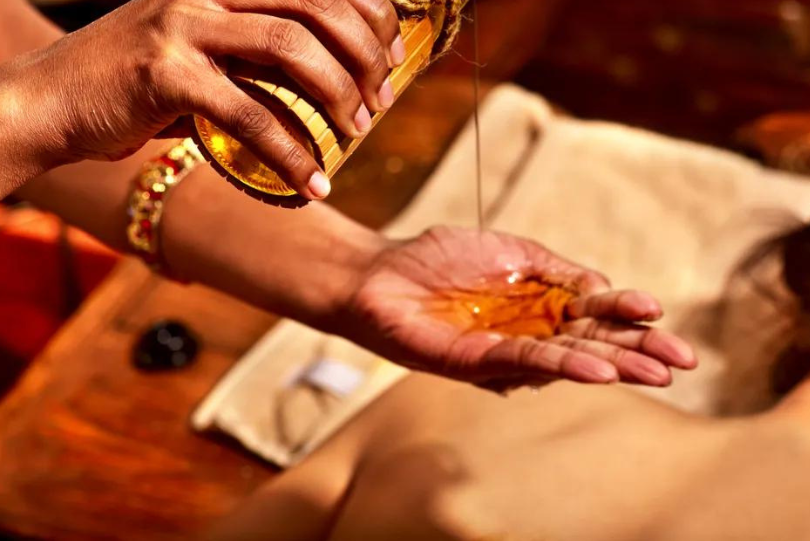
You’ve probably come across the word abhyanga before, and there’s a good reason it keeps popping up. Abhyanga is the very heart of Ayurvedic skincare rituals. At its core, abhyanga is the practice of self-massage with warm, herb-infused oils, and it has been cherished in India for centuries.
The term comes from Sanskrit: “abhi” means towards and “anga” means limbs so it literally translates to “moving love and nourishment towards your body.” Beautiful, isn’t it? But here’s the real magic: in Ayurveda, oil isn’t simply about moisturizing the skin. It’s considered a form of medicine. When massaged into the body, it’s believed to penetrate deep into the tissues, calm the nervous system, support circulation, and bring the doshas (your unique body energies: Vata, Pitta, and Kapha) back into balance.
Benefits of Abhyanga
- Improves blood circulation, bringing more oxygen and nutrients to skin cells.
- Deeply hydrates the skin, preventing dryness and premature aging.
- Removes toxins (ama) by stimulating the lymphatic system.
- Promotes mental calmness and stress relief, which reflects as a radiant complexion.
Best Oils for Abhyanga
- Sesame oil: The most traditional, warming oil that deeply nourishes and strengthens.
- Coconut oil: Cooling and hydrating, perfect for sensitive or overheated (Pitta-type) skin.
- Almond oil: Rich in vitamin E, ideal for anti-aging and dry skin.
A Simple Abhyanga Routine at Home
- Choose your oil: The first and arguably most important step is to select an oil that matches your body’s needs. You can switch oils from one abhyanga session to the next, or get creative by infusing them with herbs, flowers, or even aromatic spices for an extra touch of nourishment and luxury.
- Warm it up: Slightly heat the oil until it’s comfortably warm to touch.
- Massage with love: Use long strokes on the limbs and circular motions on joints and abdomen. Always move towards the heart to support circulation.
- Let it sink in: Leave the oil for at least 15–30 minutes so your body can drink in the nourishment.
- Rinse off: Take a warm shower or herbal steam to gently remove excess oil.
2. Ubtan: Herbal Scrubs and Face Masks for Glowing Skin
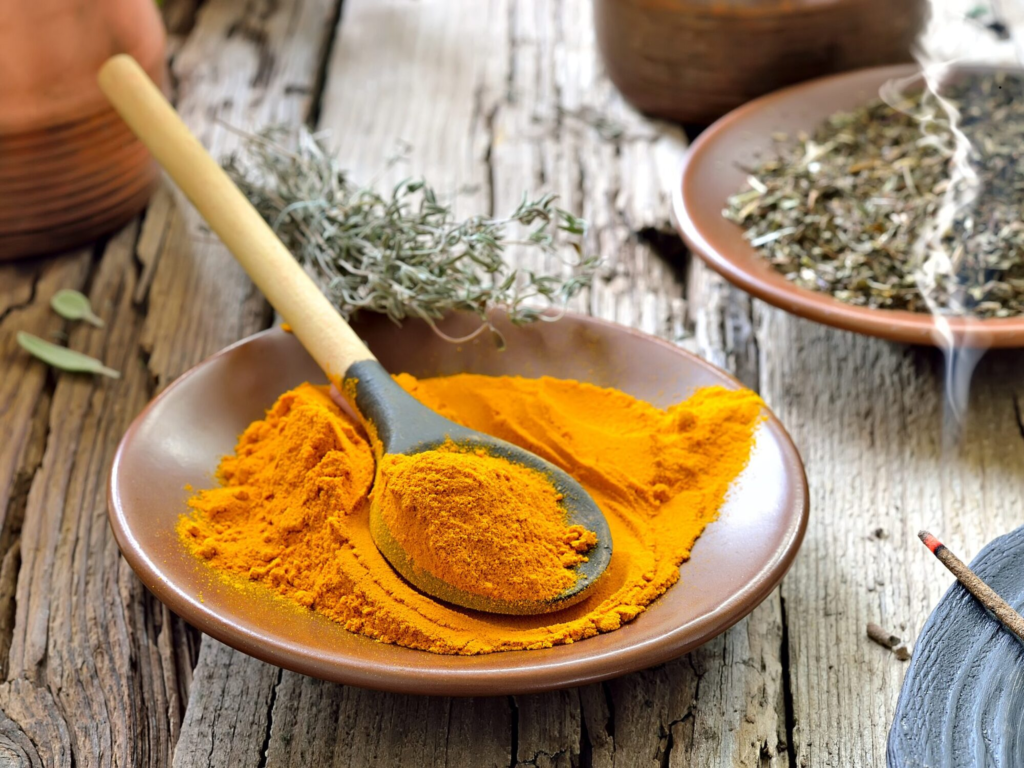
Ubtan is one of Ayurveda’s oldest beauty secrets. It’s a natural, herbal paste made from flours, herbs, and flowers that has been used for centuries to cleanse, brighten, and nourish the skin. Think of it as the ultimate glow-inducing ritual straight from ancient India.
Unlike modern scrubs packed with harsh chemicals, ubtan for glowing skin works gently yet effectively. It exfoliates dead skin cells, removes impurities, and stimulates circulation, leaving your skin soft, smooth, and radiant. Beyond the physical benefits, applying ubtan is also a soothing, meditative practice that connects you to centuries of ancient Indian beauty rituals.
Traditionally, Indian brides have been pampered with ubtan before their wedding, a ritual meant to give them that radiant, pre-ceremony glow. Even today, many brides continue this centuries-old practice to achieve luminous, picture-perfect skin.
Ubtan Recipe for Glowing Skin
Ingredients:
- 2 tbsp chickpea flour – gently exfoliates and cleanses
- 1 tsp turmeric powder – reduces inflammation and brightens skin naturally
- 1 tsp sandalwood powder – cools the skin and evens out tone
- Crushed rose petals or a splash of rosewater – hydrates and soothes
- Milk or yogurt – to bring everything together into a smooth paste
Instructions:
- Mix all the dry ingredients in a small bowl.
- Add milk or yogurt gradually until you have a thick, spreadable paste.
- Apply evenly over your face and body.
- Let it sit for a few minutes until it’s slightly dry.
- Gently scrub in circular motions while rinsing off with lukewarm water.
3. Nasya: Nourishing the Skin Through the Nose
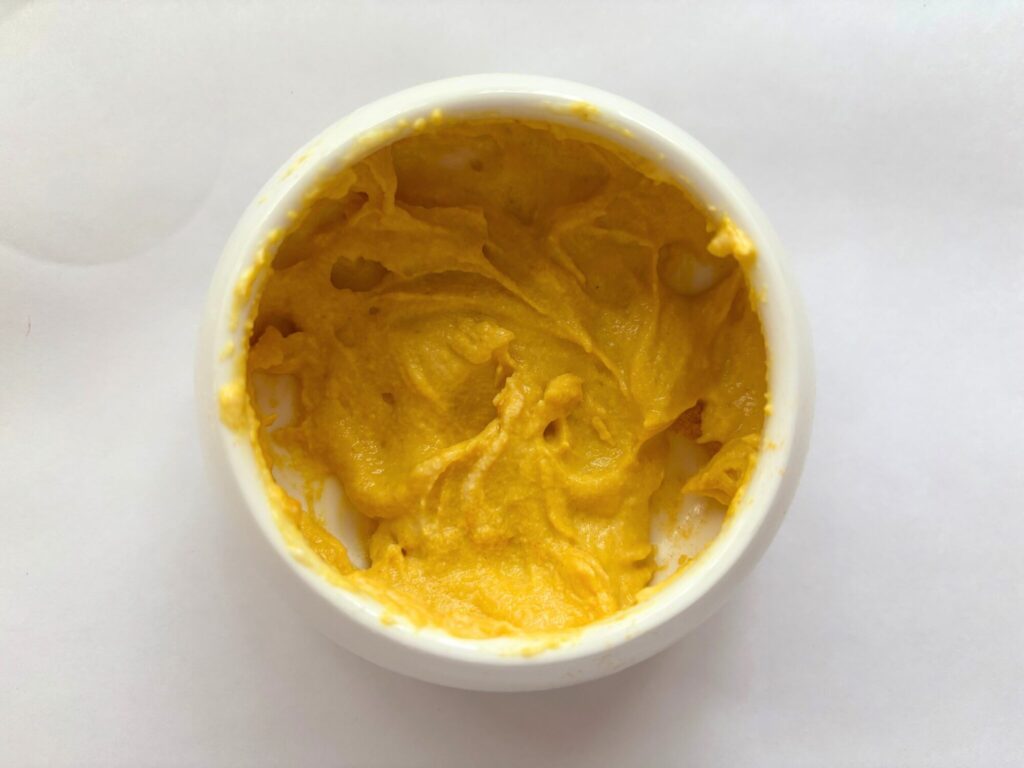
If you’ve never heard of Nasya therapy, don’t worry. It might sound unusual at first, but in Ayurveda, it’s considered one of the most powerful ways to promote balance and wellness. Nasya involves gently applying herbal or medicated oil into the nostrils to support not just respiratory health but also skin and hair from the inside out.
Why does it work for skin? Ayurveda teaches that your face and hair reflect the balance of your doshas (Vata, Pitta, and Kapha). By nourishing the head and sinuses with oil, Nasya can help improve circulation, reduce dryness, calm inflammation, and even reduce stress.
How to Do Nasya Safely at Home
You’ll need:
- 1–2 drops of warm sesame oil or a recommended Ayurvedic oil per nostril
- A small bowl to warm the oil gently
Instructions:
- Warm the oil slightly. Just enough to feel comfortably warm, never hot.
- Lie down comfortably on your back with your head slightly tilted backward.
- Place a tiny amount of oil on your fingertips and gently dab it into your nostrils. Avoid inserting your fingers too deeply.
- Breathe deeply and slowly, letting the oil settle for a few moments.
- Gently blow your nose afterward to remove any excess.
Tips for Safety:
- Always use clean, warm (not hot) oil.
- Start with 1 drop to see how your body responds.
- Avoid if you have sinus infections, cold, or respiratory issues without consulting a professional.
- Pregnant women or people with severe medical conditions should check with their doctor first.
4. Herbal Steam: Cleansing Pores the Ayurvedic Way
Modern spa facials often include steaming but Ayurveda perfected this ritual centuries ago. Known as swedana, this herbal steam therapy purifies skin, opens pores, and allows herbal essences to penetrate deeply.
This is one of my favorite parts of an Ayurvedic skincare routine, mainly because it makes cleansing your face afterward so effortless. Even today, whether you visit a spa or go for a professional skin-clearing session with your dermatologist, steaming is always the first step. But herbal steams? They take it to a whole new level. Herbal steam nourishes your skin, calmes your senses, and turns a simple cleanse into a luxurious ritual.
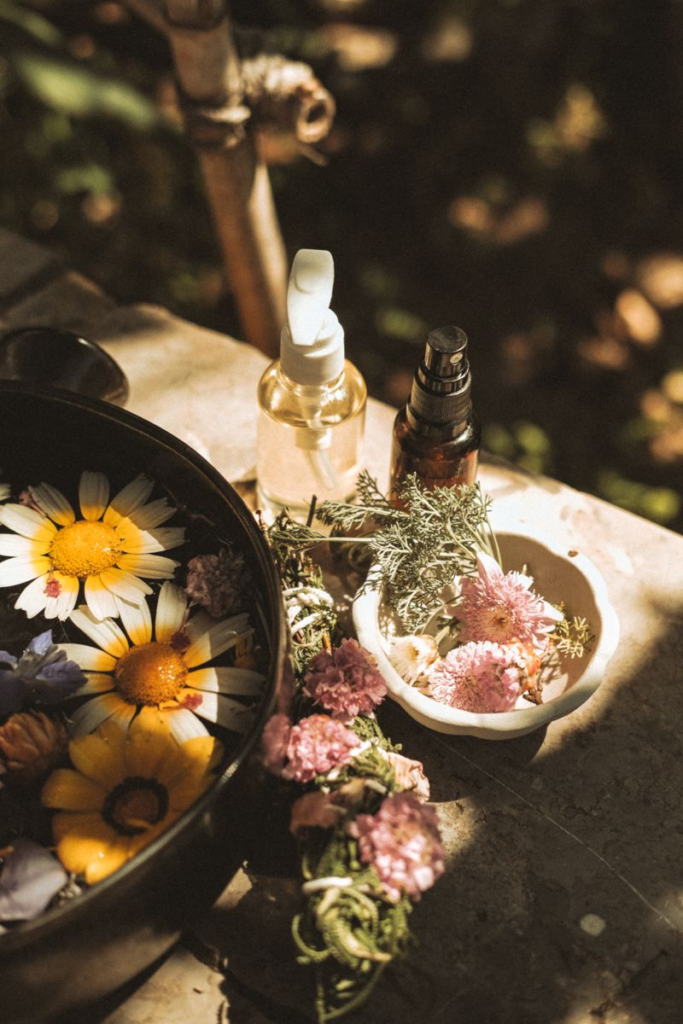
How to Do Herbal Steam at Home?
It’s actually simpler than it sounds! The first step is choosing your herbs. To help you get as close as possible to the authentic Ayurvedic experience, here are some tried-and-true options:
- Neem leaves: Naturally antibacterial, perfect for keeping acne at bay.
- Tulsi (holy basil): Purifies and balances your skin, leaving it refreshed.
- Chamomile flowers: Soothes irritation and calms sensitive skin.
- Rose petals: Hydrates, tones, and fills the air with a gentle, floral fragrance.
How to do it:
- Boil water in a pot and add your chosen herbs.
- Carefully place the pot on a stable surface and drape a towel over your head to trap the steam.
- Lean over the pot, keeping a safe distance, and let the herbal steam bathe your face for 5–10 minutes.
- Follow up with a light abhyanga massage or ubtan to lock in nourishment and maximize the glow.
5. Diet: Eating for Radiance the Ayurvedic Way
You weren’t expecting this, were you? Or maybe you were? Either way, here we are but let’s be real: no Ayurvedic skincare routine is truly complete without considering your diet. What you eat directly shapes your skin’s health and radiance. Ayurveda emphasizes foods that balance your doshas and nourish your body from the inside out.
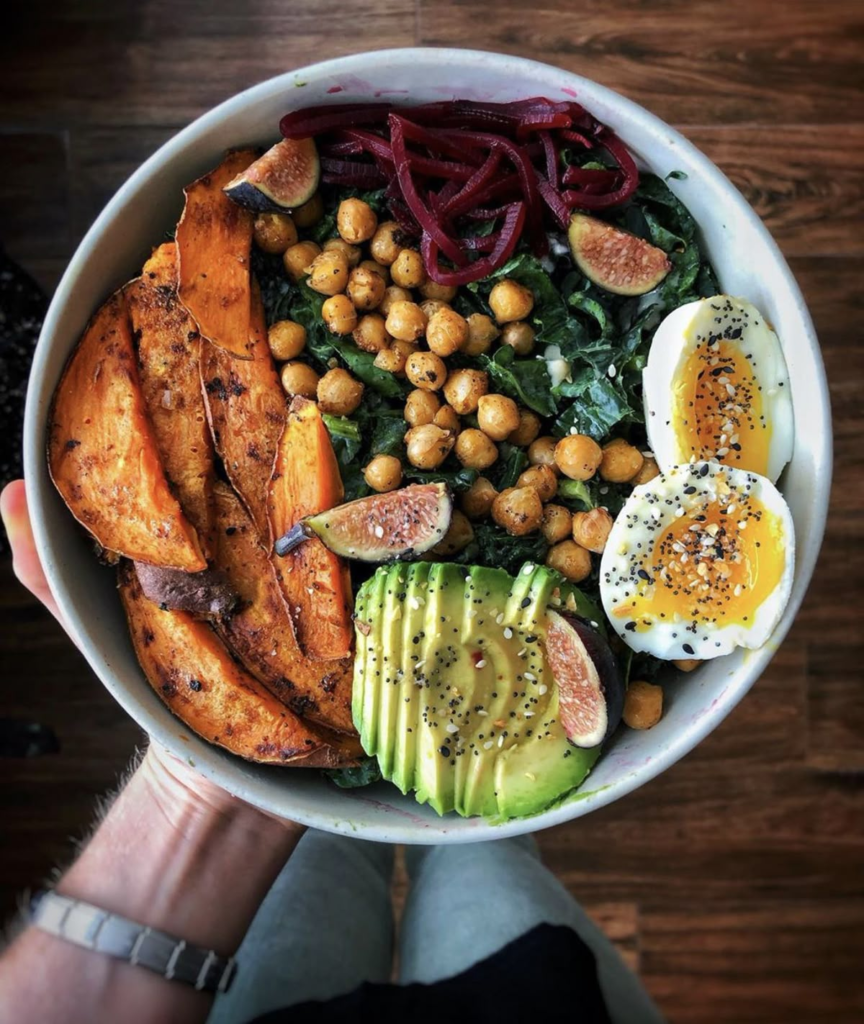
A healthy diet isn’t just a bonus, it’s a cornerstone of Ayurvedic beauty. You simply can’t achieve glowing, balanced skin if your meals are lacking in the right nutrients. So, let’s talk about the foods you can (and should) incorporate into your routine to fully support your Ayurvedic skincare rituals.
- Ghee: Rich in healthy fats, deeply hydrates skin from the inside out.
- Saffron milk: Known as a royal beauty drink in ancient Indian beauty rituals; enhances skin tone and glow.
- Turmeric: Anti-inflammatory, purifies blood, and brightens skin naturally.
- Fresh fruits & vegetables: Especially seasonal and colorful ones to supply antioxidants.
- Cooling foods (cucumber, aloe vera, coriander) for Pitta skin issues like redness and acne.
Try to avoid excessive processed, oily, or fried foods, as they can disturb your doshas and often show up on your skin as breakouts. And don’t forget the simplest beauty secret of all: staying well-hydrated by drinking plenty of water throughout the day.
Putting It All Together: An Ayurvedic Skincare Routine
Now that you know the key Ayurvedic beauty rituals, here’s how to combine them into a simple, effective routine that nurtures your skin and your whole self.
- Start Your Morning with Nasya:
Begin your day by placing 1–2 drops of warm herbal oil into your nostrils. This gentle practice helps balance your doshas, supports healthy skin and hair, and gives you a calm, centered start to the day. - Abhyanga Massage (2–3 Times a Week):
Treat yourself to a full-body warm oil massage with sesame or coconut oil. Not only does it deeply nourish your skin, but it also boosts circulation, relieves stress, and leaves your body feeling rejuvenated from head to toe. - Weekly Exfoliation with Ubtan:
Give your skin a natural glow by using a homemade ubtan mask once a week. The combination of chickpea flour, turmeric, sandalwood, and rose petals gently removes dead skin cells, evens your complexion, and leaves your skin radiant. - Herbal Steam for Deep Cleansing:
Once a week, take 5–10 minutes to steam your face with a pot of boiling water infused with herbs like neem, tulsi, chamomile, or rose petals. This opens pores, detoxifies your skin, and enhances the absorption of oils and masks applied afterward. - Nourish from Within with an Ayurvedic Diet:
Support all your external rituals with a skin-friendly diet rich in fresh fruits and vegetables, healthy fats like ghee, turmeric, saffron milk, and cooling foods such as cucumber and aloe vera. Hydration is key, so drink plenty of water to keep your skin plump and radiant.
By combining these practices, you’re embracing a holistic approach that connects body, mind, and spirit. Over time, this daily and weekly rhythm of rituals encourages a natural, healthy glow that comes from within, giving you beauty that’s both timeless and sustainable.
Final Thoughts of an Archaeologist: Ayurveda Skincare Routine
In a world obsessed with quick-fix beauty products, Ayurvedic beauty rituals remind us that true skin health comes from balance, nourishment, and a little self-love. Whether it’s the soothing touch of an abhyanga massage, the golden radiance of ubtan, the detoxifying warmth of herbal steam, or the nourishing richness of saffron milk, these Ayurveda self-care rituals are timeless acts of wellness and they still work wonders today.
If you’re drawn to ancient, tried-and-true skincare practices, embracing an Ayurvedic skincare routine can be transformative. Pair it with your DIY products or personal skincare projects, and you’ll notice an even greater impact. While it’s tempting to use it as a quick prep for a special event, remember: Ayurveda shines brightest with consistency. Commit to these rituals for a few weeks, maybe about a month and you’ll start seeing the glow, balance, and vitality that comes from caring for your skin from the inside out.